
 Online Shop
 English
 China - 简体中文
 Global - English
 Brazil - Português
 Netherlands - Dutch
 Italy - Italiano
 Germany - Deutsch
 Spain - Español
 France - Français
 Vietnam - Tiếng Việt
 Poland - Polski
 Australia - English
 Japan - 日本語
Zhuo Yiran — Senior After-Sales Service Engineer, Energy Storage Systems

600–1000W Single-Phase Microinverter for Safer, Smarter, Module-Level Solar Generation
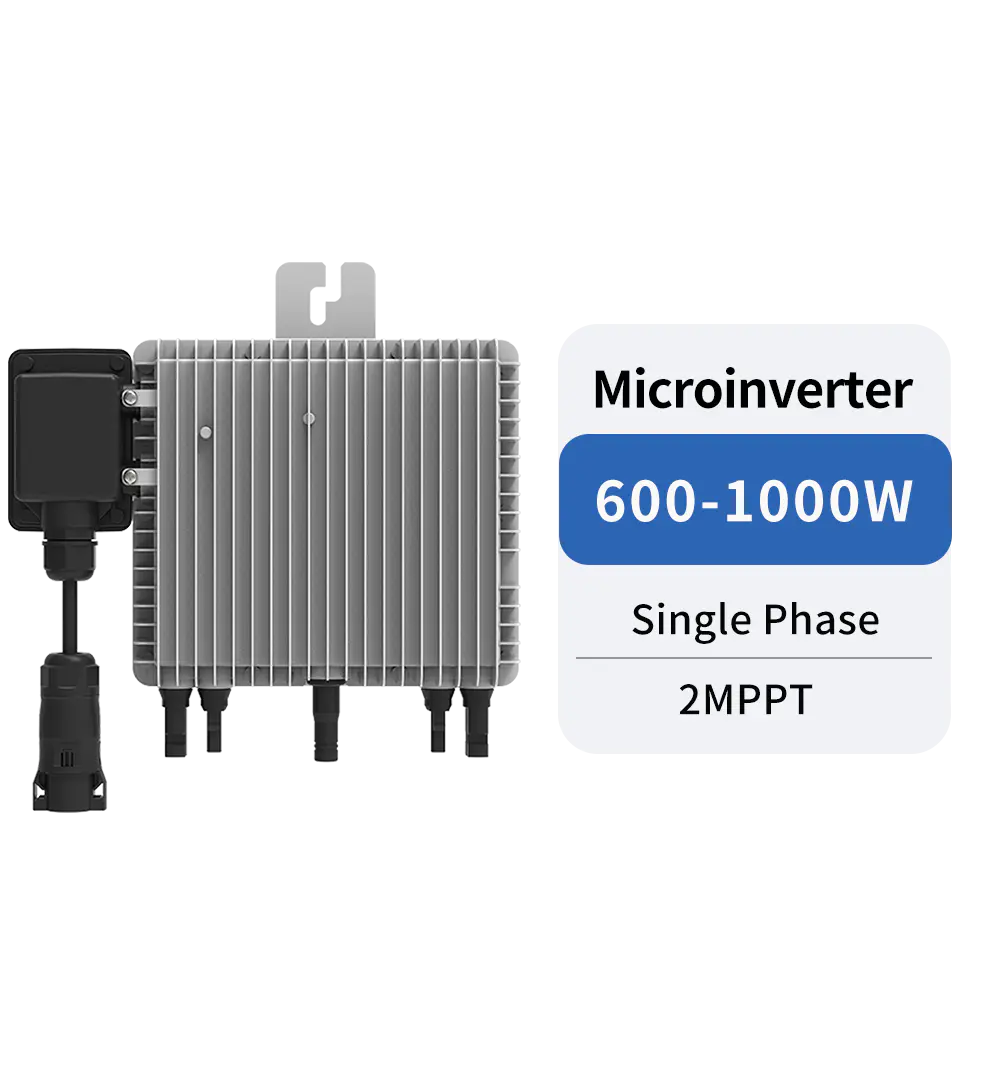
Modern residential solar is no longer defined only by how many panels can be placed on a roof. It is increasingly defined by how safely, intelligently, and efficiently each module can convert sunlight into usable grid-compatible electricity. The SUN-M60/80/100G4-EU-Q0 microinverter series is designed for this new generation of distributed photovoltaic systems, especially compact residential arrays, balcony photovoltaic systems, and small single-phase grid-tied installations where fast installation, high safety, module-level control, and dependable long-term operation matter as much as peak power.
This product family covers three rated AC output levels: 600 W, 800 W, and 1000 W. Each model uses two maximum power point trackers, supports module-level monitoring, integrates WiFi communication, and provides a rugged IP67 protection rating. It is engineered for single-phase grid connection and quick-plug PV applications, making it particularly suitable for simplified solar deployment in residential environments. With rapid shutdown functionality, less than 100 ms AC fast discharge, complete NS protection with self-check capability, and a 15-year warranty backed by a 25-year design lifetime, the series positions itself as a premium microinverter solution for customers who prioritize safety, efficiency, serviceability, and energy visibility.
Product Positioning: A Compact Microinverter for Practical Solar Growth
The SUN-M60/80/100G4-EU-Q0 series belongs to the microinverter category, a product type that converts DC electricity from PV modules into AC electricity at the module or small-module-group level. Compared with traditional string inverter architecture, a microinverter approach can improve flexibility in system design because each connected module can be optimized more independently. This matters in real-world environments, where shading, orientation differences, module mismatch, dirt accumulation, and uneven aging can reduce the output of a whole string if the system depends on one central MPPT channel.
With two MPP trackers and one PV string per tracker, this product series allows two PV modules to operate with independent power point tracking. For balcony PV systems, small rooftops, garages, terraces, and residential retrofit projects, this is a major advantage. Installers can pair two modules without needing a large inverter cabinet, and users can monitor performance at the module level. The design makes solar generation more accessible for users who may not have a large roof area or who prefer a modular path to energy independence.
The three model options are tailored to different PV input and AC output needs. The 600 W model supports 210–420 W maximum PV input power for two pieces, the 800 W model supports 210–560 W for two pieces, and the 1000 W model supports 210–700 W for two pieces. This range allows system designers to select a suitable inverter according to module size, installation rules, expected generation, and grid requirements. Instead of forcing every project into a single power class, the series offers a scalable microinverter platform.
Core Technical Characteristics
The series is built around a practical combination of electrical performance, environmental durability, communication capability, and grid-compliance features. It operates with a maximum PV input voltage of 60 V, a start-up voltage of 20 V, and an MPPT voltage range of 25–55 V. The rated PV input voltage is 42.5 V, while the maximum operating PV input current is 13 A + 13 A and the maximum input short-circuit current is 19.5 A + 19.5 A. These figures show that the product is designed for compatibility with modern PV modules used in compact residential and balcony applications.
On the AC side, the rated output powers are 600 W, 800 W, and 1000 W depending on the model. The grid connection form is L/N/PE, and the rated output voltage is 220/230 V with a range of 0.85Un to 1.1Un. The rated grid frequency supports 50 Hz and 60 Hz networks, with operating ranges of 45–55 Hz and 55–65 Hz respectively. This flexibility is important for global deployment, especially for a manufacturer whose products are sold across many countries and regions.
The product reaches a maximum efficiency of 96.5%, a Euro efficiency of 96.0%, and MPPT efficiency above 99%. These numbers are particularly meaningful in microinverter applications because conversion efficiency and tracking precision directly influence daily energy harvest. A compact inverter that can respond accurately to changing irradiance helps users capture more usable energy over the life of the PV system.
| Specification Area | SUN-M60G4-EU-Q0 | SUN-M80G4-EU-Q0 | SUN-M100G4-EU-Q0 |
| Rated AC Output Active Power | 600 W | 800 W | 1000 W |
| Maximum AC Output Apparent Power | 600 VA | 800 VA | 1000 VA |
| Maximum PV Input Power | 210–420 W, 2 pieces | 210–560 W, 2 pieces | 210–700 W, 2 pieces |
| Number of MPP Trackers | 2 | 2 | 2 |
| MPPT Voltage Range | 25–55 V | 25–55 V | 25–55 V |
| Maximum PV Input Voltage | 60 V | 60 V | 60 V |
| Maximum Operating PV Input Current | 13 A + 13 A | 13 A + 13 A | 13 A + 13 A |
| Communication Interface | WiFi | WiFi | WiFi |
| Ingress Protection Rating | IP67 | IP67 | IP67 |
| Maximum Efficiency | 96.5% | 96.5% | 96.5% |
| Warranty | 15 years | 15 years | 15 years |
Two MPPT Channels: A Clear Advantage in Real Installations
One of the strongest advantages of the series is its two independent MPP trackers. In laboratory conditions, PV modules may look identical, but residential environments rarely offer ideal symmetry. A balcony rail may shade one module earlier in the morning. One rooftop module may face a slightly different direction. A nearby chimney, antenna, tree branch, or neighboring building may affect only part of an array. If modules are forced to operate as a single electrical string, the weaker module can reduce the performance of the stronger one. Two MPPT channels reduce this limitation by allowing each connected module to seek its own optimum operating point.
Compared with lower-cost microinverters that offer limited tracking granularity, this dual-MPPT architecture provides better energy management under uneven conditions. It also makes installation more forgiving. Installers can place modules where space is available without requiring perfect uniformity. Homeowners gain more confidence that a small system can still perform well even if the site is not ideal. This is especially valuable for balcony PV systems, where module orientation and shading are often constrained by building geometry.
In addition, two MPPT channels support module-level performance visibility. When paired with monitoring functions, users and service teams can identify whether one module is underperforming. Instead of troubleshooting the entire system blindly, they can locate performance differences more quickly. This helps reduce maintenance time, supports better long-term energy yield, and improves the ownership experience.
Module-Level Monitoring and Integrated WiFi
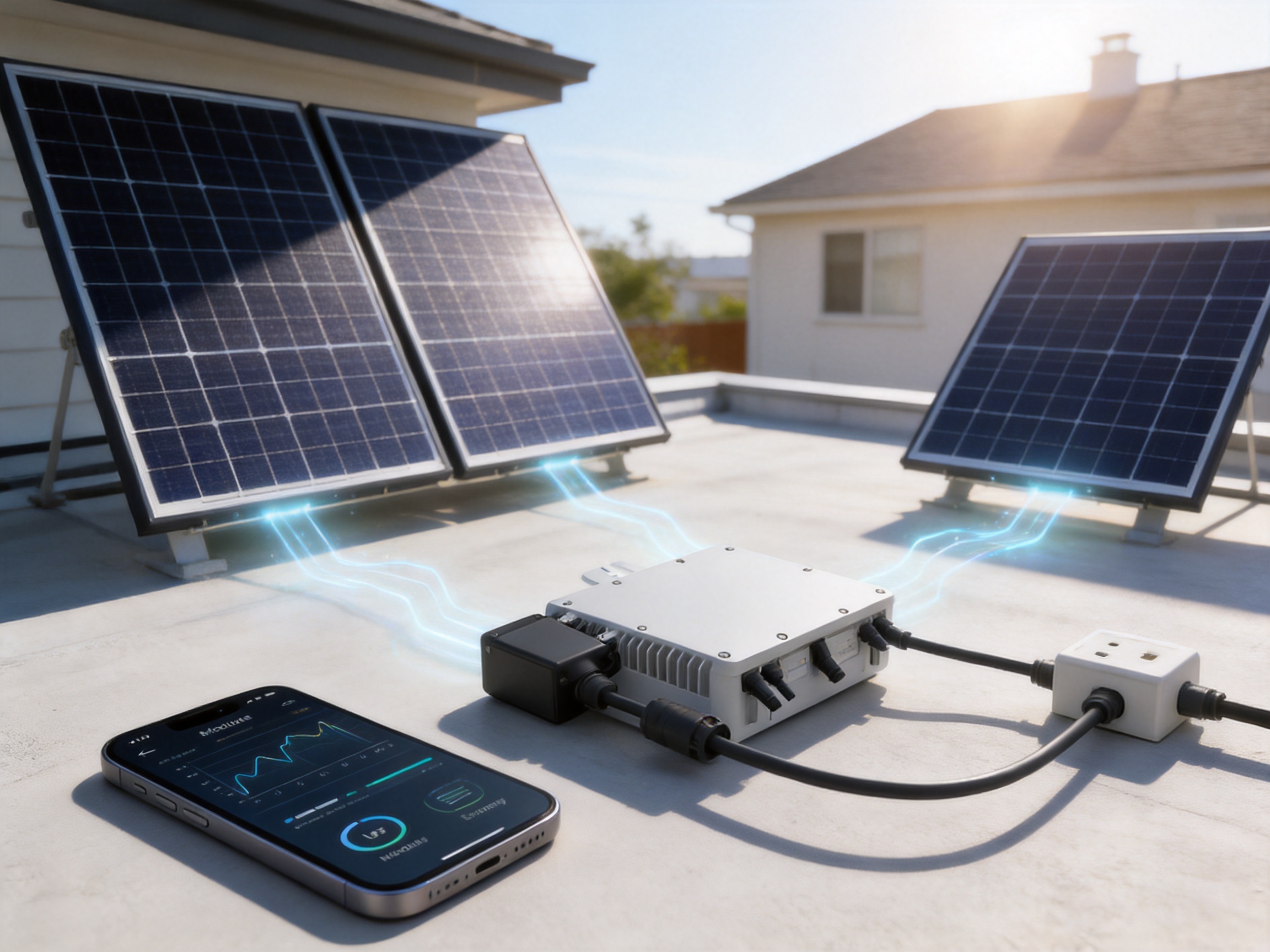
Monitoring is no longer an optional feature in modern solar. Users want to know whether their system is producing energy, how much energy it generates daily, and whether any abnormal condition requires attention. The series integrates WiFi communication, reducing the need for additional communication accessories in many deployments. This supports easier installation, faster commissioning, and convenient data access.
Module-level monitoring gives users a clearer understanding of system behavior. In a conventional string inverter system, total output may reveal that something is wrong, but it may not show which module is affected. With module-level monitoring, performance differences can become visible earlier. For residential users, this creates transparency. For installers and service partners, it improves troubleshooting efficiency. For asset owners managing many small systems, it supports more scalable maintenance practices.
Integrated WiFi is also an advantage over solutions requiring separate gateways or external communication modules. Fewer accessories can mean fewer installation steps, fewer potential compatibility issues, and a cleaner overall system design. In balcony solar, where simplicity is essential, this integrated communication approach can make the difference between a product that is technically good and a product that is truly user-friendly.
Safety-Oriented Design for Residential Environments
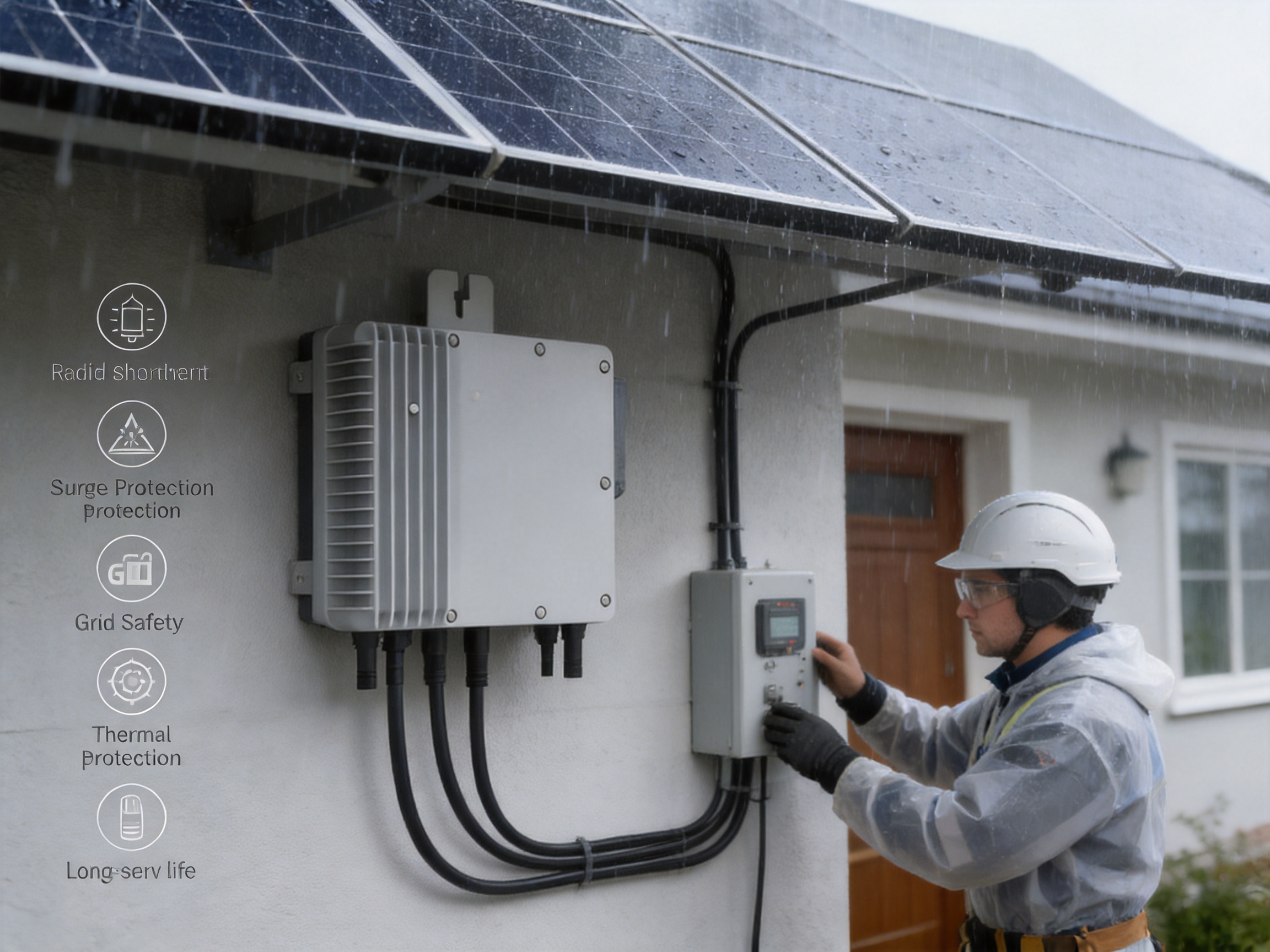
Residential PV equipment must be safe not only during normal operation but also during installation, maintenance, grid events, and emergency conditions. The series includes rapid shutdown functionality and less than 100 ms AC fast discharge. This response is faster than the referenced requirement of less than 200 ms under DIN VDE V 0126-95, providing an additional safety margin for human protection. For installers, firefighters, maintenance personnel, and homeowners, rapid discharge performance is a critical feature because it helps reduce electrical risk when the system is shut down or disconnected.
The product also includes complete NS protection with a self-check function. In grid-connected solar applications, network and system protection helps ensure that the inverter disconnects appropriately under abnormal grid conditions. Self-check functionality strengthens reliability by verifying protective operation rather than relying only on passive assumptions. This matters in distributed generation networks, where many small inverters may be connected across neighborhoods and must behave predictably.
Equipment protection features include DC reverse polarity protection, AC output overcurrent protection, AC output overvoltage protection, AC output short-circuit protection, thermal protection, insulation impedance detection, anti-islanding protection, and Type II AC surge protection. Together, these functions create a layered safety structure. A product competing only on low price may omit or simplify protection mechanisms, but a residential microinverter installed close to living spaces must be engineered for long-term secure operation.
External Relay Benefits: Lower Temperature, Longer Life, Easier Maintenance
The product highlights an external relay advantage characterized by low temperature, long life, and easier maintenance. Relay design is an important but often overlooked part of inverter reliability. Components that operate at lower temperatures generally experience less thermal stress, which can contribute to longer service life. Easier maintenance also matters because microinverters are typically installed near PV modules, sometimes in locations that are less convenient than indoor electrical rooms. A design that considers maintainability reduces lifecycle cost and improves practical reliability.
This advantage is particularly relevant when comparing the series with competing microinverters that prioritize compactness without equal attention to serviceability and thermal behavior. A very small form factor is not useful if heat concentration shortens component life. The SUN-M60/80/100G4-EU-Q0 series balances compact cabinet dimensions with natural cooling, IP67 protection, and long design lifetime. It is not simply a small inverter; it is a compact system designed to survive outdoor operating conditions.
IP67 Protection for Harsh Outdoor Conditions
PV equipment is exposed to heat, cold, rain, dust, humidity, and daily temperature cycling. The IP67 rating means the product is designed with strong ingress protection, making it suitable for outdoor environments associated with module-level installation. The permissible ambient humidity range of 0–100% reinforces its suitability for varied climates. Its operating temperature range is -40°C to +65°C, with derating above 45°C. This wide thermal operating range gives installers flexibility across regions where winter cold, summer heat, and humid conditions may all occur.
Compared with competitors that offer lower ingress protection, IP67 provides a stronger durability argument. Microinverters are often mounted under PV modules, where they may be exposed to wind-driven rain, dust, and condensation. A robust enclosure helps protect internal electronics and reduces the likelihood of environmental failure. For residential customers who expect their solar system to operate for decades, enclosure protection is not a minor detail; it is a central reliability feature.
Efficiency and Energy Harvest
The series reaches a maximum efficiency of 96.5% and a Euro efficiency of 96.0%. In microinverter systems, high conversion efficiency means more of the module’s DC power becomes usable AC power. However, efficiency must be evaluated together with MPPT performance, thermal behavior, and system architecture. The product’s MPPT efficiency above 99% indicates that the inverter can accurately track the optimum operating point of connected modules, helping maintain strong output under changing sunlight conditions.
In real-world PV systems, sunlight is dynamic. Passing clouds, partial shade, module temperature changes, and seasonal irradiance shifts can all influence the ideal operating point. A fast and accurate MPPT system helps capture energy that might otherwise be lost. Over 15 to 25 years, small daily improvements can become meaningful cumulative gains. This is where a premium microinverter can outperform a simpler low-cost device: not only through rated efficiency, but through consistent tracking quality over time.
Single-Phase Grid Compatibility and Practical Branch Design
The product is designed for single-phase connection with L/N/PE grid form. It supports rated output voltage of 220/230 V and grid frequency operation at both 50 Hz and 60 Hz. The maximum number of units per branch varies by model: 8 units for the 600 W model, 6 units for the 800 W model, and 5 units for the 1000 W model. This provides installers with clear planning parameters for small distributed systems.
The power factor adjustment range of 0.9 leading to 0.9 lagging supports grid interaction requirements, while total current harmonic distortion below 3% demonstrates attention to power quality. DC injection current is below 0.5% In. These details are important because high-quality grid-connected equipment must not only generate power; it must generate power cleanly and in compliance with grid expectations.
Grid regulation references include IEC 61727, IEC 62116, CEI 0-21, EN 50549, NRS 097, RD 140, UNE 217002, G98, and VDE-AR-N 4105. Safety and EMC standards include IEC/EN 61000-6-1/2/3/4, IEC/EN 62109-1, and IEC/EN 62109-2. For customers and installers, these references support confidence that the product has been developed for regulated markets where electrical safety, electromagnetic compatibility, and grid behavior are carefully evaluated.
Ideal for Quick-Plug Balcony PV Systems
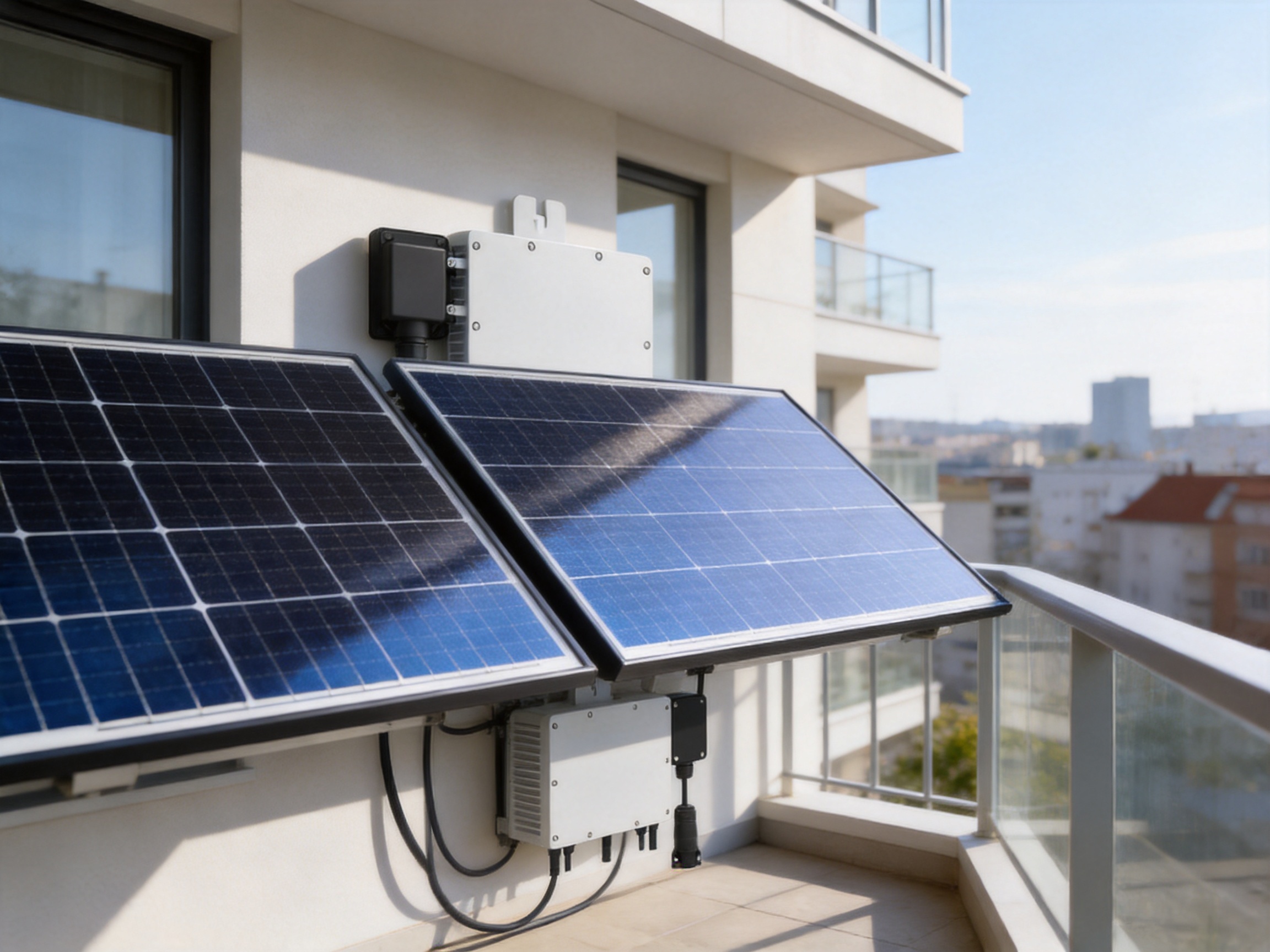
Balcony PV has become an important segment of residential solar because it allows apartment residents and urban households to participate in renewable energy generation without owning a large rooftop. These systems require compact hardware, simplified installation, reliable protection, and user-friendly monitoring. The SUN-M60/80/100G4-EU-Q0 series is especially suited for quick-plug balcony PV applications because it combines low-voltage PV input, integrated WiFi, two MPPT channels, IP67 protection, and compact dimensions.
The cabinet size is 280.5 mm by 190 mm by 40 mm, excluding connectors and brackets, and the unit weighs 3 kg. This compact and lightweight form factor simplifies handling during installation. Natural cooling reduces noise and eliminates the need for fan maintenance, while the stated noise level of no more than 25 dB supports comfortable residential use. For balcony and living-space-adjacent installations, quiet operation is more than a convenience; it is part of user acceptance.
Competitors may offer balcony inverters with similar output levels, but not all provide the same combination of two MPPT channels, integrated monitoring, rapid shutdown, IP67 durability, and long warranty coverage. A balcony PV system must be simple, but it must not be simplistic. The series addresses this balance by making installation easier while preserving key safety and performance features.
Comparison with Typical Competing Solutions
The microinverter market includes products that compete on price, size, efficiency, monitoring, warranty, or certification. The SUN-M60/80/100G4-EU-Q0 series stands out because it combines several advantages in one platform rather than relying on a single selling point. Its two MPPT channels provide stronger module-level optimization than products with less flexible tracking. Its integrated WiFi reduces dependence on external communication devices. Its rapid shutdown and less than 100 ms AC discharge provide a high safety margin. Its IP67 rating supports outdoor reliability. Its 15-year warranty and 25-year design lifetime strengthen lifecycle value.
For users comparing products, the cheapest inverter is not always the lowest-cost system over time. If a low-cost microinverter lacks robust monitoring, diagnosing performance problems can become expensive. If it lacks strong enclosure protection, environmental exposure may shorten service life. If it provides limited safety functions, it may not satisfy stricter residential or grid requirements. If its MPPT tracking is less capable, daily energy harvest may suffer. The series competes by addressing the complete ownership experience: installation, operation, monitoring, protection, maintenance, and longevity.
Another important advantage is the company’s broad product ecosystem. Ningbo Deye Inverter Technology Co., Ltd. offers string inverters, hybrid inverters, off-grid inverters, microinverters, energy storage systems, EV chargers, PV optimizers, accessories, and monitoring products. This wide portfolio indicates deep experience in power electronics, grid interaction, energy management, and solar system integration. A microinverter from a company with a broad inverter and ESS background benefits from accumulated knowledge across different use cases, power levels, and regulatory environments.
Manufacturing Strength and Technology Foundation
Ningbo Deye Inverter Technology Co., Ltd. is part of a technology manufacturing enterprise founded in 2000, integrating research and development, design, production, sales, and service. The broader company entered the Shanghai Stock Exchange in April 2021, supporting accelerated growth and expanded industrial capability. Its inverter and energy storage businesses have developed strong R&D capacity and scale advantages, serving residential, commercial, industrial, and utility applications. Products are sold in more than 140 countries and regions, which requires manufacturing consistency, international compliance awareness, and mature service systems.
Advanced manufacturing strength is crucial for microinverters because the product must operate outdoors for many years while managing high-frequency power conversion, grid synchronization, thermal stress, and communication functions. A capable manufacturer does more than assemble components. It designs for manufacturability, controls component selection, validates electrical performance, applies systematic testing, and manages quality throughout production. The company’s integrated R&D and production model helps shorten feedback loops between design engineering, process engineering, quality teams, and field service experience.
In a mature inverter production environment, advanced processes typically include precision electronic assembly, controlled soldering quality, automated or semi-automated inspection, firmware programming, electrical safety testing, functional verification, aging or burn-in evaluation, and packaging controls. For IP67 products, enclosure sealing and connector reliability are also central process concerns. Every microinverter must not only pass a specification sheet; it must repeatedly meet performance and safety expectations under mass-production conditions.
The company’s extensive inverter range from small microinverters to high-power string inverters and energy storage inverters also supports platform learning. Knowledge gained from thermal management in larger systems can inform compact microinverter design. Experience with grid standards can improve compliance engineering. Monitoring ecosystem development can enhance user data visibility. Energy storage work can deepen understanding of bidirectional energy systems and future-ready distributed energy architecture. This broad competence creates a competitive foundation that smaller or single-product suppliers may struggle to match.
Design for Long-Term Reliability
Long-term reliability depends on electrical design, component quality, thermal management, enclosure protection, firmware stability, and production discipline. The series emphasizes a 25-year design lifetime and a 15-year warranty, reflecting confidence in the platform. Natural cooling eliminates fan-related wear and reduces mechanical complexity. Isolated inverter topology supports electrical safety design. The product’s operating temperature range, humidity tolerance, and IP67 rating contribute to reliable deployment in demanding environments.
Thermal protection is especially important because heat is one of the main stress factors for power electronics. The product specifies derating above 45°C, which is a responsible design choice. Instead of allowing uncontrolled overheating, derating helps protect internal components under high-temperature conditions. Combined with external relay advantages related to low temperature and long life, the product demonstrates a lifecycle-focused approach.
Warranty length is another area where the series compares favorably with many competing solutions. A 15-year warranty is meaningful in the residential solar market because payback periods and user expectations often extend well beyond the first few years. Customers need assurance that the inverter will support energy generation across a long period, not merely perform well at commissioning.
Installation and Service Advantages
For installers, time on site affects project profitability. Products that are easier to mount, connect, commission, and verify can reduce labor burden and improve customer satisfaction. The compact 3 kg design and quick-plug suitability make the series convenient for small residential deployments. Integrated WiFi simplifies communication setup, and module-level monitoring improves verification after installation. With two MPPT inputs, installers can connect two modules and commission a balanced small system without complex string calculations.
Serviceability is also improved by monitoring and protection features. If a module, connector, or environmental condition affects performance, module-level data can help identify the issue. Safety protections reduce the risk of damage under abnormal conditions. Self-checking NS protection supports confidence in grid protection behavior. The external relay design advantage further supports easier maintenance. These features help installers reduce repeat visits and improve long-term customer relationships.
System Applications
The series is suitable for several application scenarios. In balcony PV systems, it enables compact two-module generation with integrated monitoring and safety features. In small rooftop systems, it provides module-level optimization where roof shapes, vents, chimneys, or partial shading make string design difficult. In garages, sheds, and auxiliary buildings, it offers a simple way to add distributed solar generation without installing a large central inverter. In residential retrofit projects, it allows incremental solar expansion because microinverter-based systems can be expanded in smaller steps.
The 600 W model is well suited for entry-level balcony or compact two-module systems where local rules or user needs favor modest output. The 800 W model provides a middle option for stronger generation while maintaining branch flexibility. The 1000 W model supports higher-power modules and greater output for users seeking more production from a compact system. This model range gives distributors, installers, and end users more choice without moving to a completely different platform.
Energy Transparency and User Confidence
Solar users increasingly expect the same level of visibility from energy equipment that they receive from smart home devices. They want to see production trends, confirm that the system is operating, and understand how weather affects output. Integrated WiFi and module-level monitoring support this expectation. Energy transparency can increase user engagement and encourage better energy habits, such as shifting loads to daytime generation periods.
Monitoring also strengthens trust. When users can see that their PV modules are producing energy, the system becomes tangible. If production drops, the data can guide action rather than uncertainty. For distributed solar adoption, this confidence is essential. A product that helps users understand their energy system can accelerate acceptance of renewable generation in everyday life.
Power Quality and Grid Responsibility
Distributed solar must support the grid, not disrupt it. The product’s low total current harmonic distortion below 3%, power factor adjustment range, anti-islanding protection, overvoltage protection, overcurrent protection, and grid regulation alignment all support responsible grid integration. As more homes add PV, the quality of each inverter matters. A neighborhood with many small inverters requires predictable behavior during voltage fluctuations, frequency deviations, and grid outages.
This is an area where reputable manufacturing and certification awareness provide a significant advantage over unproven alternatives. Grid-connected inverters are not simple household electronics. They are power conversion devices that interact continuously with public electrical infrastructure. Choosing a product designed around recognized standards helps protect users, installers, utilities, and the broader energy system.
Why This Microinverter Series Is a Strong Choice
The SUN-M60/80/100G4-EU-Q0 series is compelling because it aligns with the most important trends in residential solar: smaller distributed systems, balcony PV growth, module-level optimization, safer shutdown behavior, integrated digital monitoring, and long-term outdoor reliability. It is not aimed only at maximizing headline wattage. Instead, it focuses on making each watt safer, smarter, and easier to manage.
Its advantages over many competitors can be summarized in several points. First, two MPPT channels improve energy harvest under non-ideal conditions. Second, integrated WiFi simplifies monitoring and reduces accessory dependence. Third, rapid shutdown and less than 100 ms AC discharge provide a high level of human-safety support. Fourth, IP67 protection and broad temperature tolerance support outdoor durability. Fifth, the external relay advantage supports lower temperature, longer life, and easier maintenance. Sixth, the 15-year warranty and 25-year design lifetime enhance lifecycle value. Seventh, the company’s broad manufacturing and R&D base provides confidence in quality, compliance, and long-term support.
For distributors, the series offers a product that addresses a growing market segment with clear technical differentiators. For installers, it offers a compact and service-friendly device that can reduce complexity. For homeowners, it offers safer solar generation with visible performance data. For apartment residents exploring balcony PV, it offers a practical path into renewable energy. For the broader grid, it contributes clean, controlled, standards-aware distributed generation.
Q&A Section
What type of product is the SUN-M60/80/100G4-EU-Q0 series?
It is a single-phase microinverter series for grid-connected photovoltaic systems. It converts DC power from PV modules into AC power and is especially suitable for compact residential, balcony, and quick-plug PV applications.
How many models are included in the series?
The series includes three output levels: 600 W, 800 W, and 1000 W. These correspond to the SUN-M60G4-EU-Q0, SUN-M80G4-EU-Q0, and SUN-M100G4-EU-Q0 models.
Why are two MPPT channels important?
Two MPPT channels allow two connected PV modules to be optimized independently. This helps improve energy harvest when modules experience different shading, orientation, temperature, or performance conditions.
Is this product suitable for balcony PV systems?
Yes. The compact size, 3 kg weight, quick-plug suitability, integrated WiFi, two MPPT channels, and IP67 protection make it well suited for balcony PV and other small residential installations.
What safety features does the product provide?
The product includes rapid shutdown, less than 100 ms AC fast discharge, complete NS protection with self-check function, anti-islanding protection, DC reverse polarity protection, AC overcurrent protection, AC overvoltage protection, AC short-circuit protection, thermal protection, insulation impedance detection, and Type II AC surge protection.
How efficient is the microinverter?
The maximum efficiency is 96.5%, the Euro efficiency is 96.0%, and the MPPT efficiency is above 99%. These values support strong real-world energy conversion and accurate power point tracking.
Does it include communication capability?
Yes. The product includes integrated WiFi communication, supporting easier monitoring and commissioning without unnecessary communication complexity.
What is the protection rating?
The product has an IP67 ingress protection rating, making it suitable for outdoor installation conditions where dust, moisture, and weather resistance are important.
What warranty is provided?
The product provides a 15-year warranty and is designed for a 25-year lifetime, supporting long-term residential solar investment.
What makes the manufacturer competitive?
Ningbo Deye Inverter Technology Co., Ltd. has broad experience in inverter and energy storage technologies, including microinverters, string inverters, hybrid inverters, off-grid inverters, ESS products, monitoring systems, and EV charging solutions. Its integrated R&D, design, production, sales, and service capabilities support product reliability and international market deployment.
Conclusion
The SUN-M60/80/100G4-EU-Q0 microinverter series represents a practical and advanced answer to the needs of modern small-scale solar generation. It combines 600–1000 W single-phase output options with two MPPT channels, module-level monitoring, integrated WiFi, rapid shutdown, IP67 protection, high efficiency, and strong safety functions. Its compact format makes it especially attractive for balcony PV and residential installations, while its technical depth makes it more capable than basic low-cost alternatives.
In an increasingly competitive microinverter market, the series differentiates itself through balance. It balances power and compactness, simplicity and intelligence, safety and performance, affordability and lifecycle value. Backed by a manufacturer with extensive inverter and ESS experience, it is positioned not merely as a component but as part of a broader solar energy ecosystem. For users seeking safer, smarter, and more reliable module-level solar conversion, this microinverter series is a strong and future-ready choice.
References
Product datasheet for SUN-M60/80/100G4-EU-Q0 Micro Inverter, 600–1000 W, Single Phase, 2 MPPT.
Product manual for SUN-M60/100G4-EU-Q0 Micro Inverter series.
IEC 61727: Photovoltaic systems characteristics of the utility interface.
IEC 62116: Utility-interconnected photovoltaic inverters test procedure of islanding prevention measures.
IEC/EN 62109-1 and IEC/EN 62109-2: Safety of power converters for use in photovoltaic power systems.
EN 50549: Requirements for generating plants to be connected in parallel with distribution networks.
DIN VDE V 0126-95: Requirements related to PV safety and discharge behavior.
Product: SUN-M60/80/100G4-EU-Q0
PREV:Micro Hybrid Energy Storage for Flexible Solar Independence
NEXT:High-Efficiency Low-Voltage Three-Phase String Inverter for Commercial Solar PV Systems
Share
Product recommendations
news recommendations
-
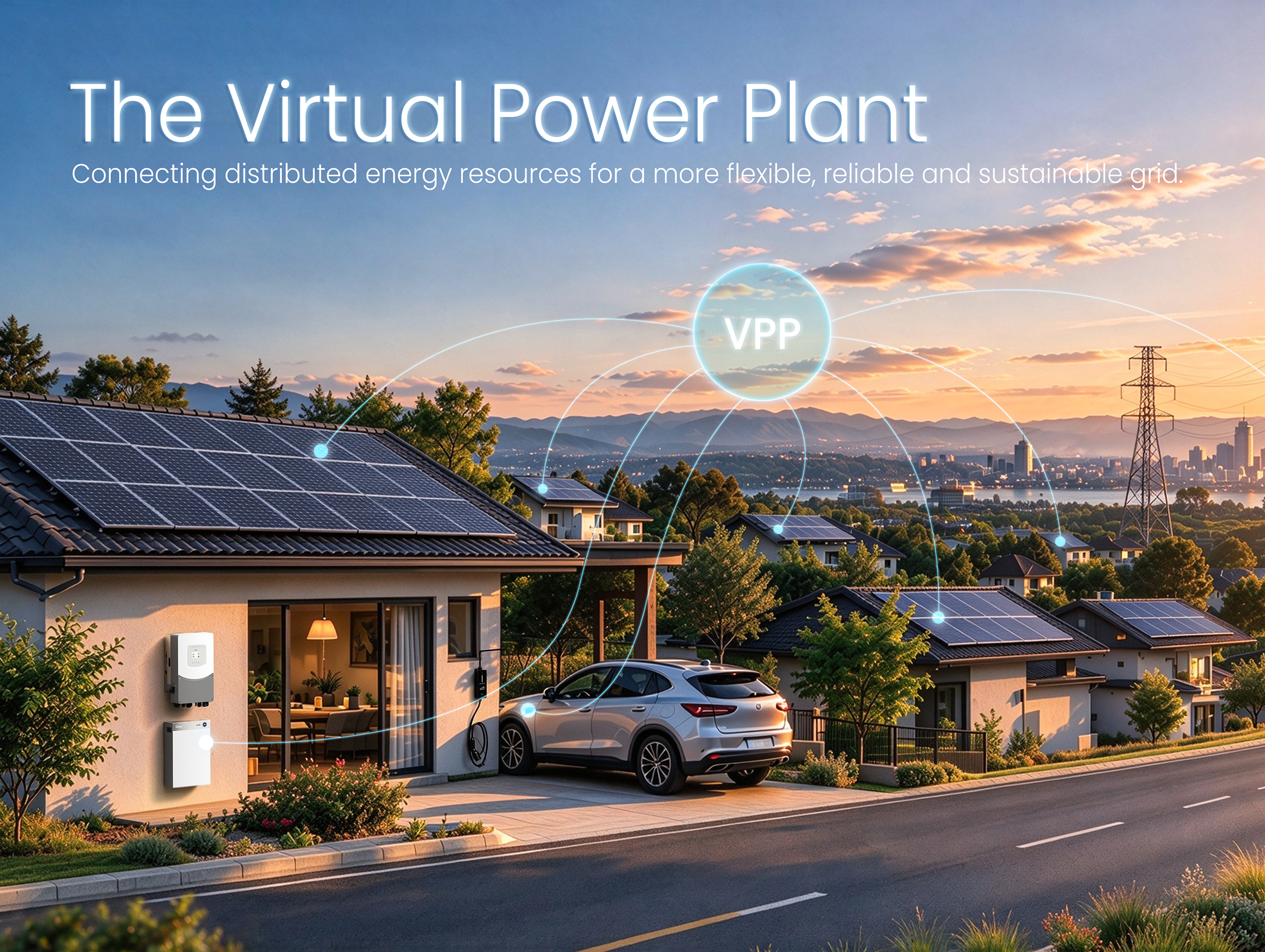 From Centralized Grids to Virtual Power Plants: The Next Evolution of the Power System
For more than a century, power systems around the world have relied on a centralized model. Large p...
-
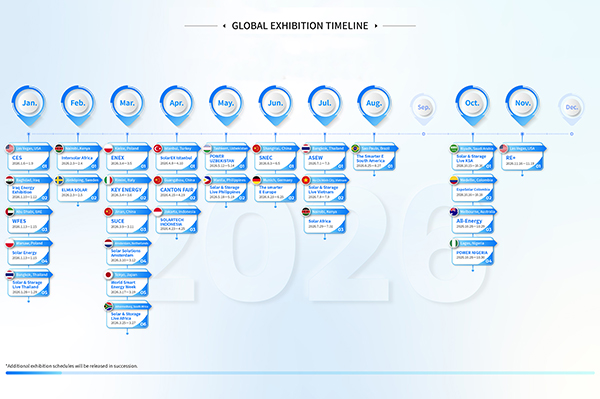 GLOBAL EXHIBITION TIMELINE
*Click to view larger image
-
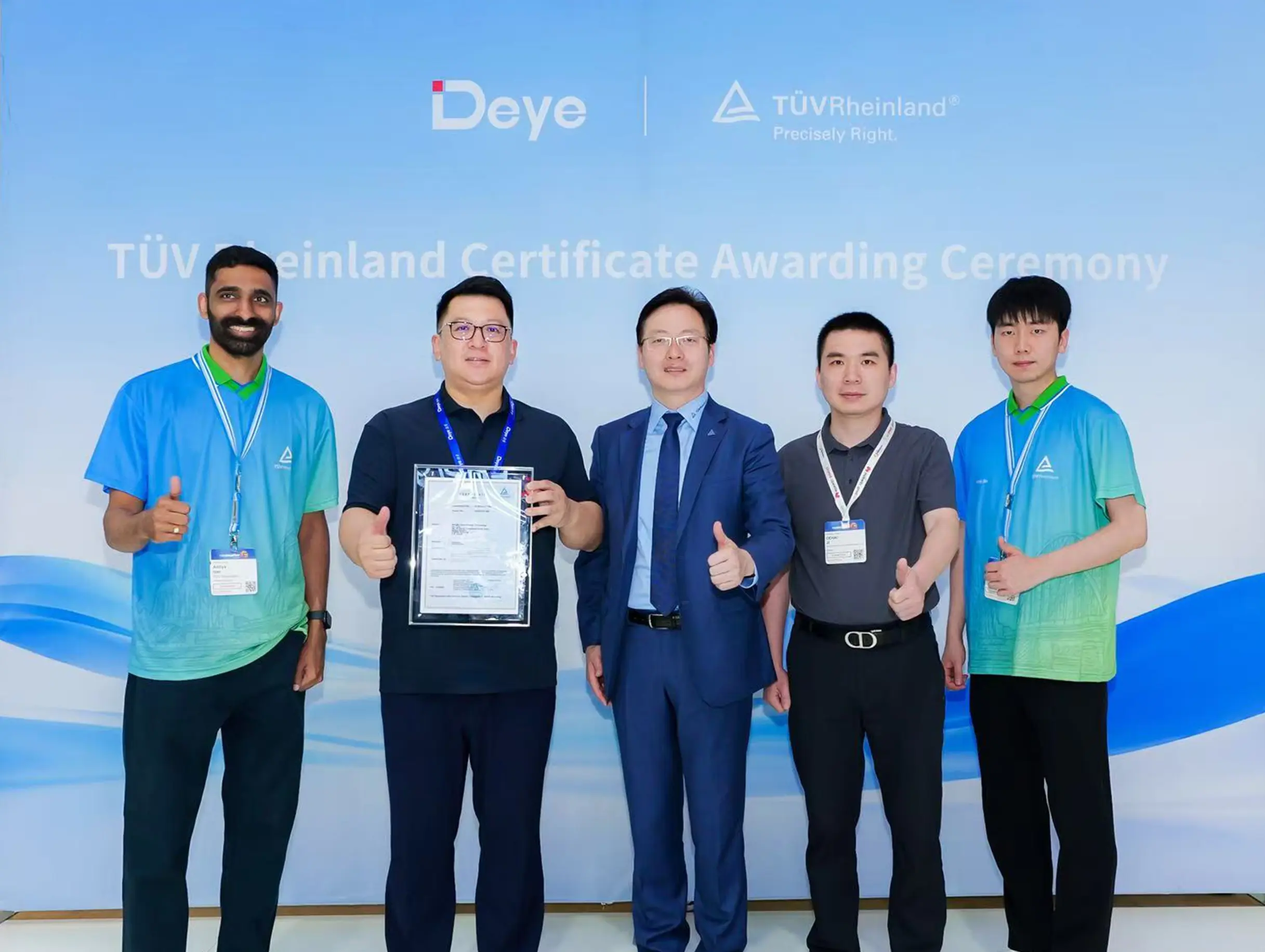 Deye Secures Multiple TÜV Rheinland Certifications at The smarter E Europe
On June 23, the opening day of The smarter E Europe 2026, Deye was officially awarded several presti...

Copyright@ 2024.Ningbo Deye Inverter Technology Co.,Ltd. All rights reserved. Solar Inverter Manufacturer
