
 Online Shop
 English
 China - 简体中文
 Global - English
 Brazil - Português
 Netherlands - Dutch
 Italy - Italiano
 Germany - Deutsch
 Spain - Español
 France - Français
 Vietnam - Tiếng Việt
 Poland - Polski
 Australia - English
 Japan - 日本語
Tan Meiling — Key Account Sales Executive, Hybrid Inverter & ESS

Smart EV Charging for Solar-Powered Homes and Energy Systems
The transition to electric mobility is changing the way households and businesses consume electricity. Electric vehicles are no longer isolated loads that are charged whenever they are connected to a wall outlet. They are becoming an important part of an integrated energy system that may include solar panels, battery storage, an inverter, household appliances, and intelligent monitoring software. A smart electric vehicle charger must therefore do more than deliver power. It must communicate with the energy system, respond to electricity prices, make effective use of solar generation, protect users and equipment, and remain dependable in demanding indoor and outdoor environments.
The Smart EV Charger is designed around this integrated approach. It can be connected directly to an AC port of a compatible inverter and controlled through LoRa communication. This arrangement allows the charger and inverter to operate as part of a coordinated energy ecosystem rather than as separate devices. Users can select Plug and Play charging, scheduled charging, or a solar-only charging mode according to their driving needs, electricity tariffs, and renewable-energy production.
With support for 7 kW, 11 kW, and 22 kW charging configurations, single-phase and three-phase operation, outdoor installation, real-time monitoring, and multiple communication interfaces, the charger is suitable for a broad range of residential and light commercial applications. Its protective functions, IP66 enclosure, low-noise operation, and wide operating-temperature range further strengthen its position as a practical solution for modern electric mobility.
Behind the product is Ningbo Deye Inverter Technology Co., Ltd., a manufacturer with experience in power electronics, photovoltaic inverters, energy storage systems, and intelligent energy management. The company’s manufacturing capabilities, research and development resources, international certification experience, and broad product portfolio provide an important foundation for the charger’s design and long-term market development.
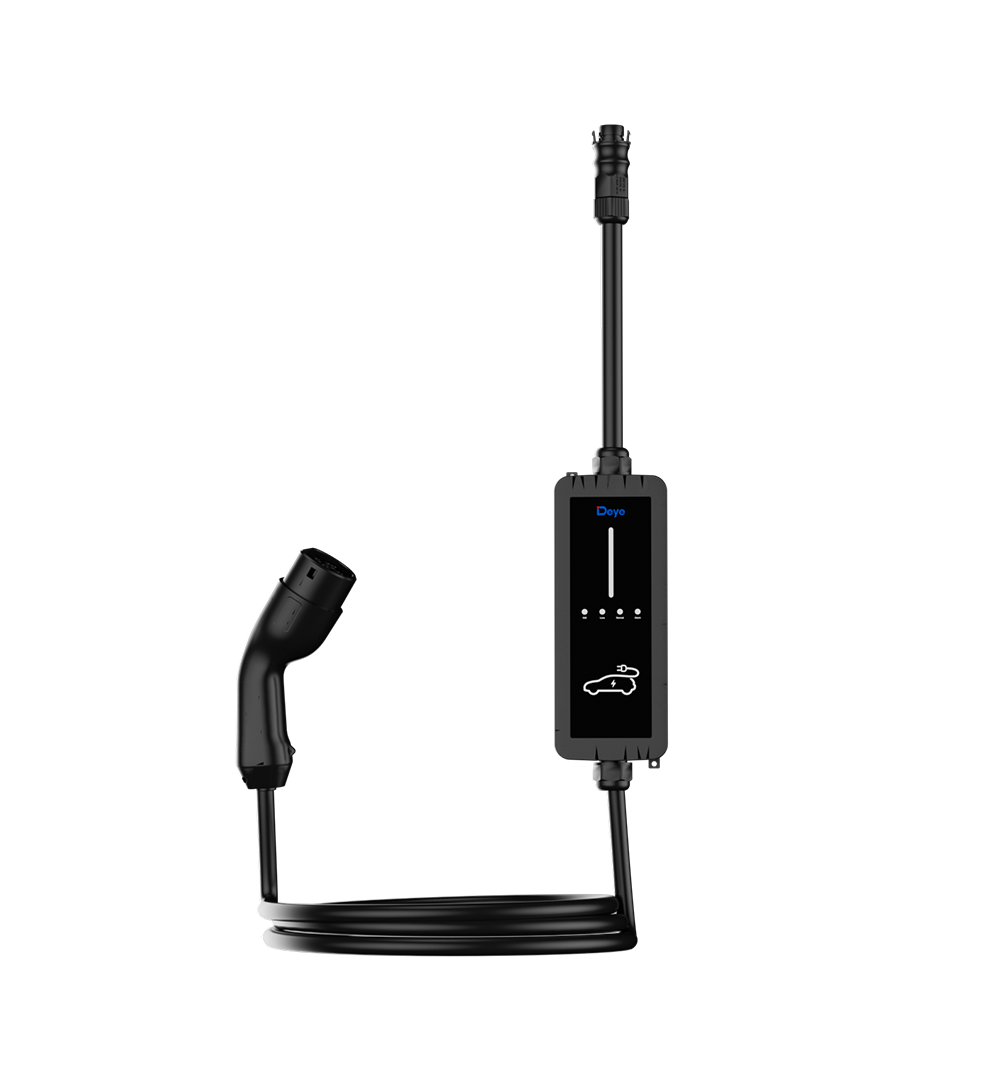
Smart EV Charger
Why Electric Vehicle Charging Needs to Become More Intelligent
Traditional charging equipment generally follows a simple operating principle: when the vehicle is connected, the charger supplies electricity at the available rate. This approach is easy to understand, but it does not always produce the best result for the user or the electrical system. A vehicle may begin charging during a period of high electricity prices, even when lower-cost power will be available later. It may also consume electricity from the grid even though solar energy is being generated on site.
A smart charger can coordinate charging with time, energy availability, and system conditions. This capability is particularly valuable in a solar-plus-storage installation. During the day, photovoltaic generation can be directed to vehicle charging rather than exported to the grid. During lower-cost tariff periods, charging can be scheduled to reduce operating expenses. When the home or facility has a limited electrical connection, intelligent control can help prevent unnecessary overloads and prioritize essential loads.
The Smart EV Charger supports this more flexible method of operation through three basic modes. Plug and Play mode provides a straightforward charging experience for users who want to connect the vehicle and begin charging. Time of Charge mode allows users to plan charging according to a selected schedule. Solar Energy Only mode is intended for users who want to prioritize available photovoltaic power and reduce reliance on grid electricity.
These operating choices make the charger adaptable to different lifestyles. A driver who returns home with a low battery before an early departure may require immediate charging. Another user may prefer to delay charging until an off-peak period. A household focused on maximizing self-consumption may choose solar-only charging whenever sufficient photovoltaic power is available. The charger accommodates each situation without requiring a separate charging device for each use case.
Direct Integration with Inverter-Based Energy Systems
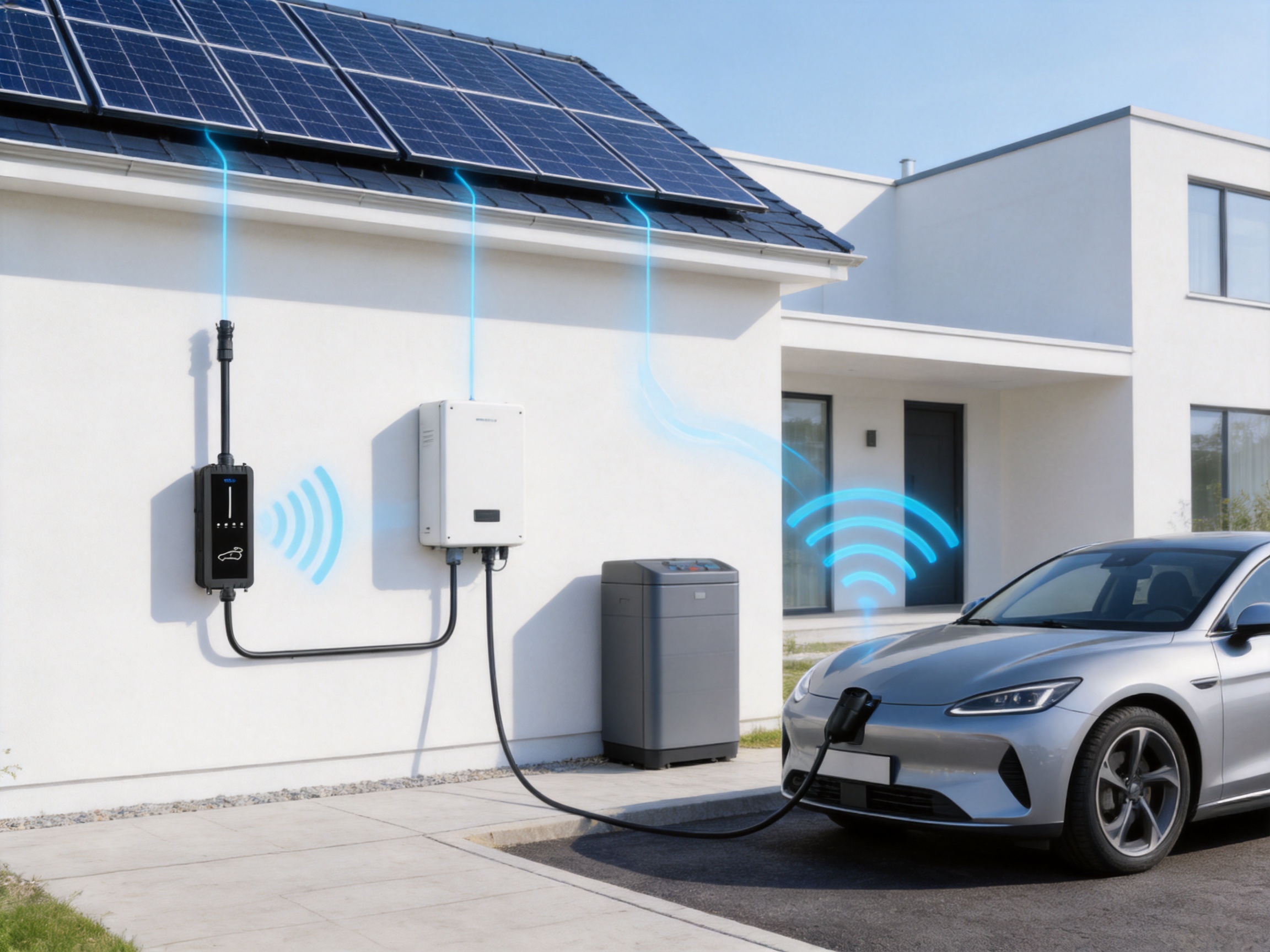
One of the product’s key advantages is its ability to connect directly to an AC port of the inverter. This architecture simplifies the relationship between the charger and the rest of the energy system. Instead of relying only on an independent charger control platform, the inverter can coordinate charging as part of its broader energy-management function.
The connection is controlled through LoRa communication. LoRa is well suited to energy applications that require long-range wireless communication and low power consumption. It can support communication across a home, garage, utility room, or small commercial site without requiring every device to be connected by a dedicated data cable. This can make installation more convenient, especially when the charger is located some distance from the inverter.
Communication between the inverter and charger enables more informed decisions about charging power. The system can take account of solar production, household demand, grid conditions, and user preferences. In a well-designed installation, charging can become a controllable energy load that supports the operating objectives of the entire system.
Compared with a basic standalone charger, an inverter-integrated charger can offer a more coherent user experience. The owner does not need to manage several disconnected applications or manually estimate how much solar power is available. The charging process can be incorporated into the same energy-management environment used for photovoltaic generation and storage.
The product also supports Wi-Fi and Bluetooth Low Energy interfaces. These interfaces can assist with commissioning, local configuration, connectivity, and communication with digital services. The combination of LoRa, Wi-Fi, and Bluetooth gives the charger flexibility across different installation and service scenarios.
Flexible Charging Modes for Different Energy Priorities
Plug and Play Charging
Plug and Play operation is designed for simplicity. Once the charger is installed, configured, and connected to a suitable electric vehicle, the user can connect the charging gun and begin the charging process. This mode is useful when immediate charging is more important than tariff optimization or solar self-consumption.
The value of Plug and Play charging is not limited to convenience. It also reduces the number of decisions required during everyday use. Drivers do not need to adjust schedules or check solar production before every charging session. For households with predictable energy requirements and sufficient electrical capacity, this straightforward mode can provide a dependable routine.
Scheduled Charging
Scheduled charging allows the vehicle to charge at selected times. This can be useful where electricity prices vary during the day or where the user wants charging to take place during a period of lower household activity. For example, the vehicle may be connected in the evening but configured to begin charging later at night.
Scheduled charging can also help distribute demand across the electrical system. If several high-power appliances operate in the evening, delaying vehicle charging may reduce the chance of a coincident peak. In an energy-storage installation, the schedule can be coordinated with battery operation and tariff conditions to support a more economical energy strategy.
Solar Energy Only Charging
Solar-only charging is one of the most important features for photovoltaic users. The mode is intended to maximize the use of solar power generated on site. Instead of automatically drawing electricity from the grid whenever the vehicle is connected, the charging system can prioritize available solar energy.
This can increase the self-consumption ratio of a solar installation. The vehicle becomes an additional destination for clean energy produced by the photovoltaic array. When the charging session is aligned with solar production, the system may reduce electricity purchases and make better use of generation that might otherwise be exported at a lower value.
Solar-only charging is especially attractive for users who want to reduce their environmental impact or manage energy costs over the long term. It also supports a more visible connection between renewable generation and transportation. The vehicle is not merely an electricity consumer; it becomes part of the household’s renewable-energy strategy.
Charging Power and Electrical Compatibility
The charger supports multiple power levels, including 7 kW, 11 kW, and 22 kW configurations. This range allows users and installers to match the equipment to the vehicle, electrical installation, available grid capacity, and expected charging behavior.
| Model | Nominal Input Arrangement | Maximum Output Power | Typical Application Consideration |
| SUN-EVSE11K01-EU-AC | 230/400 V, three-phase | 11 kW | Residential and small commercial three-phase charging |
| SUN-EVSE22K01-EU-AC | 230 V single-phase or 230/400 V three-phase | 7 kW single-phase or 22 kW three-phase | Flexible installations requiring single-phase or three-phase operation |
The 11 kW model is configured for a three-phase installation and uses a 3L+N+PE connection mode. The 22 kW model supports either L+N+PE for single-phase operation or 3L+N+PE for three-phase operation. This flexibility can simplify product selection across markets where residential electrical systems vary.
Charging power should always be considered together with the vehicle’s onboard charger. An electric vehicle may not be capable of accepting the full output available from the charging equipment. In that situation, the vehicle determines the actual charging rate. The same principle applies to the site’s electrical capacity, protective devices, wiring, and local installation requirements.
The input current ratings are 16 A for the 11 kW model and 32 A for the 22 kW model. The rated input frequency supports both 50 Hz and 60 Hz systems within the specified ranges. This makes the product suitable for a broad selection of electrical environments, subject to local regulations and professional installation.
Multi-power support offers a practical advantage over products designed for only one fixed output. Installers can select an appropriate model based on the site’s available phases and capacity. Users may also benefit from a more future-ready installation if their electrical supply or vehicle requirements change later.
Single-Phase and Three-Phase Charging
Single-phase charging remains common in residential properties and smaller installations. It can be appropriate where the local electrical service does not provide three-phase power or where the expected charging demand is moderate. The 22 kW model can deliver up to 7 kW in single-phase operation, which is suitable for many home charging applications.
Three-phase charging can deliver higher power and distribute the electrical load across three phases. The 11 kW model supports three-phase output, while the 22 kW model can reach up to 22 kW when connected to a suitable three-phase supply. This can reduce charging time for compatible vehicles and provide greater flexibility for commercial sites, workplaces, and properties with higher daily driving requirements.
Supporting both electrical arrangements improves the product’s suitability for international deployment. It also gives designers more options when planning charging infrastructure for different types of buildings. Nevertheless, phase configuration must be verified during system design, and electrical work should be completed by qualified professionals in accordance with applicable codes.
Safety Protection Designed for Everyday Reliability
Electric vehicle charging involves high electrical power for extended periods. Safety protection is therefore a central product requirement rather than an optional feature. The charger includes Type B leakage protection and 6 mA DC fault protection. These functions are intended to detect potentially dangerous fault conditions and help protect people, vehicles, and connected equipment.
The equipment includes over-temperature protection and low-temperature protection. A wide environmental range can expose charging equipment to hot summers, cold winters, and rapid changes in operating conditions. Temperature monitoring helps the charger respond to abnormal thermal conditions and supports stable operation within its specified limits.
Additional electrical protections include over-voltage, under-voltage, short-circuit, overload, and earth-fault protection. These functions address different types of abnormal conditions. Over-voltage and under-voltage protection help respond to supply variations. Short-circuit protection limits the effects of a direct fault. Overload protection helps prevent operation beyond the intended current capacity. Earth-fault protection supports safer operation when an unintended current path occurs.
The charger also incorporates Type II surge protection. Electrical surges can result from switching events, disturbances on the distribution network, or nearby lightning activity. Surge protection does not eliminate every possible risk, but it forms an important part of a coordinated protection strategy for the charging system and the wider electrical installation.
| Protection Function | Availability or Rating |
| Leakage current protection | DC 6 mA |
| Over-temperature protection | Yes |
| Low-temperature protection | Yes |
| Over-voltage protection | Yes |
| Under-voltage protection | Yes |
| Short-circuit protection | Yes |
| Overload protection | Yes |
| Earth-fault protection | Yes |
| Surge protection | Type II |
These layers of protection support the charger’s suitability for regular use. They also help installers and system designers create a more complete safety strategy when the device is combined with an inverter, battery, photovoltaic system, and building distribution board.
Outdoor Durability and Environmental Performance
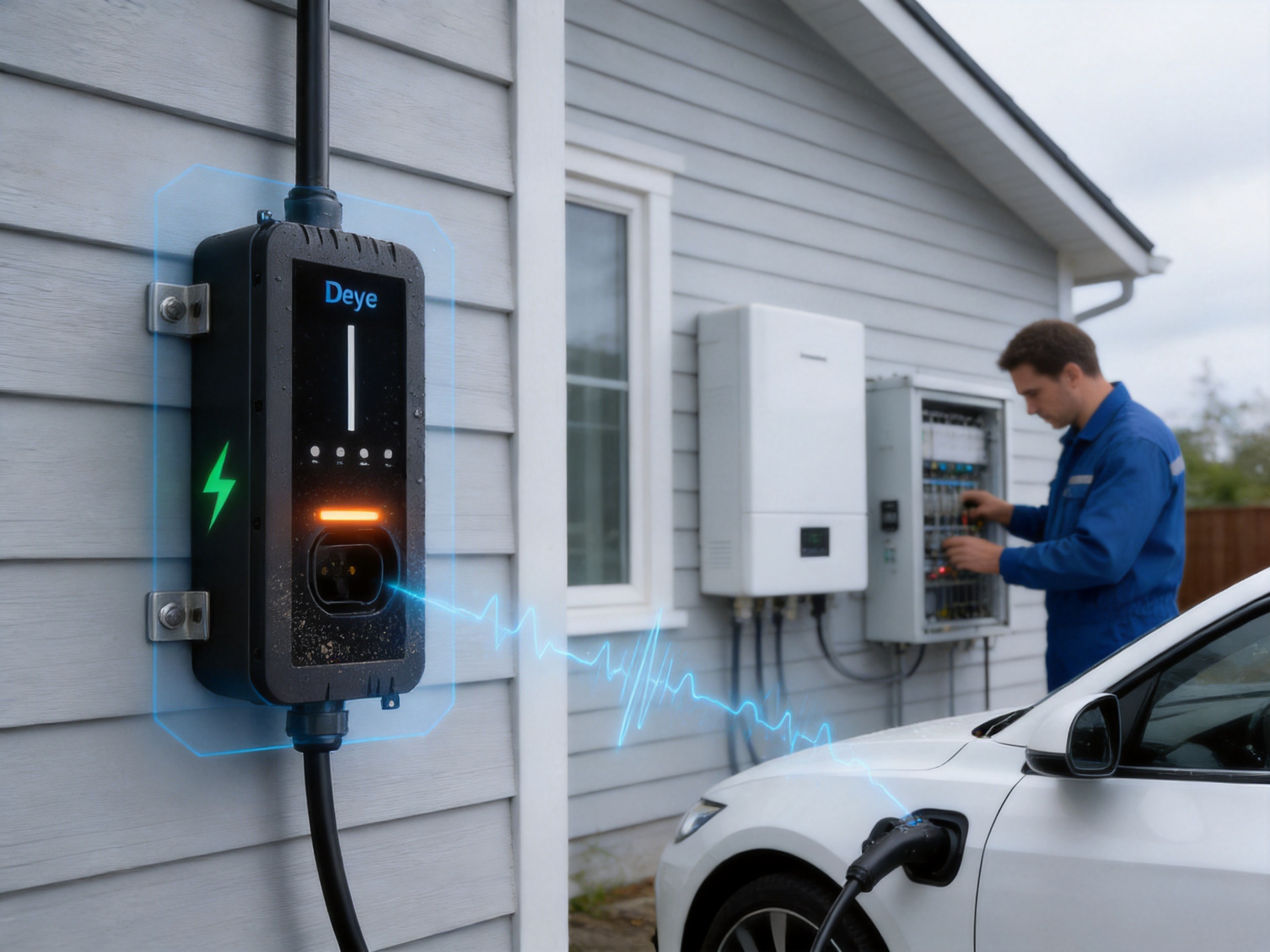
The enclosure has an IP66 ingress-protection rating. This rating indicates a high level of protection against dust and powerful water jets. It is an important advantage for a charger installed outside a home, beside a workplace parking area, or in another location exposed to weather.
Outdoor suitability expands the number of possible installation locations. The charger can be placed near a driveway, carport, garage entrance, or commercial parking space when the site design and local requirements permit. A weather-resistant enclosure can also reduce the need for additional protective housing, although the complete installation must still consider drainage, physical impact, sunlight exposure, cable routing, and service access.
The specified operating temperature range is from -40°C to +55°C. This broad range supports operation in many climates, including regions with severe winter conditions and areas with high summer temperatures. The permissible ambient humidity is 5% to 95% without condensation, and the specified operating altitude is below 3,000 meters.
Environmental durability is especially significant because electric vehicle chargers are often expected to remain installed for many years. A product designed for indoor use only may require additional enclosures or careful placement. A charger with a robust environmental specification offers more freedom during system planning and can help reduce installation constraints.
Despite its power capability, the charger is specified at a noise level of no more than 25 dB. Low noise can be valuable for residential installations, particularly when the charger is placed near a bedroom, living space, or neighboring property. Quiet operation improves the user experience without compromising the need for thermal management and protective control.
Monitoring and Control Through a Connected Energy Platform
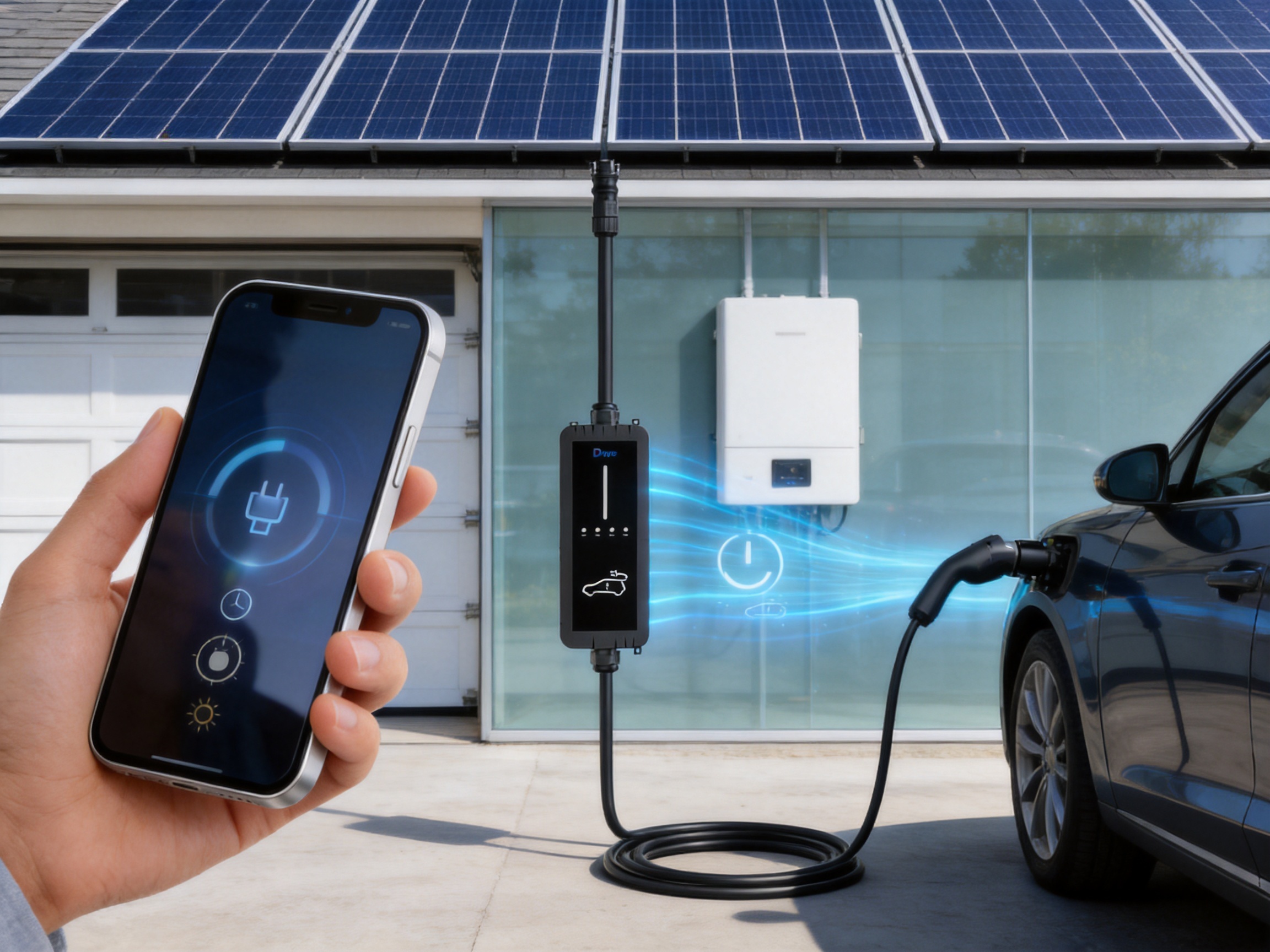
Real-time power monitoring and control through Deye Cloud provide users with visibility into charging activity. Digital monitoring can show whether the charger is operating, how much power is being used, and how charging relates to the wider energy system. This information helps users make more informed decisions about schedules, solar utilization, and electricity consumption.
Monitoring is valuable because charging behavior can otherwise be difficult to observe. A vehicle may remain connected for many hours, and the user may not know precisely when charging started, how much energy was delivered, or whether the session was interrupted. A connected platform can make these conditions easier to understand.
For installers and service teams, monitoring can also support system verification and troubleshooting. Communication status, power behavior, and charging events may provide useful information when assessing an installation. Remote visibility can reduce unnecessary site visits, although physical inspection remains necessary whenever a safety or hardware issue is suspected.
Cloud-based monitoring is most effective when combined with clear controls. Users should be able to select charging modes, adjust schedules, review energy performance, and understand the status of their vehicle charging session. The charger’s communication interfaces and inverter integration are intended to support this type of coordinated digital experience.
LoRa Communication for Long-Range Energy Management
LoRa communication is a defining feature of the product. In many properties, the inverter and charger are not positioned next to each other. The inverter may be installed in a utility room, while the charging equipment is located in a garage or outdoor parking area. Running a dedicated communication cable between the two devices may be inconvenient or costly.
A long-range wireless link can provide a practical alternative. LoRa is designed for low-power, long-distance communication and can support the exchange of control information across typical residential or small commercial environments. Its role in this charger is not to replace the electrical connection but to coordinate operating instructions and energy-management decisions.
Low latency is another stated product advantage. Fast communication helps the charger respond promptly to system commands, operating conditions, and changes in available energy. This is particularly useful when the system is attempting to follow solar production or maintain a preferred power limit.
Wireless communication performance depends on the building structure, installation position, radio environment, and local regulations. Proper commissioning is therefore important. The charger should be positioned and configured in a way that supports reliable communication with the inverter and any associated monitoring equipment.
In addition to LoRa, the charger supports Wi-Fi and Bluetooth Low Energy. Bluetooth can be useful during local setup or service activities, while Wi-Fi can support network connectivity and digital monitoring. Providing multiple communication paths gives installers greater flexibility and helps the product adapt to different system architectures.
Offline Operation and Continuity
Offline operation is included among the charger’s product features. This capability is important because network connectivity is not always perfect. Internet interruptions, router failures, or temporary cloud-service unavailability should not necessarily prevent a vehicle from charging.
A charger that can continue operating locally provides greater resilience. Users can maintain essential charging functionality even when cloud-based monitoring or remote control is temporarily unavailable. This does not mean that every online feature will remain accessible during a network outage, but it can help preserve the basic charging function.
Offline operation is also useful in locations with limited network infrastructure. A garage, rural property, or temporary installation may not have a stable internet connection. Local operation can make the system more practical while still allowing online services to be used when connectivity is restored.
Compact Design and Practical Installation
The charger has a cabinet size of 104 by 264 by 57.5 millimeters. Its compact dimensions support installation in locations where wall space is limited. A smaller enclosure can be easier to position beside a driveway, on a garage wall, or near an electrical distribution area.
The product weighs approximately 3.7 kilograms and includes one charging gun with a cable length of approximately 4.2 meters. The cable length provides useful reach for many home parking arrangements while remaining manageable during everyday use. The single-gun configuration is appropriate for a dedicated vehicle charging point and keeps the product straightforward to operate.
Compact construction does not remove the need for careful installation. The mounting surface must be structurally suitable, the cable must be protected from excessive bending and impact, and the electrical connection must be correctly sized. Adequate clearance should be maintained for inspection and servicing, particularly in outdoor environments.
For property developers and installers, a compact charger can simplify space planning. Multiple chargers may be integrated into residential parking areas, workplaces, or small commercial facilities with less visual and physical impact than larger charging cabinets. The design also complements modern photovoltaic and energy-storage equipment, where clean installation aesthetics are often important.
Manufacturing Strengths Behind the Product
The quality of a smart charger depends not only on its visible functions but also on the manufacturing system used to produce it. Ningbo Deye Inverter Technology Co., Ltd. has developed a business centered on research and development, design, production, sales, and service. This integrated structure supports closer coordination between product engineering, manufacturing, quality assurance, and after-sales support.
The company was founded in 2000 and has built experience in power electronics and energy products over more than two decades. Its portfolio includes photovoltaic inverters, energy storage inverters, microinverters, environmental appliances, and intelligent energy-management technologies. This background is relevant to an EV charger because the charger must interact with the same electrical ecosystem as solar and storage equipment.
Manufacturing experience in inverter technology can contribute to several areas of charger development. These areas include power-conversion design, thermal management, electrical protection, electromagnetic compatibility, firmware control, communication protocols, and production testing. A company that works across these technologies can approach EV charging as part of an energy platform rather than as an isolated hardware product.
The company’s products are sold in more than 140 countries and regions. International deployment requires attention to different grid structures, installation practices, environmental conditions, communication requirements, and certification systems. This global experience can strengthen the design and documentation process for products intended for diverse markets.
Vertical coordination between research and development and manufacturing also supports product consistency. Engineers can work with production teams to improve assembly methods, refine testing procedures, and identify potential quality issues earlier in the product lifecycle. Manufacturing feedback can then be used to optimize future revisions.
For distributors and professional installers, manufacturer capability is an important consideration. A technically advanced product requires dependable documentation, training, spare-parts planning, software support, and service channels. An established energy-technology company is better positioned to provide these supporting elements than a manufacturer focused only on short-term hardware sales.
Quality-Oriented Production and Testing Considerations
The product’s specified protection functions and communication capabilities indicate the importance of structured production testing. Each charger must be assembled with appropriate attention to insulation, protective-earth continuity, terminal connections, current-carrying components, communication modules, and enclosure integrity.
Electrical safety testing can verify that the assembled unit meets the intended protection requirements. Functional testing can confirm the response of over-voltage, under-voltage, overload, short-circuit, temperature, leakage, and earth-fault protection. Communication testing can validate the LoRa, Wi-Fi, and Bluetooth interfaces before the charger leaves the factory.
Environmental design also requires manufacturing discipline. The IP66 enclosure rating depends on the correct installation of seals, covers, cable entries, and fasteners. Small assembly errors can compromise resistance to dust or water. A quality-oriented production process therefore needs controlled assembly instructions and inspection points for enclosure components.
Thermal performance is another important manufacturing consideration. High-power charging produces heat, and the charger must dissipate that heat while maintaining safe operating temperatures. Component placement, heat paths, enclosure design, and firmware limits all influence performance. Production testing can help identify units that do not meet expected thermal or electrical behavior.
Traceability further strengthens manufacturing control. Recording production batches, component information, test results, and firmware versions can help the manufacturer investigate field issues and manage future updates. For products installed in large numbers, traceability supports more efficient service and quality-improvement activities.
The charger’s compliance with standards including IEC 61851-1 and related EMC and wireless requirements demonstrates the need for formal verification. Certification and laboratory evaluation do not replace responsible installation, but they provide a structured basis for assessing safety, electromagnetic compatibility, radio performance, and charging behavior.
Advantages Compared with Basic Standalone Chargers
Many basic EV chargers can provide electricity to a vehicle, but they may not offer deep integration with a solar inverter or household energy-management system. The Smart EV Charger differentiates itself through direct AC-port connection, inverter control, LoRa communication, solar-only operation, scheduled charging, and cloud-based monitoring.
The first advantage is energy coordination. A standalone charger generally responds to the vehicle and its own internal settings. An integrated charger can respond to the wider energy environment. This can make it more suitable for homes and businesses that already have solar generation or plan to install battery storage.
The second advantage is flexibility. Support for single-phase and three-phase operation, along with 7 kW, 11 kW, and 22 kW power options, addresses a wider variety of installation conditions. A product available in only one configuration may require additional electrical adaptation or may not be suitable for a particular site.
The third advantage is communication range. LoRa provides a long-range wireless connection between the charger and inverter, potentially reducing installation complexity where the devices are separated. Low latency supports responsive control, while Wi-Fi and Bluetooth offer additional connectivity choices.
The fourth advantage is environmental resilience. An IP66 rating, a -40°C to +55°C operating range, and low-noise performance support outdoor and residential applications. A charger that requires a protected indoor location may be less convenient for homes without an enclosed garage.
The fifth advantage is layered protection. Type B leakage protection, DC 6 mA fault protection, Type II surge protection, temperature protection, voltage protection, overload protection, short-circuit protection, and earth-fault protection create a comprehensive safety profile. Protection requirements still depend on the overall installation, but the charger provides a strong equipment-level foundation.
Finally, the product benefits from being part of a broader manufacturer ecosystem. Users and installers may obtain greater compatibility when the EV charger, inverter, energy storage equipment, and monitoring platform are designed to work together. This can simplify system selection, commissioning, and long-term management.
Use in Residential Solar Energy Systems
Residential photovoltaic systems are one of the most natural applications for an integrated EV charger. A household may generate solar energy during the day, consume some of it directly, store some in a battery, and export the remainder. An electric vehicle adds another flexible load that can absorb solar generation.
When the vehicle is parked at home during daylight hours, solar-only charging can direct surplus photovoltaic power into the vehicle. This may improve self-consumption and reduce grid imports. If the vehicle is away during the day, scheduled charging can be used later, potentially during an off-peak tariff period.
The inverter’s role is important because it provides a central point for energy coordination. The charger can receive control information through LoRa and adjust its charging behavior according to the operating strategy. The homeowner can then monitor the result through the cloud platform rather than treating the vehicle as an entirely separate energy system.
Residential installations also benefit from the low-noise enclosure and outdoor rating. A homeowner may install the charger on an exterior wall beside a parking space without placing a large, loud device inside the living area. The compact form can fit into a carefully planned home energy installation that includes the inverter, battery, and electrical distribution equipment.
Use in Workplaces and Small Commercial Sites
Workplaces, retail properties, workshops, and small commercial sites may need charging equipment that can serve vehicles during predictable parking periods. Employees may arrive in the morning and leave in the afternoon, while customers or fleet vehicles may follow different patterns. Scheduled charging can help align energy use with operating hours, solar generation, or tariff periods.
The 11 kW and 22 kW options provide flexibility for sites with three-phase power. Higher charging capacity may be useful where vehicles remain parked for shorter periods or where a fleet operator needs to add meaningful energy during the working day. Single-phase capability may also be relevant for smaller commercial premises.
Outdoor durability is valuable in commercial environments because charging points are often located in open parking areas. The IP66 rating and broad temperature specification support installations exposed to dust, rain, and seasonal temperature changes. Monitoring can help facility managers review charging activity and identify unusual operating behavior.
For a site with solar generation, solar-only charging can connect workplace mobility with renewable-energy production. Vehicles parked during sunny hours can use local photovoltaic power, helping the business increase self-consumption and demonstrate a visible commitment to cleaner transportation.
Installation and System-Design Considerations
A professional site assessment should be completed before installation. The assessment should consider the electrical service, available current, phase arrangement, cable route, protective devices, grounding, mounting location, communication range, and vehicle compatibility. The installer should also verify the requirements of local regulations and the electricity distributor.
The 11 kW model requires a three-phase arrangement, while the 22 kW model can operate in single-phase or three-phase configurations. The selected model must match the actual supply. The installation should not assume that a higher-rated charger will automatically deliver higher power if the building’s electrical connection cannot support it.
Load management may be important in homes and commercial properties with limited capacity. The charging system should be planned alongside other major loads, such as heat pumps, electric water heaters, cooking equipment, and battery systems. Scheduled or solar-only operation can help, but the overall electrical design must remain within safe limits.
Communication commissioning is also essential. The installer should confirm that the charger can communicate reliably with the inverter through LoRa and that Wi-Fi or Bluetooth functions are configured as required. The physical position of the charger, the distance from the inverter, and the presence of walls or metal structures can affect wireless performance.
After installation, the system should be tested under appropriate operating conditions. Testing can include Plug and Play charging, scheduled charging, solar-only charging, monitoring, protective responses, communication recovery, and offline operation. Proper documentation helps the owner understand how to use the charger and enables service personnel to support the system later.
Long-Term Value for Users and Installers
The value of an EV charger should be measured over its full operating life rather than only by its initial purchase price. A charger that supports solar integration, scheduled operation, and monitoring can help users manage energy more effectively over many years. Its flexible power options may also reduce the need for replacement if the user’s energy system or vehicle changes.
For installers, product standardization can simplify training and system design. A charger that belongs to a wider inverter and ESS portfolio may reduce the number of unfamiliar interfaces that technicians must learn. Consistent monitoring and communication practices can also improve commissioning efficiency.
For distributors, a product supported by an established manufacturer may offer more confidence in supply continuity, technical documentation, and after-sales support. The manufacturer’s experience in multiple energy sectors creates opportunities to package EV charging with photovoltaic inverters, energy storage, and monitoring services.
For end users, the most important benefit is control. The charger gives the driver choices about when and how the vehicle receives energy. Those choices can support convenience, lower-cost charging, greater solar utilization, and improved awareness of household electricity use.
Q&A: Smart EV Charger Applications and Features
What is the main purpose of the Smart EV Charger?
The main purpose is to provide controlled AC charging for electric vehicles while integrating charging with an inverter-based solar and energy-management system. It supports immediate charging, scheduled charging, and solar-only charging.
Can the charger work with a photovoltaic system?
Yes. The charger is designed to connect to an AC port of a compatible inverter and can prioritize solar energy through its Solar Energy Only mode. The exact operating behavior depends on the complete system configuration and inverter compatibility.
What charging power levels are supported?
The product family supports 7 kW, 11 kW, and 22 kW charging configurations. The 22 kW model can provide up to 7 kW in single-phase operation or up to 22 kW in three-phase operation when the vehicle and electrical installation support those ratings.
Does it support both single-phase and three-phase charging?
Yes. The 22 kW model supports L+N+PE single-phase connection and 3L+N+PE three-phase connection. The 11 kW model uses a three-phase arrangement. Selection should be based on the site’s electrical supply and the vehicle’s charging capability.
How does the charger communicate with the inverter?
The charger communicates with the inverter through LoRa. It also supports Wi-Fi and Bluetooth Low Energy for other connectivity, setup, and monitoring functions.
What are the charging modes?
The available operating choices include Plug and Play, Time of Charge or scheduled charging, and Solar Energy Only. These modes address immediate charging, tariff-based scheduling, and photovoltaic self-consumption priorities.
Can the charger be installed outdoors?
Yes. The enclosure has an IP66 rating and the specified operating temperature range is -40°C to +55°C. The installation should still protect the equipment from inappropriate physical impact, flooding, incorrect cable routing, and other site-specific hazards.
What safety protections are included?
The charger includes Type B leakage and 6 mA DC fault protection, over-temperature protection, low-temperature protection, over-voltage protection, under-voltage protection, short-circuit protection, overload protection, earth-fault protection, and Type II surge protection.
Can the charger operate if the internet connection is interrupted?
Offline operation is listed as a product feature. Basic charging functionality may continue locally, although cloud monitoring and remote functions can depend on network availability and system configuration.
Can users monitor charging remotely?
Real-time power monitoring and control are available through Deye Cloud when the charger is connected to the required communication network and compatible energy system.
Is the charger suitable for workplaces or small businesses?
Yes. Its power options, three-phase support, outdoor rating, scheduled charging, and monitoring functions can suit workplaces, small commercial buildings, workshops, and similar sites. A professional assessment is required to confirm electrical capacity and installation suitability.
Does the vehicle always receive the full rated charging power?
No. The actual charging power depends on the charger model, the vehicle’s onboard charger, the electrical supply, site limits, protection settings, and the selected operating mode. The lowest applicable limit generally determines the operating power.
Why is direct inverter integration useful?
Direct integration enables the charger to participate in the site’s broader energy strategy. It can help coordinate vehicle charging with solar generation, household consumption, battery operation, schedules, and electricity-cost priorities.
What should be checked before installation?
The installer should verify the supply voltage, phase configuration, available current, protective devices, grounding, cable size, mounting surface, communication range, vehicle compatibility, local regulations, and the compatibility of the inverter and monitoring platform.
Conclusion
The Smart EV Charger is designed for an energy market in which electric vehicles, solar generation, battery storage, and digital control are increasingly connected. Its core advantage is not simply the ability to charge an electric vehicle. It is the ability to make charging a coordinated part of a modern energy system.
Direct connection to an inverter, LoRa control, low-latency communication, solar-only operation, scheduled charging, and cloud-based monitoring give users greater control over when and how electricity is used. Support for single-phase and three-phase charging, together with 7 kW, 11 kW, and 22 kW options, expands the product’s suitability across residential and commercial applications.
Safety and durability are equally important. Type B leakage protection, DC 6 mA fault protection, multiple electrical safeguards, Type II surge protection, IP66 environmental protection, a wide temperature range, and low-noise operation support dependable use in demanding environments.
The product is further strengthened by the capabilities of its manufacturer. Ningbo Deye Inverter Technology Co., Ltd. combines research and development, design, manufacturing, sales, and service experience across photovoltaic inverters, energy storage, microinverters, and intelligent energy-management technologies. This broader expertise provides a strong foundation for developing EV charging products that work as part of complete solar and storage solutions.
As transportation and electricity systems continue to converge, flexible charging will become increasingly valuable. A charger that can respond to renewable generation, electricity prices, user schedules, and system conditions can help households and businesses reduce waste, improve energy visibility, and make better use of clean power. In this context, the Smart EV Charger offers a practical pathway toward more connected, resilient, and intelligently managed electric mobility.
References
1. Product technical information for the Smart EV Charger, including model specifications, charging modes, protection functions, communication interfaces, and environmental ratings.
2. Manufacturer product data for SUN-EVSE11K01-EU-AC and SUN-EVSE22K01-EU-AC.
3. Manufacturer installation and operating manual for the 11 kW and 22 kW European AC EV charging models.
4. IEC 61851-1, Electric Vehicle Conductive Charging System: General Requirements.
5. IEC 61851-21-2, Electric Vehicle Conductive Charging System: EMC Requirements for Off-Board Electric Vehicle Charging Systems.
6. EN 300 220-2, Short Range Devices Operating in the Low-Frequency Radio Spectrum.
7. EN 300 328, Wideband Transmission Systems and Data Transmission Equipment Operating in the 2.4 GHz Band.
8. EN 301 489 series, Electromagnetic Compatibility Standards for Radio Equipment and Services.
9. General principles of photovoltaic self-consumption, energy storage coordination, and electric vehicle load management.
Product: Smart EV Charger
PREV:Advanced Inverter Data Logging for Smarter Solar Energy Management
NEXT:Hybrid ACDC Solar Air Water Cooler: Direct Solar Cooling for High-Efficiency Comfort
Share
Product recommendations
news recommendations
-
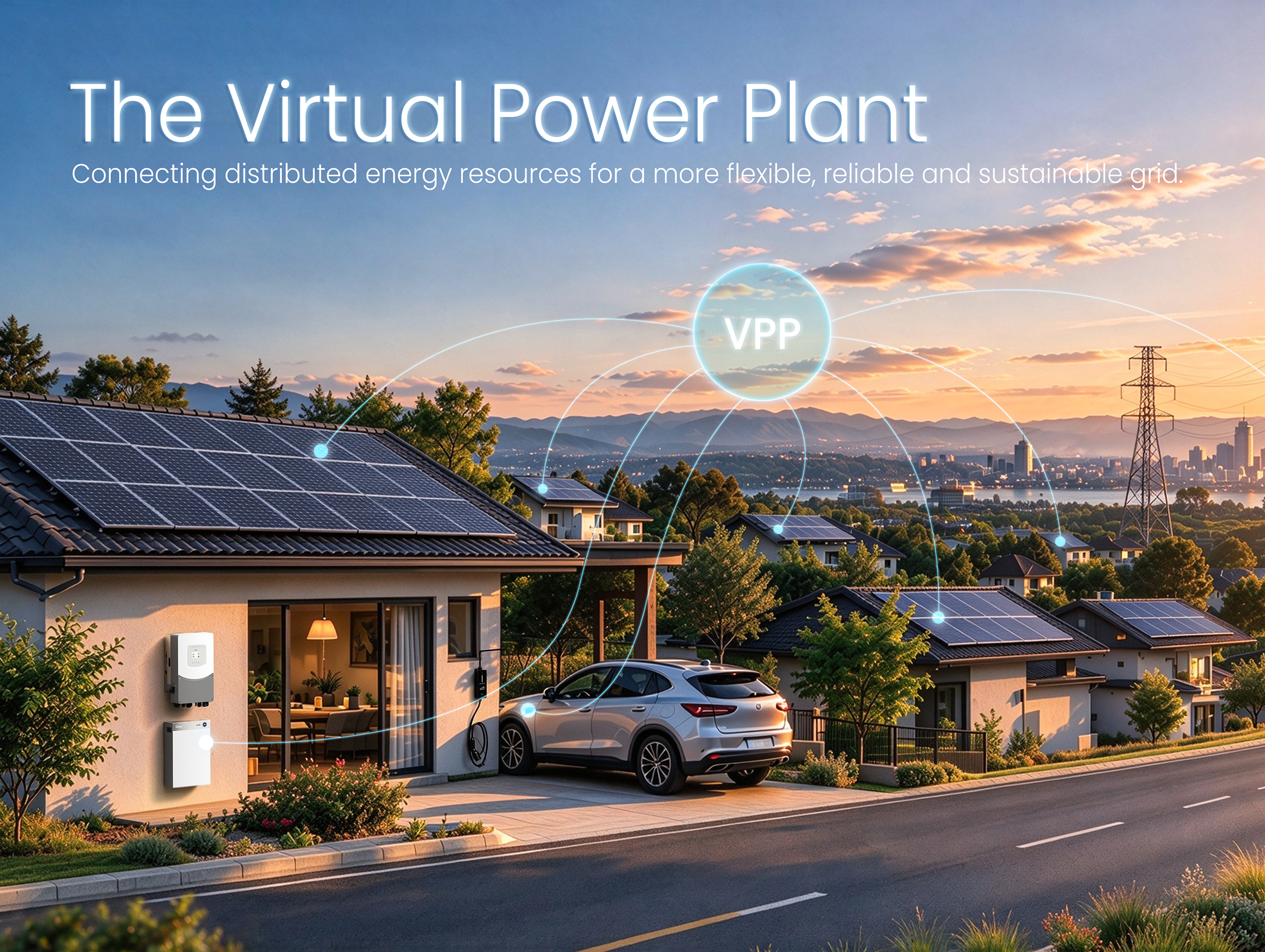 From Centralized Grids to Virtual Power Plants: The Next Evolution of the Power System
For more than a century, power systems around the world have relied on a centralized model. Large p...
-
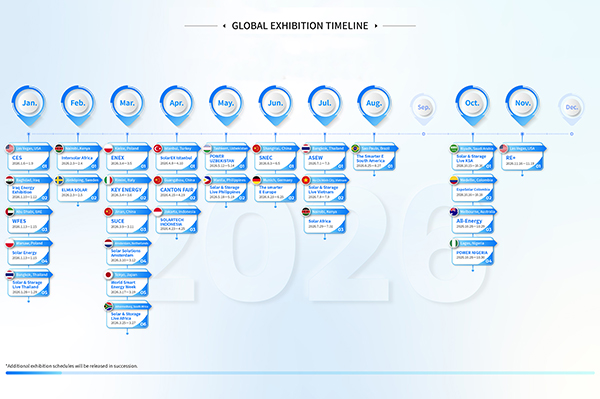 GLOBAL EXHIBITION TIMELINE
*Click to view larger image
-
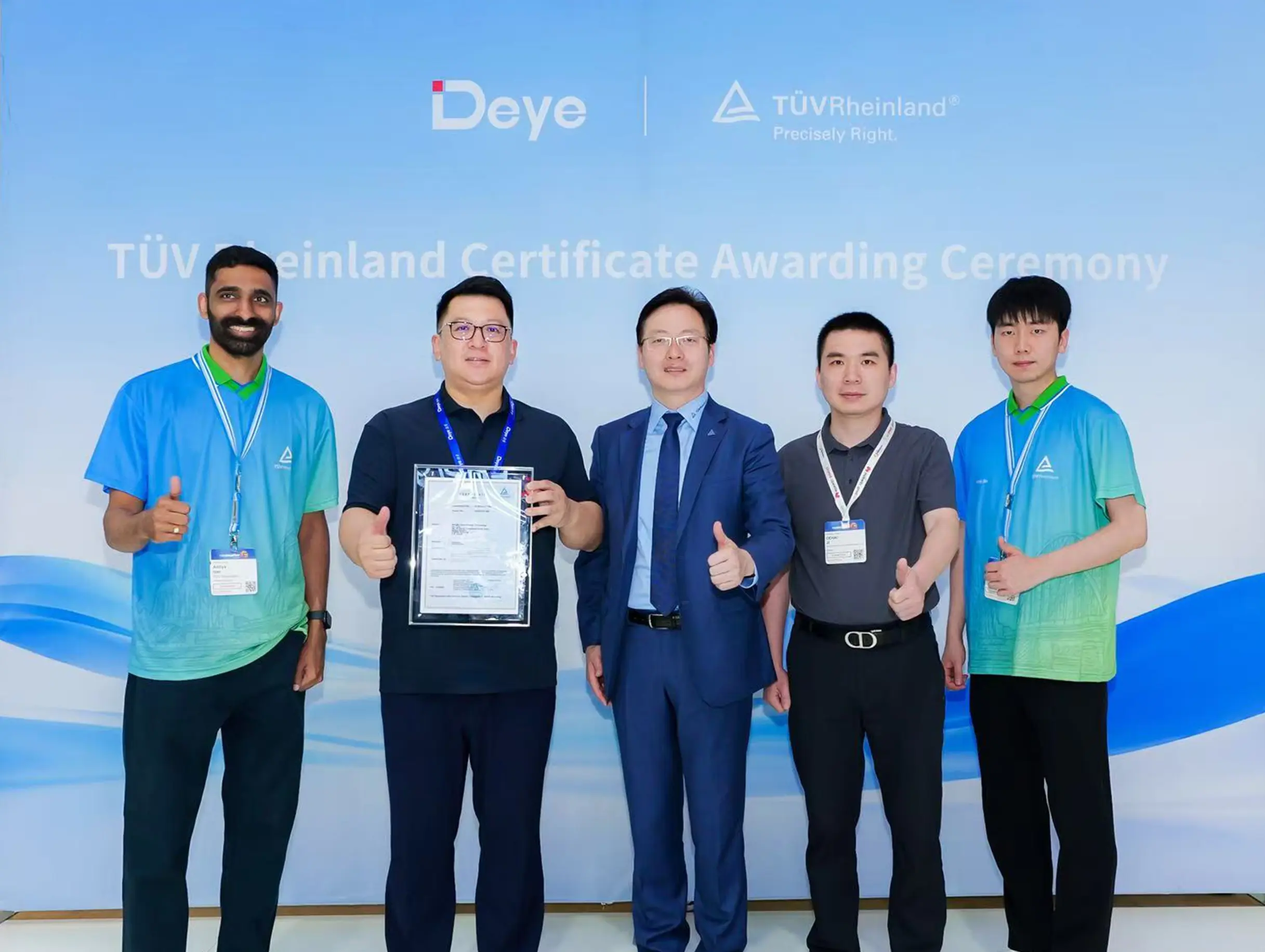 Deye Secures Multiple TÜV Rheinland Certifications at The smarter E Europe
On June 23, the opening day of The smarter E Europe 2026, Deye was officially awarded several presti...

Copyright@ 2024.Ningbo Deye Inverter Technology Co.,Ltd. All rights reserved. Solar Inverter Manufacturer
