
 Online Shop
 English
 China - 简体中文
 Global - English
 Brazil - Português
 Netherlands - Dutch
 Italy - Italiano
 Germany - Deutsch
 Spain - Español
 France - Français
 Vietnam - Tiếng Việt
 Poland - Polski
 Australia - English
 Japan - 日本語
Tan Meiling — Key Account Sales Executive, Hybrid Inverter & ESS

Advanced Inverter Data Logging for Smarter Solar Energy Management
Modern photovoltaic systems are no longer judged only by how much electricity they produce. System owners, installers, operators, and energy managers also need to know how the system is performing, whether communication is reliable, when maintenance is required, and how efficiently the installation is responding to changing operating conditions. A dependable data logger is therefore an important part of a complete solar energy solution.
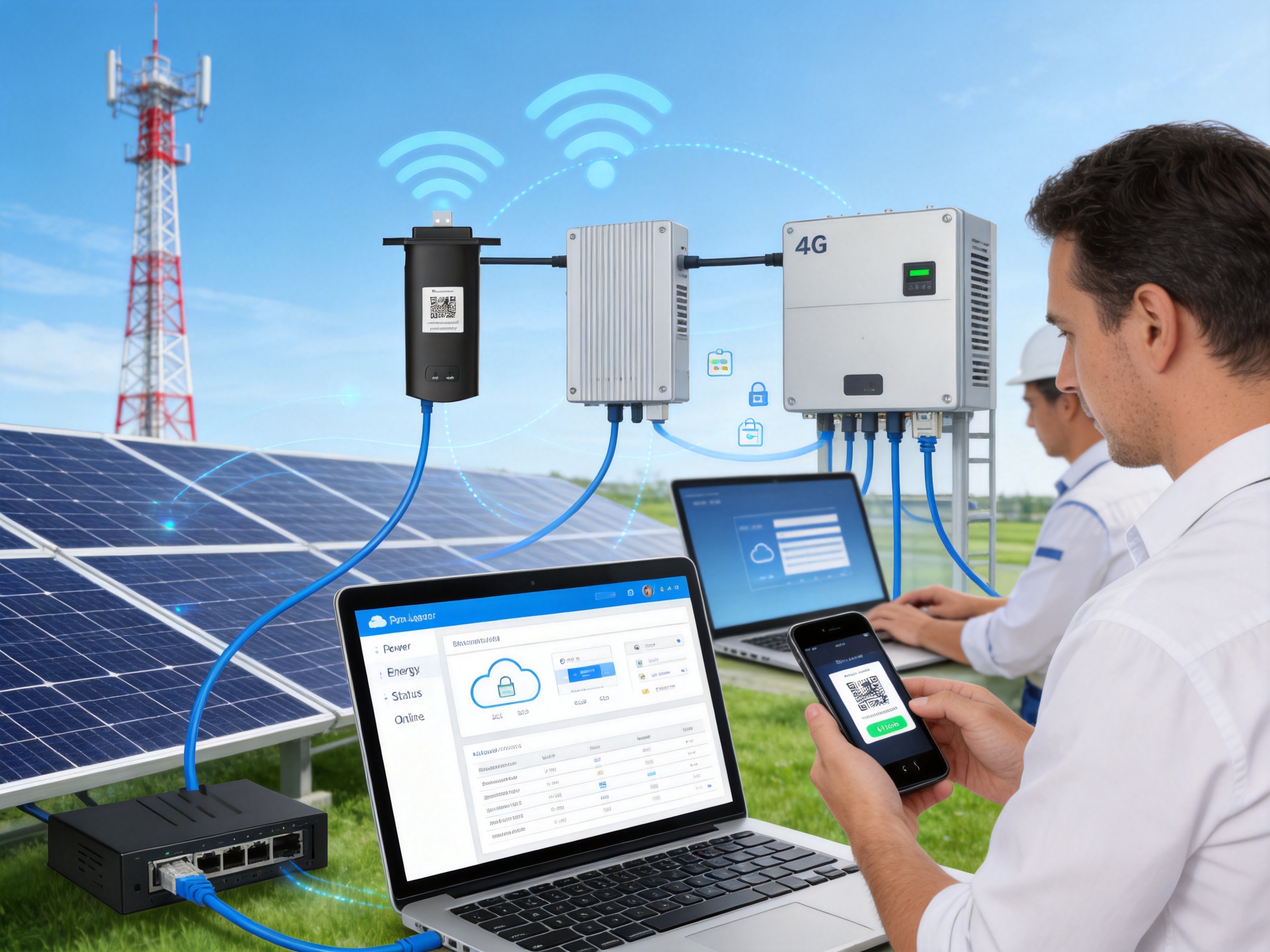
The Deye Data Logger is a communication device designed to collect inverter information and transmit it to the Deye Cloud platform through WiFi, 4G, or Ethernet, depending on the selected model. It provides a practical connection between solar inverters and digital monitoring services, helping users supervise distributed photovoltaic systems over the long term. In addition to data collection, the device supports remote operation, firmware updates, parameter adjustment, transparent MODBUS command transmission, communication diagnostics, and remote debugging.
Its value lies in combining straightforward installation with broad communication capabilities. A basic gateway may only forward inverter data to a monitoring portal. By contrast, this data terminal is designed as a more complete service and management interface. It can support local configuration, remote access, data backfilling after communication interruptions, and app-based local operation through Bluetooth.
For residential, commercial, industrial, and distributed solar applications, these capabilities can reduce the time required for commissioning and troubleshooting. They can also help system owners identify performance changes before a minor issue develops into a larger service problem.
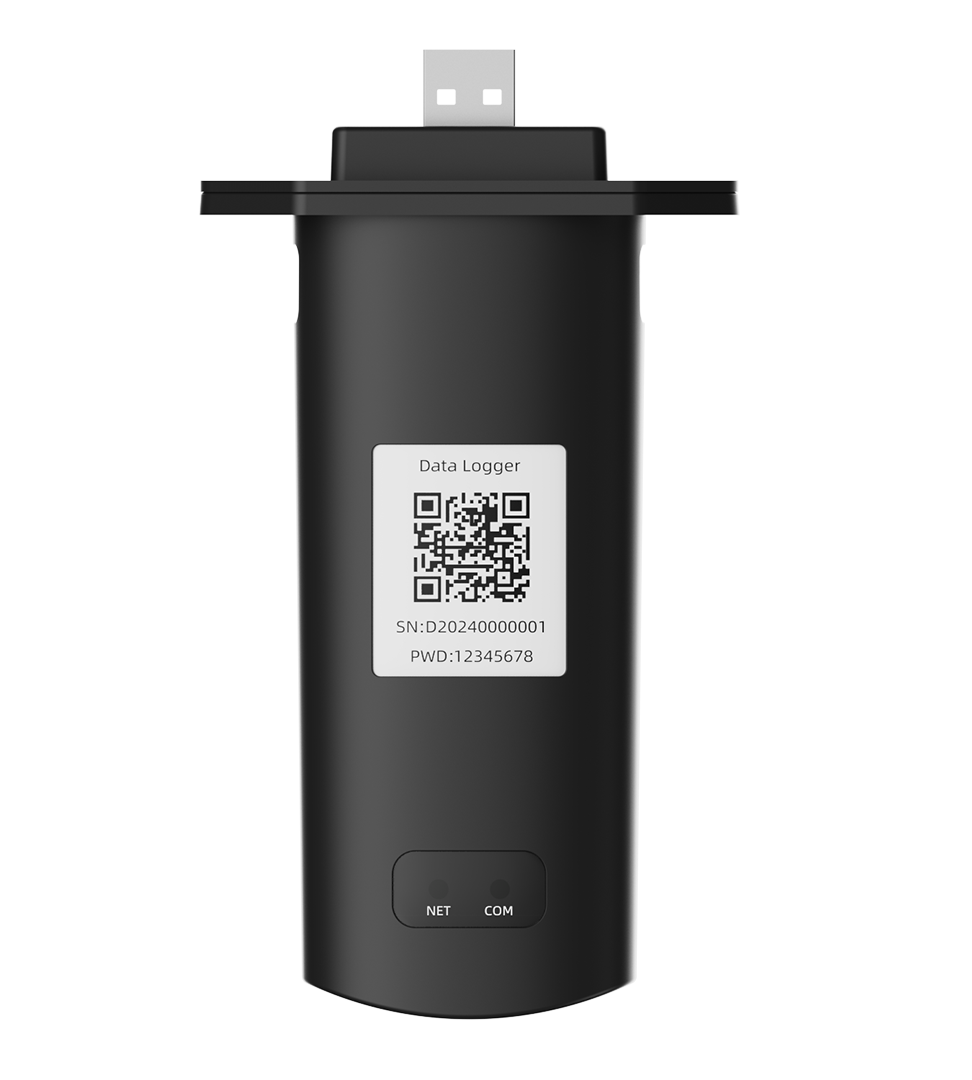
Deye Data Logger
The Role of a Data Logger in a Photovoltaic System
A solar inverter converts the direct current produced by photovoltaic modules into usable alternating current. During this process, it continuously generates operational information, including power output, energy yield, operating status, alarms, communication conditions, and selected electrical parameters. Without a suitable communication device, much of this information may remain available only at the inverter itself.
A data logger collects this information through the inverter’s communication interface and sends it to a remote monitoring platform. In this way, the logger makes operational information available to users who may be far from the installation. A homeowner can review system performance from a mobile application. An installer can check several projects from a service center. An operator can identify underperforming equipment across a distributed portfolio.
The data logger also provides a two-way communication path. It does not merely receive information from an inverter. With the appropriate configuration and authorization, it can support commands for parameter adjustment, real-time control, remote debugging, and other service operations. This two-way capability is especially useful when a system requires assistance but a technician cannot immediately travel to the site.
Communication reliability is essential because monitoring data has little value when it is incomplete or delayed. The Deye Data Logger addresses this requirement through several communication options and an offline data auto-backfill function. If the connection to the cloud platform is temporarily unavailable, stored information can be transmitted after communication is restored, helping preserve the continuity of the system record.
Product Overview
The data terminal is available in several configurations intended for different site communication conditions. The DL1000B-WIFI model is designed for installations with a suitable wireless network. The DL1000B-4G model uses cellular communication and includes a Nano SIM interface. The DL1000B-ETH model adds Ethernet connectivity and also provides WiFi and Bluetooth functions.
All three configurations use a USB data interface and a DC 5 V power supply. They are housed in an IP65-rated enclosure, making them suitable for demanding installation environments when correctly installed and operated within the specified conditions. The standard dimensions are 116.6 mm by 70.5 mm by 30.5 mm, allowing the device to be integrated into a compact inverter communication arrangement.
The logger is designed for plug-and-play installation. This reduces the number of steps required to establish a connection between compatible inverters and the monitoring platform. For installers working on multiple projects, simple commissioning can improve productivity and reduce the possibility of setup errors.
A default data collection interval of one minute provides frequent performance updates for normal monitoring applications. Depending on the model, the collection interval can be adjusted within the specified range. The WiFi and Ethernet configurations support a default one-minute interval with an optional range of one to thirty minutes. The 4G configuration supports a default one-minute interval with an optional range of one to fifteen minutes.
Key Communication Options
WiFi Connectivity
The DL1000B-WIFI version operates in the 2.4 GHz wireless frequency range, from 2400 MHz to 2500 MHz. It uses an onboard antenna and supports BLE 5.3 for local wireless communication. This configuration is appropriate for installations where the inverter is located within the coverage area of a stable WiFi network.
WiFi can be especially convenient in homes, small businesses, and facilities that already have network infrastructure. It avoids the need for a separate mobile data subscription and can simplify deployment when a reliable router is available. The local Bluetooth function can also assist with setup and app-based operation at the site.
The WiFi model has a power dissipation of 1.5 W and an operating temperature range of -40°C to +65°C. Its specified operating humidity range is 10% to 90% without condensation. These specifications support use in a broad range of indoor and protected outdoor photovoltaic environments.
4G Connectivity
The DL1000B-4G version is intended for sites where a fixed network connection is unavailable, inconvenient, or unreliable. It supports LTE-FDD bands B1, B3, B5, B7, B8, B20, and B28, LTE-TDD bands B38, B40, and B41, and GSM bands B2, B3, B5, and B8 for the listed EMEA configuration.
With a built-in antenna and Nano SIM interface, the 4G configuration can provide an independent communication path for remote solar installations. This is useful for agricultural facilities, distributed commercial rooftops, rural projects, temporary installations, and sites where network infrastructure is controlled by a third party.
The 4G version supports BLE 4.2 and has a maximum Bluetooth transmission power of 18 dBm. It has a power dissipation of 3.5 W and an operating temperature range of -30°C to +70°C. Its enclosure is rated IP65, and its standard dimensions are the same as the WiFi version.
Cellular connectivity also offers an operational advantage during troubleshooting. When a site’s local router or wired network is unavailable, the 4G logger can provide a separate route for remote service, provided that suitable cellular coverage and an active SIM service are available.
Ethernet and Combined Connectivity
The DL1000B-ETH version provides 10M/100M Ethernet communication with a maximum direct-connection range of 100 meters under the stated specifications. It also includes WiFi operating from 2400 MHz to 2483.5 MHz, IEEE 802.11b/g/n wireless communication, and BLE 4.2.
This combination gives installers flexibility when designing communication layouts. Ethernet can provide a stable wired connection in a commercial or industrial facility, while WiFi and Bluetooth remain available for local commissioning and service. The ability to select an appropriate connection method can help adapt the logger to the network architecture of the site rather than forcing every project into one communication model.
The Ethernet model has a power dissipation of 1.5 W, an operating temperature range of -40°C to +65°C, and an operating humidity range of 10% to 90% without condensation. Like the other versions, it uses a DC 5 V supply, USB data interface, IP65 protection, and a compact enclosure.
Functional Advantages for Solar System Owners
Continuous Remote Visibility
The primary benefit of the logger is the ability to view inverter operating status and power generation data through the Deye Cloud platform. This makes it possible to check a photovoltaic system without visiting the site every day. Users can review whether the inverter is operating, assess recent energy production, and identify abnormal conditions that require attention.
Remote visibility is particularly valuable for distributed assets. When an operator manages several small installations, the cost of physically inspecting each system can quickly become significant. A centralized digital monitoring process can help prioritize site visits according to actual operating needs.
Offline Data Auto Backfill
Temporary communication interruptions can occur because of router restarts, cellular coverage changes, maintenance, or other network events. If data is simply discarded during an outage, the monitoring record becomes incomplete. The logger’s offline data auto-backfill function is designed to preserve and transmit data collected during an interruption once the connection is restored.
This function improves the usefulness of historical reports and supports more reliable performance analysis. It can also help distinguish a communication failure from an inverter operating problem. A missing data period does not necessarily mean that the photovoltaic system stopped producing power; backfilled information can provide a clearer picture of what happened during the interruption.
One-Minute Data Refresh
A one-minute default refresh interval provides a practical balance between data visibility and communication efficiency. Users can observe changes in power output without relying only on occasional daily summaries. The adjustable collection interval also allows the system to be configured according to the project’s monitoring requirements and communication limitations.
More frequent updates may be useful for service teams investigating system behavior. A longer interval can be appropriate for applications where only general production trends are required or where communication traffic must be minimized.
Remote Operation and Parameter Adjustment
The device supports remote monitoring and operation, as well as inverter parameter adjustment. Subject to system permissions, configuration requirements, and compatible equipment, authorized personnel can make selected changes without traveling to the site.
Remote access can shorten response times and reduce service costs. It is also beneficial for installers who need to complete commissioning checks after equipment has been installed by a local team. Instead of sending a specialist to every location, a qualified engineer can review the system and assist remotely.
Because parameter adjustment can affect system behavior, remote operations should be performed only by trained and authorized personnel. Proper access control, documented procedures, and confirmation of the intended settings remain essential parts of professional system management.
OTA Firmware Upgrades
The data logger supports local and remote over-the-air firmware upgrades, depending on the model and operating method. Firmware updates can help maintain compatibility, improve functions, and support long-term product service.
Local OTA is useful during commissioning or on-site maintenance. Remote OTA is valuable when a fleet of devices must be updated without sending technicians to each installation. For a large distributed portfolio, this capability can substantially simplify lifecycle management.
Communication Status Diagnostics
Communication status diagnostics help users and technicians evaluate the connection between the inverter, the logger, the local network or cellular service, and the remote platform. This can make troubleshooting more systematic.
Instead of immediately assuming that an inverter has failed, a service team can check whether the issue is related to network availability, device communication, power supply, SIM status, or cloud access. Better diagnosis can reduce unnecessary equipment replacement and help direct attention to the actual source of the problem.
Technical Architecture and Local Service Functions
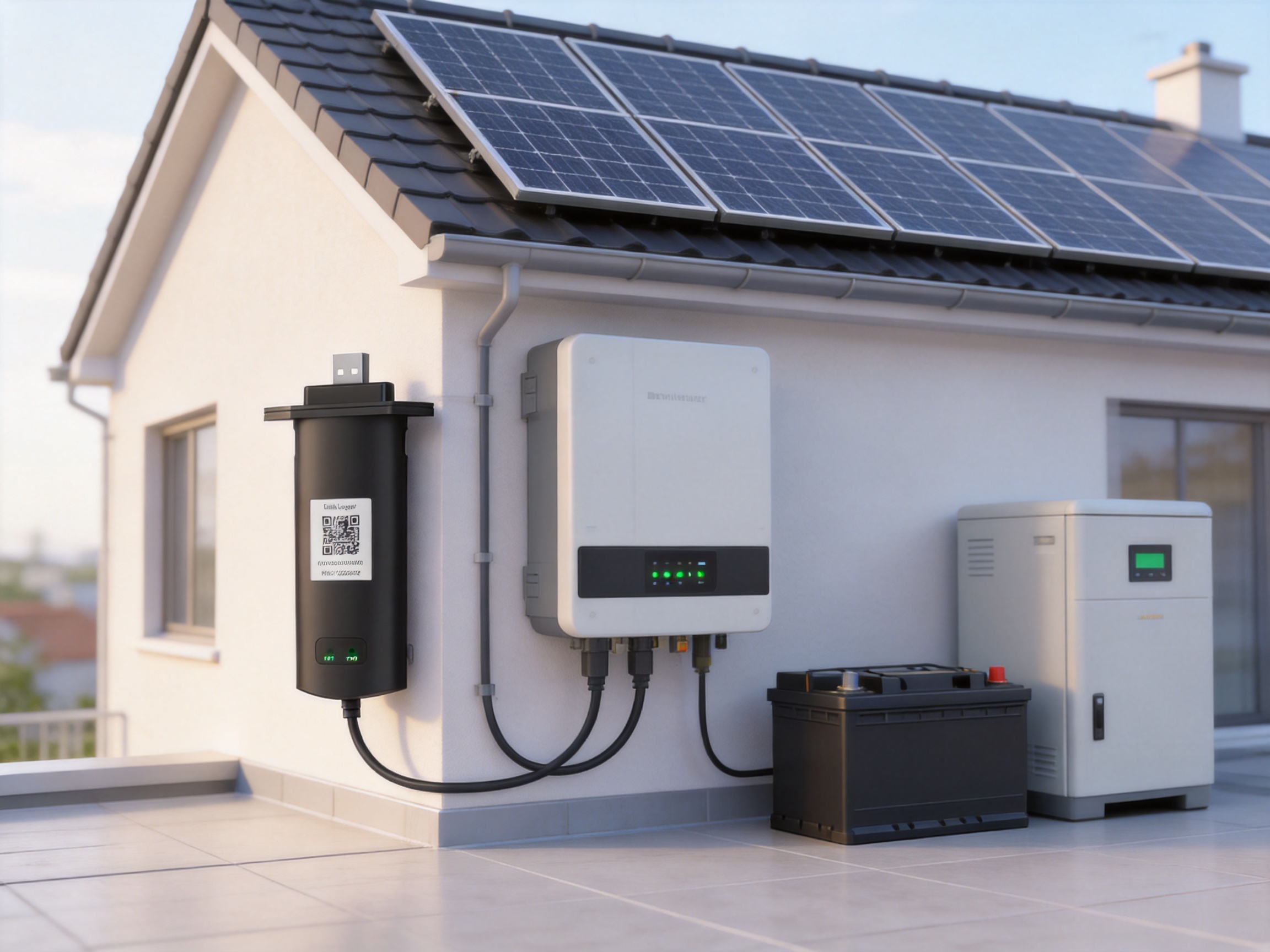
The logger’s architecture combines inverter communication, local wireless access, remote cloud connectivity, and software-based management. Its USB data interface provides the physical connection to compatible equipment, while WiFi, 4G, or Ethernet provides the path to the monitoring platform.
The device supports a default serial communication speed of 9600 bps. User configuration can be completed through AT commands or a local web page, depending on the model and application. These options give installers different ways to configure communication parameters and connect the device to the required operating environment.
Bluetooth support provides an additional local service channel. The WiFi model supports BLE 5.3, while the 4G and Ethernet models support BLE 4.2. Through the app local mode, an authorized user can interact with the device at the installation site without relying exclusively on a remote cloud connection.
Local operation is important during initial commissioning because the installer may need to verify device status before the remote platform is fully configured. It is also useful when a site has temporarily lost its internet connection but the technician is physically present.
The support for MODBUS command transparent transmission offers another important capability. MODBUS is widely used in industrial and energy equipment communication. Transparent transmission allows commands or data to pass through the communication channel in a way that can support advanced integration and troubleshooting functions, subject to compatibility and access permissions.
Comparison with Basic Monitoring Gateways
Many simple monitoring gateways focus on one task: forwarding selected inverter data to a web portal. That approach may be sufficient for a small installation, but it can become limiting as the system grows or as service requirements become more complex.
The Deye Data Logger offers several advantages over a basic single-purpose gateway. First, it provides multiple connectivity choices. WiFi, 4G, and Ethernet versions allow the communication method to be selected according to site conditions. Second, it supports both local and remote service functions. Third, it includes offline data backfilling, reducing the impact of temporary communication failures. Fourth, it supports firmware upgrades, parameter adjustment, transparent MODBUS command transmission, and remote debugging.
Another advantage is the combination of compact hardware and broad software functions. The enclosure measures 116.6 mm by 70.5 mm by 30.5 mm, while the device still provides communication indicators, local configuration options, and remote management features. This can be useful where installation space is limited or where a large communication cabinet is unnecessary.
The product also offers practical flexibility for different project types. WiFi can be suitable for a home installation with an existing router. 4G can serve a remote site without local internet access. Ethernet can be selected where a wired network is preferred. A competitor’s gateway that supports only one network type may require additional equipment or a different installation strategy.
These advantages do not eliminate the need to verify compatibility, network coverage, platform requirements, and local regulations. However, they can make the logger a more adaptable choice for projects that require dependable communication and long-term service access.
Designed for Different Solar Applications
Residential Photovoltaic Systems
Homeowners generally want a clear view of energy production, system status, and possible alarms. A plug-and-play data logger can make the monitoring system easier to establish and maintain. WiFi is often practical in residential settings because an internet router is already available, while Bluetooth local mode can simplify setup through a mobile application.
Remote monitoring also gives installers a way to provide after-sales support without requiring a visit for every question. If the homeowner reports an unexpected change in production, the service team can review available data and determine whether the issue may be caused by weather, grid conditions, communication loss, or inverter operation.
Commercial Rooftops
Commercial facilities often have larger electricity loads and stronger requirements for operational continuity. Ethernet may be preferred when a stable wired network is available. WiFi may be selected where cabling is difficult, and 4G may be useful as a primary or backup connection.
For commercial building owners, monitoring can support energy reviews and maintenance planning. Production records can be compared with expected system behavior, and abnormal performance can be identified before it significantly affects energy savings.
Industrial and Distributed Installations
Industrial and distributed projects may include multiple inverters located across a large area. Remote management and centralized monitoring can reduce the need for frequent physical inspections. The logger’s remote operation, data backfill, firmware update, and diagnostic functions are especially relevant when service teams manage assets in different locations.
The Ethernet version’s stated 100-meter maximum direct-connection range may be useful for selected network layouts. Larger sites may require additional network equipment or a site-specific communication design. The important benefit is that the logger can be integrated into a broader communication architecture instead of being limited to a single local connection type.
Remote and Rural Sites
Remote photovoltaic systems may not have dependable fixed-line internet service. The 4G version provides a communication option based on mobile network coverage and a Nano SIM. This can support solar installations serving agricultural operations, remote facilities, monitoring stations, and other locations where a conventional network connection is difficult to establish.
Before selecting a cellular logger, installers should confirm network availability, supported frequency bands, data plans, SIM activation, and local environmental conditions. With these factors properly addressed, 4G communication can help bring remote solar assets into a centralized service platform.
Environmental and Hardware Design
The data logger is specified with IP65 ingress protection. This rating indicates protection against dust ingress and water jets from specified directions when the enclosure is correctly closed and installed. It does not mean the device should be submerged or exposed beyond the conditions defined by the installation instructions.
The WiFi and Ethernet models have an operating temperature range from -40°C to +65°C. The 4G model is specified from -30°C to +70°C. These ranges are intended to support use in varied climates, although actual installation conditions should always be checked against the product documentation.
The WiFi model has a storage temperature range of -45°C to +90°C, while the 4G and Ethernet versions have storage limits listed within their respective technical specifications. Storage humidity is specified as below 40%, and operating humidity must remain within the relevant non-condensing range.
LED indicators for network and communication status provide immediate visual information. These indicators can help an installer determine whether the device is powered, communicating with the inverter, and connected to the network. Simple status feedback is particularly useful during commissioning and on-site troubleshooting.
The compact enclosure, low power consumption of 1.5 W for the WiFi and Ethernet versions, and 3.5 W for the 4G version support efficient system integration. The device can be installed without requiring a large dedicated communications enclosure, provided that the installation follows the applicable instructions.
Manufacturing Strengths and Product Development Capability
The company behind the data logger, Ningbo Deye Inverter Technology Co., Ltd., was founded in 2000 and operates as a technology manufacturing enterprise integrating research and development, design, production, sales, and service. This integrated structure is an important strength for a communication product that must work closely with inverters, monitoring software, and after-sales support systems.
When product development, manufacturing, and service are connected within one organization, feedback from installers and system operators can be incorporated more efficiently into future product improvements. It also allows the company to coordinate hardware design, communication protocols, firmware functions, platform integration, and technical support as parts of one product ecosystem.
Deye’s wider portfolio includes string inverters, energy storage inverters, microinverters, energy storage systems, electric vehicle charging products, and environmental appliances. This range gives the company experience across several parts of the distributed energy system. A data logger developed within this broader product environment can be designed with a clearer understanding of inverter operation and energy management requirements.
The company’s inverter and energy storage businesses have established research and development capabilities and production scale. Its products are sold in more than 140 countries and regions. International deployment creates practical requirements for different climates, communication environments, grid conditions, installer practices, and service models. These requirements can contribute to a more adaptable approach to product engineering.
Being listed on the Shanghai Stock Exchange since April 2021 also reflects the company’s position as an established public manufacturing enterprise. Public-company status does not by itself guarantee the performance of an individual product, but it can support investment in research, manufacturing capacity, supply-chain management, product documentation, and long-term service infrastructure.
The data logger reflects the company’s broader move toward an energy Internet of Things ecosystem. In such an ecosystem, inverters and energy storage equipment are not isolated devices. They are connected assets that exchange operational information with cloud platforms, mobile applications, service teams, and energy management tools.
Integrated R&D and Production
The logger combines wireless communication, cellular communication or Ethernet, Bluetooth, inverter interfacing, cloud connectivity, storage for data backfilling, and firmware management. Developing this combination requires coordination between electronic hardware design, embedded software, communication protocols, mechanical design, and platform services.
An integrated R&D and manufacturing organization is well positioned to coordinate these areas. It can evaluate the logger not only as an independent device but also as part of a complete inverter installation. This system-level perspective helps improve compatibility and makes it easier to align the data terminal with the operational needs of photovoltaic and energy storage products.
The product’s multiple model configurations also demonstrate a modular approach to communication requirements. Rather than using one identical connectivity solution for every site, the product family provides dedicated WiFi, 4G, and Ethernet options. This can simplify product selection and allow distributors and installers to support a wider range of projects.
Manufacturing for Long-Term Deployment
Solar equipment is expected to operate for many years. A communication device installed alongside an inverter must therefore support continued monitoring, maintenance, software updates, and changing service requirements. Features such as remote OTA, remote debugging, configurable collection intervals, and backfilled data are useful because they extend the practical service value of the hardware beyond initial commissioning.
The company’s experience in producing equipment for residential, commercial, industrial, and utility applications provides a foundation for designing products that address different levels of system complexity. A logger used in a small residential system may require simplicity, while a logger used across a commercial portfolio may require greater remote management capability. A single product family can support these different needs through model selection and software configuration.
Service and Global Market Experience
International sales require more than manufacturing capacity. They also require product documentation, technical support, spare-parts planning, firmware maintenance, and communication with installers in different markets. The company’s global market presence supports the development of these service-related capabilities.
For a data logger, after-sales service is particularly important because communication problems may involve hardware, software, local networks, cellular providers, inverter settings, or cloud accounts. A manufacturer with experience across the complete solar equipment chain can provide more relevant support than a supplier focused only on generic networking hardware.
Security and Operational Reliability
The product supports encrypted data transmission. This is important because photovoltaic monitoring data may include information about energy production, equipment status, site operation, and system configuration. Encryption helps protect information while it travels between the local device and remote services.
Security should be considered together with good operational practice. Installers should use strong account credentials, restrict access to authorized personnel, keep firmware current, and avoid sharing configuration details unnecessarily. Remote control and parameter adjustment should be enabled and used according to the system owner’s security policies.
Wireless reliability is supported through dedicated WiFi, 4G, Ethernet, and Bluetooth configurations, depending on the selected model. A high-reliability wireless design can help maintain communication in practical installation environments, but network planning remains important. The location of the logger, signal strength, interference, antenna conditions, router configuration, and cellular coverage can all affect actual performance.
Communication indicators and diagnostic functions provide an additional reliability benefit. When the logger reports a network or communication condition, a technician can use that information to make a more informed service decision. This is preferable to relying only on a general “offline” message in a cloud platform.
Installation and Commissioning Considerations
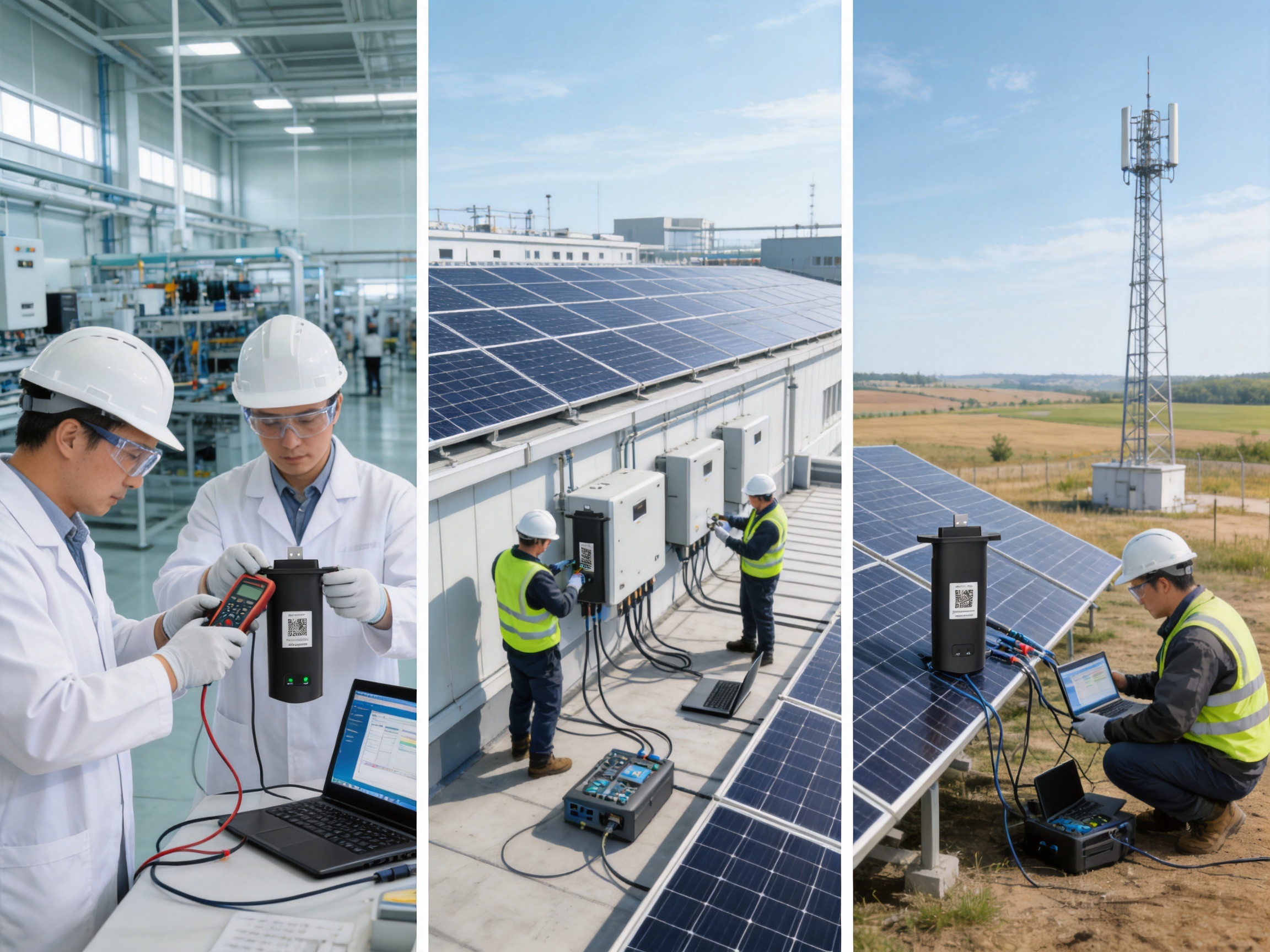
Although the device is designed for plug-and-play setup, professional installation still requires planning. The installer should confirm that the selected logger model matches the available communication infrastructure and the supported inverter arrangement. Power supply requirements, USB connection, mounting location, network access, and environmental exposure should be reviewed before installation.
For a WiFi installation, the installer should verify that the 2.4 GHz network is available at the logger’s location and that the network credentials and security settings are known. For a 4G installation, the SIM should be activated and the site should have adequate cellular coverage. For an Ethernet installation, the network cable, switch, router, IP configuration, and physical distance should be checked.
After powering the device, the communication and network LEDs can be used as an initial status reference. The installer can then configure the device through the relevant local method, such as AT commands, local web page configuration, or Bluetooth app local mode where supported.
A complete commissioning process should include confirmation that the inverter is recognized, the data is reaching the Deye Cloud platform, the refresh interval is correct, and historical records are being generated. If remote operation is required, the installer should verify authorization and test the relevant functions under controlled conditions.
For systems that may experience intermittent network service, the data backfill function should be considered part of the commissioning review. The installer can confirm the expected behavior of the device and explain to the system owner how temporary communication interruptions may appear in the monitoring platform.
Technical Specification Summary
| Item | DL1000B-WIFI | DL1000B-4G | DL1000B-ETH |
|---|---|---|---|
| Primary connectivity | WiFi | 4G cellular | Ethernet and WiFi |
| Bluetooth | BLE 5.3 | BLE 4.2 | BLE 4.2 |
| Data interface | USB | USB | USB |
| Power supply | DC 5 V | DC 5 V | DC 5 V |
| Power dissipation | 1.5 W | 3.5 W | 1.5 W |
| Data collection interval | Default 1 minute; 1–30 minutes optional | Default 1 minute; 1–15 minutes optional | Default 1 minute; 1–30 minutes optional |
| Ingress protection | IP65 | IP65 | IP65 |
| Dimensions | 116.6 × 70.5 × 30.5 mm | 116.6 × 70.5 × 30.5 mm | 116.6 × 70.5 × 30.5 mm |
| Serial speed | Default 9600 bps | Default 9600 bps | Default 9600 bps |
| OTA functions | Local and remote OTA | Remote OTA | Remote OTA |
| Special functions | Real-time control and data backfilling | Real-time control and data backfilling | Real-time control and data backfilling |
The table summarizes the main published specifications. Actual application compatibility should be confirmed against the latest product documentation and the inverter model being installed.
Why Data Quality Matters for Solar Operations
Accurate and continuous data supports more than a convenient mobile display. It can help identify gradual performance declines, unusual production patterns, recurring communication issues, and differences between expected and actual output.
For an installer, high-quality data can improve service efficiency. A technician can review the system history before arriving at the site, prepare the required tools, and determine whether the issue is likely to be electrical, mechanical, environmental, or communication-related.
For a commercial owner, reliable records can support energy management decisions. Production information can be compared with facility demand, operating schedules, and maintenance activities. When energy storage or other controllable equipment is included, monitoring information can also support a broader view of the site’s energy behavior.
For a portfolio operator, centralized monitoring enables prioritization. Sites with repeated alarms, unexpected production changes, or long communication gaps can be identified for investigation. Sites operating normally can remain under remote supervision, reducing unnecessary inspections.
Data backfilling is especially relevant to long-term analysis. A short communication outage should not automatically create a permanent gap in the production record. By restoring stored information after reconnection, the logger can help preserve the continuity required for more meaningful operational evaluation.
Practical Advantages for Installers and Distributors
Installers benefit from the product’s simple physical integration and range of network choices. A standard compact design can make inventory management more straightforward, while the availability of WiFi, 4G, and Ethernet versions allows distributors to address different customer requirements.
Remote configuration and OTA support can reduce service travel. When a problem can be resolved through authorized remote access, the installer may avoid the cost and scheduling delay associated with a site visit. This is particularly useful for projects located far from the service center.
The product also supports a more structured handover process. During commissioning, the installer can configure the logger, establish the cloud connection, confirm data refresh, and explain local app access to the customer. A clear monitoring process can increase customer confidence in the installed photovoltaic system.
For distributors, the product fits within a broader portfolio of solar inverters, energy storage equipment, and energy management solutions. This can simplify system proposals when customers want a coordinated hardware and monitoring ecosystem from one established manufacturer.
Selection Guide: Choosing the Right Version
Choose WiFi When:
The site has dependable 2.4 GHz wireless coverage, the owner prefers to use an existing internet connection, and a separate cellular subscription is not required. This option can be suitable for many residential and small commercial installations.
Choose 4G When:
The site lacks reliable fixed internet access, is located in a rural or remote area, or requires an independent cellular communication path. The installer must confirm supported bands, cellular coverage, SIM availability, and data service conditions.
Choose Ethernet When:
The facility has a stable wired network and the installation benefits from a direct network connection. Ethernet can be appropriate for commercial and industrial locations where network infrastructure is already available and cable routing is practical.
In every case, the selection should consider inverter compatibility, installation environment, network security, data requirements, and the service strategy for the life of the system.
Frequently Asked Questions
What is the main purpose of the data logger?
The main purpose is to collect inverter operating and power generation data and transmit it to the Deye Cloud platform through WiFi, 4G, or Ethernet, depending on the model. It also supports selected remote management and service functions.
Does the device support remote monitoring?
Yes. The data logger supports remote monitoring and operation through the associated monitoring ecosystem, subject to compatible equipment, account permissions, network availability, and proper configuration.
What happens if the internet connection is interrupted?
The device supports offline data auto backfill. Data collected during a communication interruption can be transmitted after the connection is restored, helping maintain a more complete historical record.
How often does the logger collect data?
The default collection interval is one minute. The WiFi and Ethernet models support an optional interval from one to thirty minutes, while the 4G model supports an optional interval from one to fifteen minutes.
Can the logger be updated remotely?
Yes. The product family supports OTA functions. The WiFi model lists local and remote OTA, while the 4G and Ethernet models list remote OTA. The precise update procedure should follow the relevant product documentation.
Does it support Bluetooth?
Yes. The WiFi version supports BLE 5.3, and the 4G and Ethernet versions support BLE 4.2. Bluetooth enables local interaction, including app local mode where supported.
Can technicians adjust inverter parameters remotely?
The device supports inverter parameter adjustment and remote debugging. These functions should be used only by qualified and authorized personnel because incorrect settings may affect system operation.
Is the device suitable for outdoor installation?
The enclosure is specified as IP65, and the models have defined operating temperature and humidity ranges. The device should nevertheless be installed according to the official instructions, with appropriate protection from conditions outside its rated limits.
What communication method is best for a remote solar site?
For a remote site without dependable fixed internet access, the 4G version may be appropriate if supported cellular coverage and an active Nano SIM service are available. A site survey should be completed before selection.
What is the advantage of Ethernet compared with WiFi?
Ethernet can provide a stable wired connection where suitable network infrastructure exists. WiFi may be easier to deploy where cabling is difficult. The correct choice depends on the site network, distance, interference conditions, and installation preferences.
Does the logger use encrypted data transmission?
Yes. Encrypted data transmission is listed among the product’s features. Users should also apply sound account, password, firmware, and access-control practices.
What makes this product different from a basic gateway?
In addition to data forwarding, it supports offline data backfilling, local and remote OTA, remote monitoring and operation, communication diagnostics, transparent MODBUS command transmission, parameter adjustment, remote debugging, and Bluetooth local mode. These functions can provide greater value for long-term service and fleet management.
Who manufactures the product?
The product is manufactured by Ningbo Deye Inverter Technology Co., Ltd., a technology manufacturing enterprise founded in 2000 with activities covering research and development, design, production, sales, and service.
Conclusion
A data logger is a small device with a significant role in the operation of a modern photovoltaic system. It connects inverter equipment with cloud-based monitoring, local service tools, and remote management functions. When communication is dependable and operational records are complete, system owners and service teams can make better decisions.
The Deye Data Logger provides a broad feature set in a compact IP65 enclosure. Its WiFi, 4G, and Ethernet configurations address different site communication conditions, while Bluetooth local mode supports convenient commissioning and service. One-minute data collection, offline data backfilling, encrypted transmission, communication diagnostics, OTA updates, transparent MODBUS transmission, and remote operation make the product more than a simple data gateway.
Its strongest advantages are flexibility, serviceability, and integration with a wider solar and energy storage ecosystem. Compared with basic monitoring devices that only forward information, it offers a more complete approach to system communication and lifecycle management.
The manufacturing strength of Ningbo Deye Inverter Technology Co., Ltd. further supports this product strategy. The company combines R&D, design, production, sales, and service, while maintaining a broad portfolio of inverters, energy storage systems, and energy management products. Its international market presence and experience in distributed energy applications provide a foundation for developing communication equipment suited to diverse solar projects.
For homeowners, installers, commercial operators, and distributed energy managers, the data logger can help transform inverter information into useful operational insight. Correct model selection, professional installation, secure configuration, and regular system management will ensure that the device delivers its intended value throughout the life of the photovoltaic installation.
References
Deye Data Logger Product Information, including DL1000B-WIFI, DL1000B-4G, and DL1000B-ETH specifications.
Deye Data Logger Datasheet, English edition, product documentation dated June 2026.
Ningbo Deye Inverter Technology Co., Ltd. Corporate Information and Product Portfolio Summary.
General principles of photovoltaic inverter communication, remote monitoring, data acquisition, and energy asset management.
Product: Deye Data Logger
PREV:600–1000W Single-Phase Microinverter for High-Performance Residential Solar Systems
NEXT:Smart EV Charging for Solar-Powered Homes and Energy Systems
Share
Product recommendations
news recommendations
-
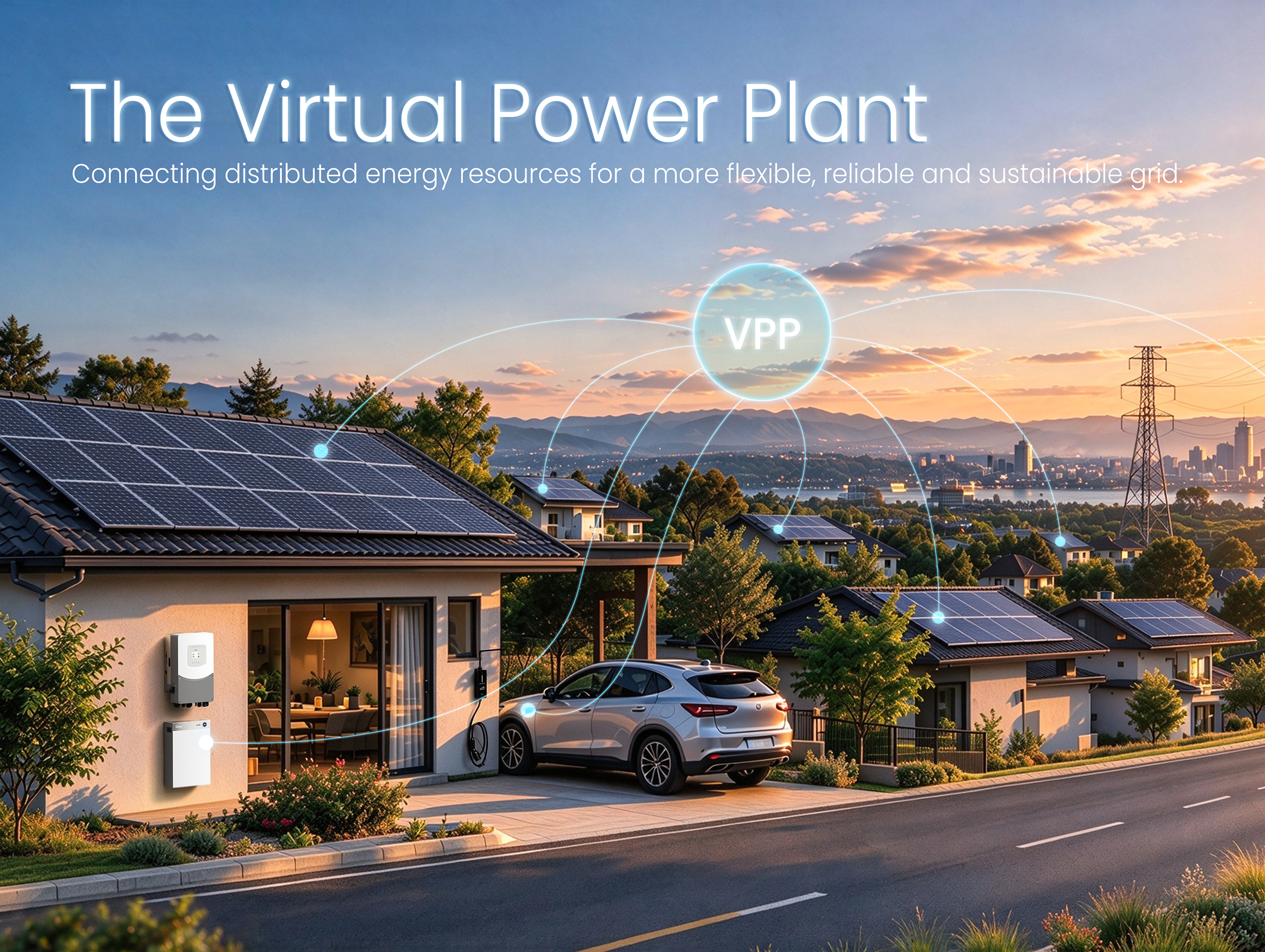 From Centralized Grids to Virtual Power Plants: The Next Evolution of the Power System
For more than a century, power systems around the world have relied on a centralized model. Large p...
-
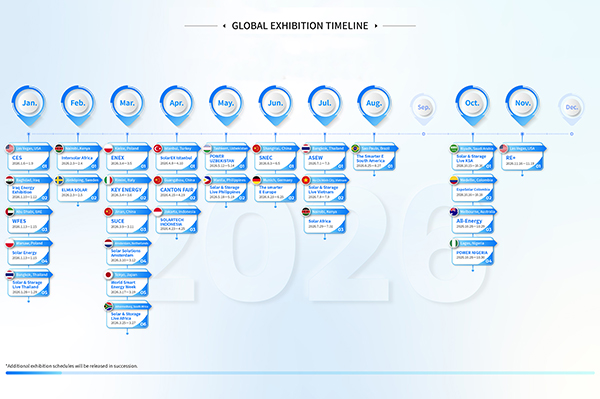 GLOBAL EXHIBITION TIMELINE
*Click to view larger image
-
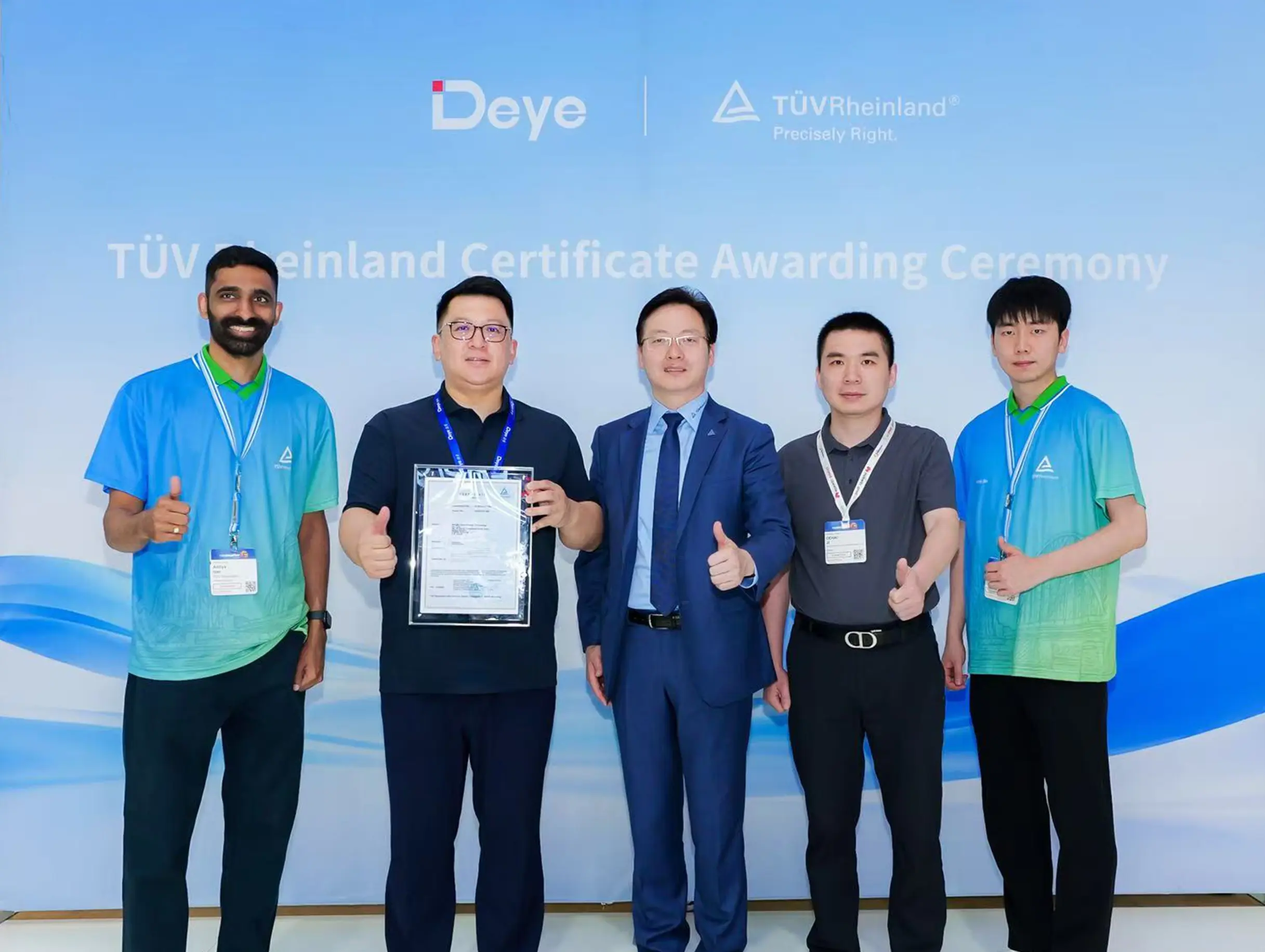 Deye Secures Multiple TÜV Rheinland Certifications at The smarter E Europe
On June 23, the opening day of The smarter E Europe 2026, Deye was officially awarded several presti...

Copyright@ 2024.Ningbo Deye Inverter Technology Co.,Ltd. All rights reserved. Solar Inverter Manufacturer
