
 Online Shop
 English
 China - 简体中文
 Global - English
 Brazil - Português
 Netherlands - Dutch
 Italy - Italiano
 Germany - Deutsch
 Spain - Español
 France - Français
 Vietnam - Tiếng Việt
 Poland - Polski
 Australia - English
 Japan - 日本語
Tan Meiling — Key Account Sales Executive, Hybrid Inverter & ESS

Module-Level PV Optimization for Safer, Smarter, and Higher-Yield Solar Arrays
In modern photovoltaic systems, the value of every watt is increasing. Solar owners, installers, engineering companies, and asset managers no longer judge a PV project only by panel capacity or inverter rating. They increasingly evaluate how effectively the system converts sunlight into usable energy under real-world conditions, how quickly faults can be identified, how safely the DC side can be controlled, and how easily the system can be maintained over many years. The SUN-XL02-B module-level optimization device is designed for this practical environment. It combines module-level maximum power point tracking, real-time monitoring capability, power-line carrier communication, and rapid shutdown support in a compact, weather-resistant accessory for photovoltaic arrays.
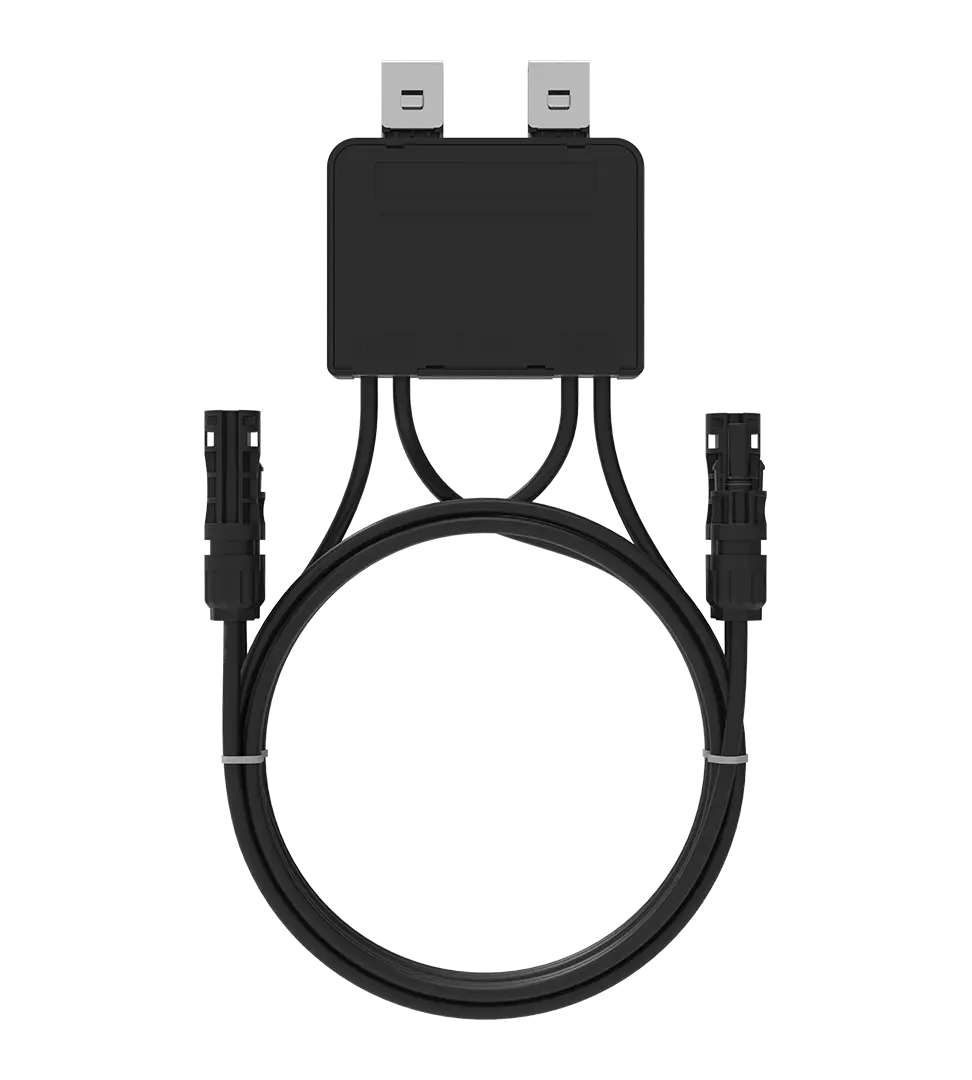
The product belongs to the Accessory & Monitoring category, but its role is broader than a simple accessory. It functions as an intelligent module-level optimizer that helps each PV module operate closer to its best electrical point instead of being constrained by weaker modules in the same string. This is especially important on rooftops, commercial buildings, industrial plants, and distributed PV installations where shading, orientation differences, dirt, aging, and module mismatch are common. In ideal laboratory conditions, all modules may behave similarly. In actual field conditions, however, no two modules perform exactly the same every day. The SUN-XL02-B addresses this difference by tracking the maximum power point at the module level and supporting more precise system supervision.
One of its most important advantages is the potential increase in power generation capacity. Through module-level maximum power point tracking, the product can help raise power generation by approximately 5% to 25%, depending on site conditions. This range is significant because the financial performance of solar projects is measured over years or decades. Even a modest gain in annual energy yield can improve return on investment, while a larger gain in partially shaded or unevenly arranged arrays can meaningfully change project economics. Instead of accepting losses caused by one underperforming module dragging down a string, the system can work more intelligently at the module level.
Another major advantage is monitoring. Real-time monitoring of each photovoltaic module’s operating status allows maintenance teams to detect issues earlier and troubleshoot with greater accuracy. In conventional systems without module-level visibility, a drop in output may be visible only at the string, inverter, or plant level. Locating the exact failed or underperforming module can require manual inspection, electrical testing, and time-consuming rooftop work. With module-level monitoring, fault localization becomes more direct. This reduces downtime, improves service efficiency, and supports safer maintenance planning.
Communication design is also a key competitive strength. The SUN-XL02-B uses photovoltaic cable carrier communication, also described as PLC communication, which means communication can be carried through existing PV cables instead of requiring additional communication wiring. For installers, this reduces complexity. For project owners, it can reduce installation labor, avoid extra cable routing, and support cleaner system architecture. In distributed PV installations, where cable management and installation time directly affect cost and reliability, this is a practical and valuable design decision.
The device also supports a rapid shutdown function when used with optimizer concentrators. This function quickly reduces the DC voltage of the photovoltaic array to a safer range. Rapid shutdown is increasingly important in markets where electrical safety requirements are strict and where emergency responders, operation teams, and building owners expect safer PV systems. High-voltage DC arrays require careful design and control. By supporting rapid shutdown architecture, the SUN-XL02-B helps improve system safety and aligns with the industry trend toward safer rooftop and distributed solar installations.
Product Positioning in the Modern PV System
The SUN-XL02-B is not an inverter, a battery, or a PV module. Its value lies in its ability to improve how PV modules interact with the rest of the system. In a conventional string arrangement, modules are connected in series, and current limitation can occur when one module is shaded, soiled, aged, damaged, or simply operating at a different temperature. This mismatch may reduce the output of the entire string. Module-level optimization is an answer to that problem. It creates a more flexible operating environment where each module can contribute more effectively.
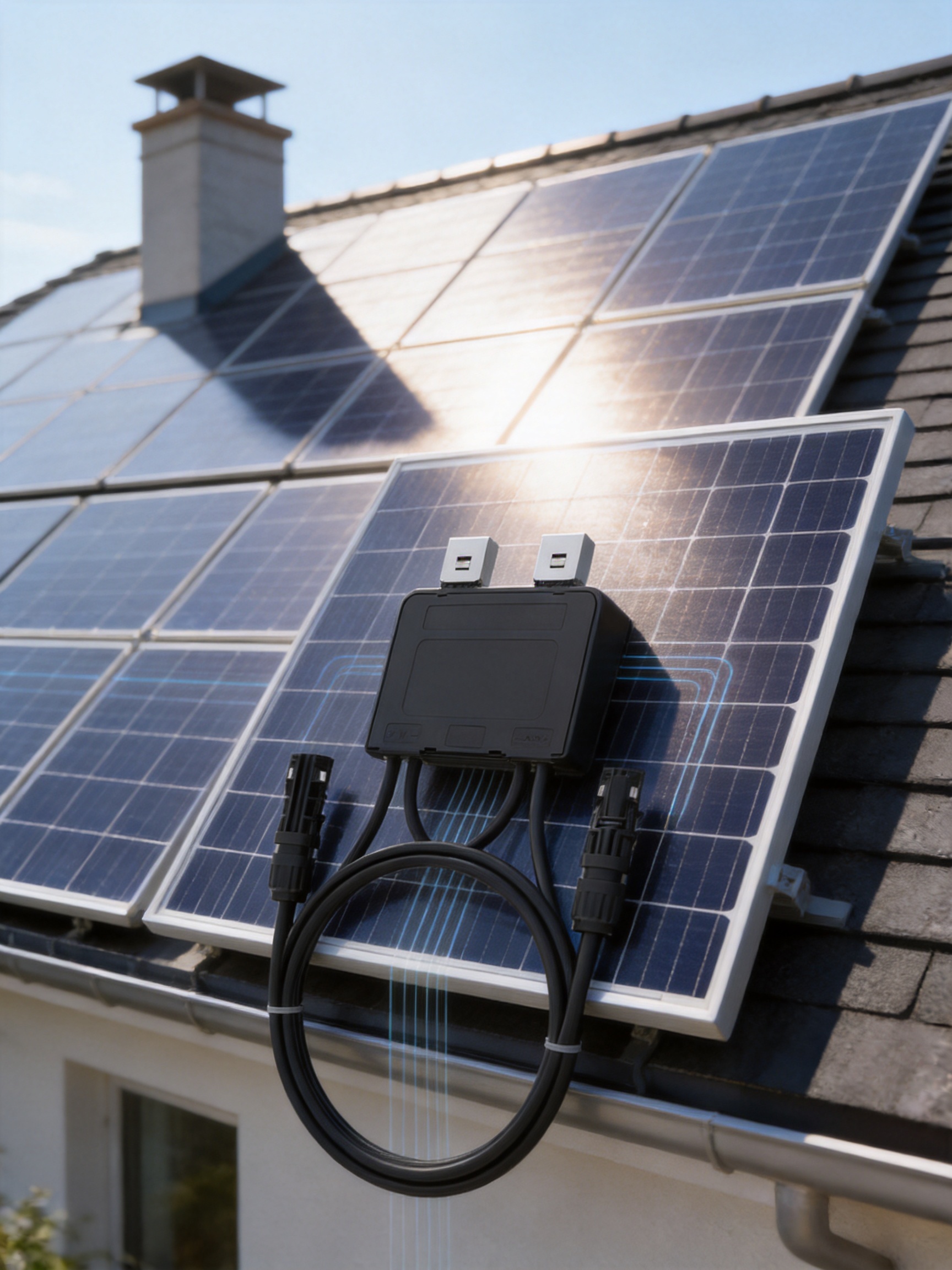
This product is especially relevant for residential rooftops, commercial buildings, industrial facilities, schools, hospitals, agricultural buildings, and complex roof structures. In these applications, PV modules are often placed across roof sections with different angles, directions, shading patterns, or ventilation conditions. A chimney, parapet, tree, antenna, adjacent building, HVAC unit, or dust accumulation can affect some modules more than others. In such cases, the SUN-XL02-B can help reduce losses and provide the visibility needed to manage performance.
For installers, the product offers a clear value proposition: higher system intelligence without excessive wiring complexity. Its compact size of 105 × 105 × 22 mm and weight of 660 g make it suitable for module-level installation. Its input and output cables are provided with practical lengths, and the connector is MC4 or compatible with MC4, supporting common PV installation practices. These physical design details matter because a device installed behind or near a module must be robust, compact, and convenient to handle.
For asset owners, the value comes from energy yield, safety, and operational control. Solar systems are long-term assets. They generate value through consistent production over time. A component that helps increase generation, identify failures, and improve safety can reduce lifecycle cost. While some accessories only add monitoring, the SUN-XL02-B combines monitoring with MPPT optimization and rapid shutdown support, allowing it to contribute to both performance and safety.
Core Technical Advantages
Module-Level MPPT for Higher Energy Harvest
The central technical function of the SUN-XL02-B is module-level maximum power point tracking. MPPT is a method of continuously adjusting electrical operating conditions so that a solar module or array produces maximum available power under given sunlight and temperature conditions. Traditional string inverters include MPPT at the string or input level. However, when multiple modules are connected in series, each module may not operate at its own ideal point. If all modules are exposed to identical sunlight and temperature, string-level MPPT can work effectively. In the real world, conditions vary, and module-level MPPT becomes valuable.
By tracking at the module level, the SUN-XL02-B helps the system adapt to differences among modules. These differences may arise from partial shading, dust, module aging, manufacturing tolerance, installation angle, cable resistance, hot spots, or microclimate variation. Even modules from the same batch can have slightly different electrical characteristics. Over time, these differences may become more pronounced. Module-level optimization helps the array recover energy that might otherwise be lost.
The stated potential increase in power generation is 5% to 25%. This does not mean every installation will always gain the same amount. The actual improvement depends on the degree of mismatch and environmental conditions. On a perfectly uniform, unshaded array, the gain may be closer to the lower end. On a roof with intermittent shading or multiple orientations, the gain can be much more substantial. The important point is that the product provides a technical path to reduce mismatch loss and improve long-term production.
Real-Time Monitoring for Precise Troubleshooting
Monitoring is often underestimated until a problem occurs. A PV system may appear to be working, but hidden faults can reduce revenue for months if they are not detected. A single disconnected module, damaged connector, abnormal temperature effect, or shaded panel may not trigger an obvious alarm at the inverter level. Instead, production simply drops. Without module-level monitoring, the owner may not know which module is responsible.
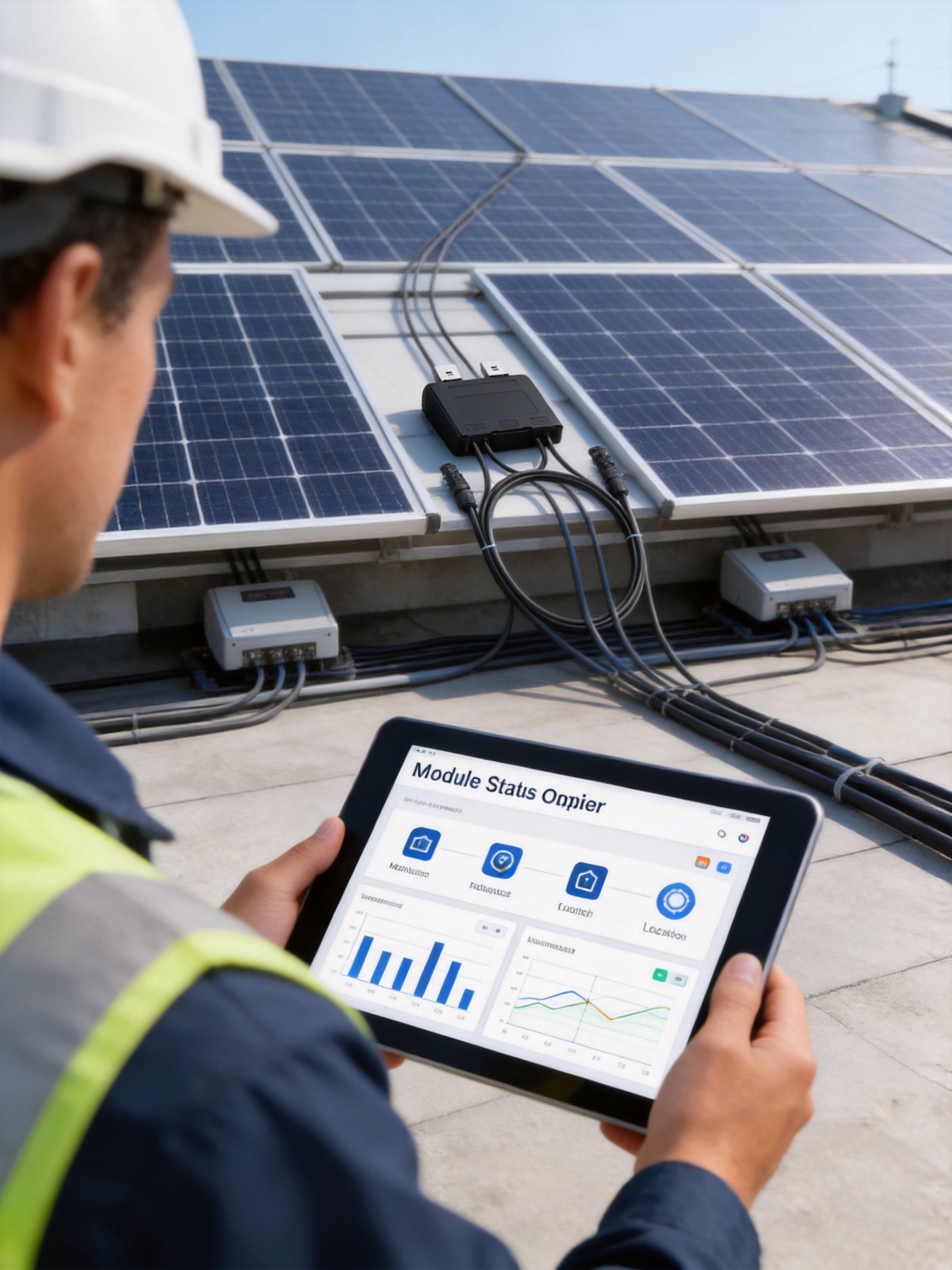
The SUN-XL02-B enables real-time monitoring of each photovoltaic module’s operation status when used in the appropriate system architecture. This makes maintenance more data-driven. Instead of sending technicians to inspect an entire rooftop, the system can indicate where attention is needed. This is particularly valuable for commercial and industrial projects where roof access may require safety preparation, scheduling, and downtime coordination.
Precise troubleshooting improves both cost control and system reliability. It can reduce the number of unnecessary site visits, shorten diagnostic time, and help prevent minor issues from developing into larger failures. For installers and service providers, this supports higher-quality after-sales service. For owners, it supports more predictable energy production.
Stable PLC Communication Without Extra Communication Cables
The product uses PLC communication through photovoltaic cables. This design is advantageous because PV systems already require DC cabling between modules, optimizers, strings, combiners, and inverters. Adding separate communication cables increases installation work and introduces more potential points of failure. By using the PV cable as a communication carrier, the SUN-XL02-B simplifies system layout.
This advantage becomes more important as projects scale. In a small residential system, extra wiring may be manageable but still inconvenient. In a large commercial rooftop system, additional communication lines can create cable routing challenges, increase labor time, and complicate documentation. PLC communication supports a more integrated architecture. It also helps maintain a cleaner installation appearance and can reduce the chance of communication cable damage caused by weather exposure, animals, maintenance activities, or mechanical stress.
Competitor products may require wireless communication, additional gateway wiring, or dedicated communication buses. Each method has strengths, but each also has risks. Wireless communication may be affected by distance, interference, building materials, or layout. Extra wiring increases installation work. PLC communication through PV cables offers an elegant balance by using infrastructure that is already present in the system.
Rapid Shutdown Support for Safer DC Arrays
PV arrays generate DC voltage whenever sunlight is present. This creates a safety challenge during installation, maintenance, emergency response, and fault conditions. Rapid shutdown technology addresses this issue by reducing array voltage to a safer range quickly. The SUN-XL02-B supports rapid shutdown when used with optimizer concentrators, adding an important layer of safety to the PV system.
This function is particularly valuable for rooftop systems installed on occupied buildings. Firefighters, maintenance personnel, and facility managers need confidence that the PV system can be placed into a safer electrical state when required. As safety standards evolve, rapid shutdown capability is becoming a more important factor in product selection.
The competitive advantage here is the integration of safety with optimization and monitoring. Some products may focus only on performance, while others focus only on shutdown. Combining these capabilities helps create a more complete module-level solution. It allows project designers to address energy yield, visibility, and safety with one device family rather than relying on disconnected components.
Technical Specifications
The SUN-XL02-B is engineered for high-power modern PV modules and demanding outdoor environments. Its maximum input power of 700 W makes it suitable for many current module sizes. Its maximum input voltage is 80 V, and the MPPT voltage range is 12 V to 80 V. The maximum input current is 15 A, supporting compatibility with common module current levels. Peak conversion efficiency reaches 99.5%, which is essential because an optimizer must improve system output without introducing excessive conversion loss.
| Specification | SUN-XL02-B Parameter |
| Product category | Accessory & Monitoring |
| Maximum input power | 700 W |
| Maximum input voltage | 80 V |
| MPPT voltage range | 12 V to 80 V |
| Maximum input current | 15 A |
| Peak conversion efficiency | 99.5% |
| Dimensions | 105 × 105 × 22 mm |
| Weight | 660 g |
| Cable | 4.0 mm², input 70 cm, output 100 cm |
| Connector | MC4 or compatible with MC4 |
| Operating temperature range | -40°C to +85°C |
| Protection level | IP68 |
| Product certification | CE |
| Communication mode | PLC |
These specifications reveal a product designed for reliability, not merely function. The operating temperature range of -40°C to +85°C allows deployment in diverse climates, from cold winter regions to hot rooftops where temperatures can rise far above ambient air temperature. The IP68 protection level indicates a high degree of resistance to dust and water ingress, which is critical for equipment installed outdoors over long service periods.
The compact dimensions help installers fit the device behind modules or within limited roof structures. The cable cross-section and practical cable lengths support common PV wiring methods. MC4 compatibility is important because MC4-type connectors are widely used across the PV industry. A product that integrates smoothly into existing installation workflows can reduce training requirements and installation friction.
Peak conversion efficiency of 99.5% is especially important in competitive comparison. Optimizers must manage module-level power without wasting the energy they are designed to recover. High efficiency means the product can deliver optimization benefits while keeping internal losses very low. This supports better net energy gain and stronger overall system performance.
Advantages Over Conventional PV Solutions
Compared with Standard String-Only Systems
In a standard string-only PV system, modules are connected in series, and the inverter performs MPPT at the string level. This is simple and cost-effective, but it may not handle mismatch well. If one module is shaded or underperforming, the output of the entire string may be affected. Bypass diodes can reduce some losses, but they do not provide the same active control or monitoring as module-level optimization.
The SUN-XL02-B improves this arrangement by allowing module-level MPPT. Instead of treating the string as a uniform group, it helps each module contribute more effectively. This is especially valuable where shading is intermittent. For example, a building shadow may move across a few modules during morning or afternoon. In a standard system, that shading can reduce string output. With module-level optimization, the impact can be reduced, and the unaffected modules can continue operating closer to their best point.
Standard string systems also lack module-level monitoring unless additional equipment is installed. Troubleshooting is therefore less precise. If production drops, technicians may have to test multiple modules manually. The SUN-XL02-B supports module-level status visibility, helping reduce diagnostic uncertainty.
Compared with Monitoring-Only Accessories
Some PV accessories provide monitoring but do not actively optimize power output. Monitoring alone is useful because it identifies problems, but it does not necessarily recover energy in real time. The SUN-XL02-B combines monitoring with MPPT optimization. This means it not only helps users see module behavior but also helps improve module operating conditions.
This combination matters because a solar project needs both information and action. Data without optimization may reveal losses but leave the system still losing energy until maintenance occurs. Optimization without monitoring may improve output but provide less diagnostic clarity. By bringing both together, the SUN-XL02-B offers a more complete solution.
Compared with Optimizers Requiring Extra Communication Wiring
Installation complexity is one of the most important hidden costs in PV projects. Products that require extra communication cables may appear competitive on a datasheet, but they can increase labor, materials, and installation risk. Extra cable routes must be planned, fixed, protected, and tested. Any communication wiring fault can create additional maintenance tasks.
The SUN-XL02-B uses PLC communication through photovoltaic cables, reducing the need for separate communication cables. This makes the installation cleaner and can shorten project execution time. It also reduces the number of exposed components that must survive harsh outdoor conditions. For contractors working under tight schedules, this practical advantage can be decisive.
Compared with Lower-Protection Outdoor Devices
Outdoor PV equipment must survive heat, cold, rain, wind, dust, UV exposure, and mechanical stress. A device with insufficient protection may perform well initially but degrade over time. The SUN-XL02-B is rated IP68 and operates across a wide temperature range. These features support long-term reliability in challenging environments.
The importance of rugged design cannot be overstated. PV systems are expected to operate for many years with limited intervention. A module-level device is installed across many points in the array, so reliability must be high. The IP68 protection level and broad operating temperature range help support confidence in long-term operation.
Application Scenarios
Residential Rooftop Solar
Residential rooftops often have complex conditions. Roof sections may face different directions, and shadows may come from chimneys, trees, dormers, satellite dishes, or neighboring buildings. Homeowners also care about safety because the system is installed directly on their property. The SUN-XL02-B can help residential systems achieve better output under imperfect conditions while supporting module-level visibility and rapid shutdown capability when paired with the required concentrator.
For homeowners, the product can make the PV system more transparent. Instead of seeing only total system production, the owner or installer can identify module-level performance. If a panel becomes dirty, shaded, damaged, or disconnected, the issue can be detected more quickly. This supports better maintenance and stronger confidence in the investment.
Commercial and Industrial Rooftops
Commercial and industrial rooftops are often large and may include skylights, ventilation equipment, parapets, drainage structures, safety walkways, and rooftop machinery. These obstacles can create uneven shading and limit module placement. At the same time, commercial owners usually evaluate solar projects based on energy savings, payback period, and operational reliability.
The SUN-XL02-B supports these goals by reducing mismatch loss and enabling more precise monitoring. In a large C&I system, identifying a single underperforming module without module-level data can be difficult. The product’s monitoring capability can help operations teams locate issues efficiently. Its PLC communication also reduces installation complexity across larger arrays.
Distributed PV Projects
Distributed PV projects frequently involve multiple small or medium-sized installations across different sites. Maintenance teams may be responsible for many systems spread across a city, province, or region. In such cases, remote or detailed monitoring is highly valuable. Module-level visibility helps prioritize service visits and reduce unnecessary inspections.
For distributed projects, the SUN-XL02-B can support standardization. Its specifications, connector compatibility, compact dimensions, and communication method make it suitable for repeatable deployment. Standardized components simplify procurement, training, installation, and maintenance procedures.
Sites with Partial Shading or Mismatch
The product is particularly useful in installations where partial shading or module mismatch is expected. These include roofs near trees, buildings with multiple roof planes, urban solar installations, retrofits using mixed module orientations, and systems where modules may experience different soiling patterns. The more uneven the operating conditions, the more valuable module-level optimization can become.
In such environments, a conventional string system may force the array to operate below its potential. The SUN-XL02-B helps reduce that compromise. By improving module-level behavior, it can help unlock energy that would otherwise remain unavailable.
Design for Installation Efficiency
Installers need products that are technically capable and practical on site. The SUN-XL02-B has dimensions of 105 × 105 × 22 mm and weighs 660 g. This compact structure supports installation near PV modules without adding excessive bulk. In rooftop work, every extra step matters. Installers often work under time limits, weather constraints, and safety requirements. A compact and connector-compatible optimizer helps keep installation efficient.
The device uses 4.0 mm² cable, with input cable length of 70 cm and output cable length of 100 cm. These cable specifications are practical for module-level connection. MC4 or compatible connectors reduce the need for special adapters and support familiar workflows. When a product uses standard connection practices, installers can work more confidently and reduce the likelihood of wiring mistakes.
PLC communication further supports installation efficiency. Because communication is carried through photovoltaic cables, installers do not need to plan and install extra communication wiring. This can reduce material cost, installation time, and possible failure points. For projects with many modules, this advantage compounds across the entire array.
Reliability in Harsh Outdoor Environments
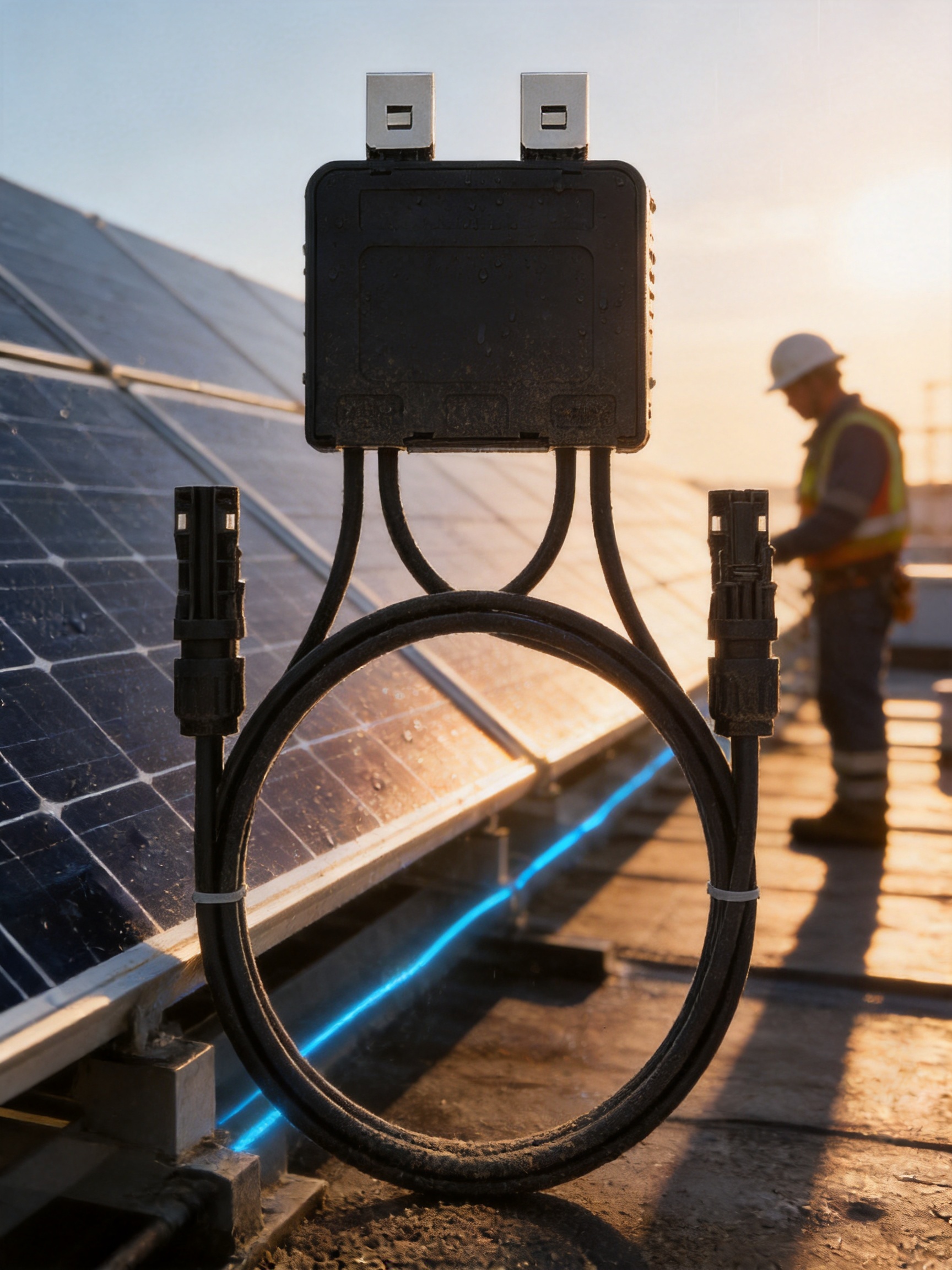
Solar equipment must be designed for exposure. A rooftop or ground-mounted PV array faces continuous environmental stress. Heat cycles cause expansion and contraction. Moisture can enter weak enclosures. Dust can accumulate. Wind can vibrate components. UV radiation can degrade materials. The SUN-XL02-B addresses these realities with an IP68 protection level and a wide operating temperature range from -40°C to +85°C.
IP68 protection is especially relevant for module-level electronics. Devices installed near modules may be exposed to rainwater runoff, dust, humidity, and occasional immersion-like conditions depending on installation layout. A high protection level helps reduce the risk of moisture-related failure. This is essential because replacing module-level equipment can require roof access and labor.
The wide temperature range supports operation in diverse climates. In cold regions, equipment must start and function at low temperatures. In hot regions, rooftop temperatures can become extreme, especially under direct sun and limited ventilation. The +85°C upper operating limit provides important thermal margin. Thermal resilience contributes to stable operation and long service life.
High peak conversion efficiency also supports reliability. Lower losses generally mean less wasted energy as heat. Thermal management is critical in compact power electronics, and efficient conversion helps reduce internal stress. This is one reason the 99.5% peak efficiency is not only a performance figure but also a reliability-related advantage.
Safety Value of Rapid Shutdown
PV safety is becoming a central concern in system design. DC circuits can remain energized in daylight even after the inverter is turned off. This creates risks during maintenance or emergency response. Rapid shutdown systems reduce this risk by lowering DC voltage to a safer range when required. The SUN-XL02-B supports rapid shutdown when used with optimizer concentrators.
This capability is important for several stakeholders. Installers benefit from safer commissioning and maintenance procedures. Building owners benefit from improved risk management. Emergency responders benefit from a system design that can reduce hazardous voltage during critical events. Insurers and regulators may also value enhanced safety features depending on the market.
Rapid shutdown support gives the product a stronger position compared with basic optimizers or passive monitoring devices. It allows the device to contribute to safety architecture as well as energy yield. As solar deployment expands across residential, commercial, and public buildings, integrated safety functions will become increasingly important.
Company Strengths Behind the Product
The manufacturer, Ningbo Deye Inverter Technology Co., Ltd., benefits from the broader industrial foundation of a technology manufacturing enterprise founded in 2000. The company has developed capabilities across research and development, design, production, sales, and service. This integrated structure is important because power electronics products require close coordination between engineering, manufacturing, quality control, and after-sales support.
The company’s business covers photovoltaic inverters, energy storage systems, and environmental appliances. In the solar field, its product lines include string inverters, hybrid inverters, off-grid inverters, microinverters, energy storage products, EV charging solutions, and monitoring ecosystems. This broad portfolio gives the company deep insight into how module-level devices interact with inverters, energy management systems, storage systems, and digital monitoring platforms.
Advanced manufacturing strength is not only about factory size. It is about process discipline, component selection, production testing, environmental validation, quality traceability, and continuous improvement. For a device like the SUN-XL02-B, manufacturing quality directly affects field reliability. Because the product is installed outdoors and distributed across modules, consistent production quality is essential.
The company’s experience in inverter and ESS products supports the development of reliable accessory and monitoring devices. Inverters and energy storage systems require high standards in power conversion, thermal design, communication, safety protection, and firmware control. These same areas are relevant to module-level optimizers. By applying power electronics expertise across product categories, the company can develop solutions that are more integrated and practical.
Advanced Manufacturing Processes and Quality Control
Research and Design Integration
A strong product begins before manufacturing. The design phase must consider electrical performance, thermal behavior, mechanical protection, communication reliability, installation method, safety requirements, and compatibility. For the SUN-XL02-B, the design must support high input power, high conversion efficiency, stable PLC communication, module-level monitoring, and outdoor protection. These requirements must be balanced in a compact enclosure.
Research and design integration helps ensure that the product is not merely functional in a laboratory but practical in the field. Engineers must consider how installers will connect the device, how it will be mounted, how cables will be routed, how it will behave under temperature extremes, and how it will communicate through PV cables. This system-level thinking is a major advantage for manufacturers with broad PV experience.
Component Selection and Electrical Validation
Power electronics reliability depends heavily on component selection. Components must tolerate voltage, current, temperature, switching stress, and environmental exposure. For a 700 W optimizer with 15 A maximum input current and 80 V maximum input voltage, electrical margins matter. Quality-focused manufacturing includes careful supplier evaluation and component validation.
Electrical validation may include performance testing across operating ranges, MPPT behavior analysis, conversion efficiency measurement, thermal rise testing, communication testing, and abnormal condition simulation. Such testing helps confirm that the device can maintain stable performance in the environments where it will be used.
Environmental and Protection Testing
Because the SUN-XL02-B is rated IP68 and designed for -40°C to +85°C operation, environmental validation is central to product quality. Outdoor electronics should be tested against temperature extremes, humidity, water ingress, dust exposure, and thermal cycling. These tests help identify weaknesses in enclosure design, sealing, materials, cable entry points, and internal component layout.
Environmental testing is especially important for long-term durability. A product may pass initial electrical tests but fail after repeated thermal cycles or moisture exposure if materials and sealing are not properly engineered. Advanced manufacturing processes therefore include both production inspection and design validation testing.
Production Consistency and Traceability
In module-level PV systems, many optimizer units may be installed in a single project. This makes consistency critical. A high-quality manufacturer must control production parameters, inspect finished products, and maintain traceability. Traceability allows the company to connect each unit to production batches, components, test results, and quality records. This supports continuous improvement and efficient service response.
Production consistency also helps installers. When every device behaves predictably, commissioning is smoother and troubleshooting is easier. Inconsistent products can create installation delays and confidence issues. A manufacturer with established production systems is better positioned to deliver stable quality at scale.
Integration with a Complete Solar Ecosystem
The SUN-XL02-B gains additional value because it comes from a company with a broad solar and energy storage ecosystem. The manufacturer’s portfolio includes string inverters, hybrid inverters, off-grid inverters, microinverters, modular commercial and industrial energy storage systems, micro hybrid energy storage systems, EV chargers, PV optimizers, solar air conditioners, and accessory and monitoring products. This range enables a more complete understanding of the solar project lifecycle.
PV systems are no longer isolated power generation assets. Increasingly, they are connected with batteries, electric vehicle chargers, smart monitoring platforms, and energy management systems. A module-level optimizer must fit into this larger environment. It must communicate reliably, support safety functions, and complement inverter operation. A manufacturer active across multiple categories can design products with system compatibility in mind.
For customers, this ecosystem approach can simplify procurement and technical coordination. Instead of sourcing unrelated products from many suppliers, project developers may prefer equipment families designed to work together. This can reduce compatibility uncertainty and improve service support. The SUN-XL02-B therefore benefits not only from its own specifications but also from the manufacturer’s broader solar technology base.
Economic Impact Over the System Lifecycle
The financial value of the SUN-XL02-B should be considered over the full lifecycle of a PV system. Solar investments generate returns through energy production, reduced electricity purchases, grid export revenue, incentives, or carbon reduction value. Any improvement in energy yield can accumulate over many years. A 5% to 25% potential generation increase in suitable conditions can significantly affect project economics.
The product may also reduce operational costs. Module-level monitoring can shorten troubleshooting time and reduce unnecessary service visits. Early issue detection can prevent long periods of hidden underperformance. Rapid shutdown capability can support safety compliance and reduce risk. PLC communication can reduce installation labor and material requirements compared with solutions requiring separate communication cables.
When evaluating module-level optimization, customers should compare not only purchase price but total value. A lower-cost product with lower efficiency, weaker protection, limited communication reliability, or no safety support may cost more over time through lost energy or higher maintenance needs. The SUN-XL02-B’s combination of high efficiency, IP68 protection, monitoring, PLC communication, and rapid shutdown support gives it a strong lifecycle value proposition.
Performance Under Real-World Conditions
Solar modules rarely operate under perfect standard test conditions. Irradiance changes constantly due to clouds, haze, seasonal sun angle, and shading. Temperature changes throughout the day. Dust and pollen may accumulate unevenly. Snow or leaves may cover part of an array. Birds, nearby structures, and roof equipment may create unpredictable shadows. These conditions create mismatch.
The SUN-XL02-B is designed for this reality. Its module-level MPPT helps each connected module adapt to changing conditions. If one module’s output drops, other modules do not need to be limited in the same way. This is particularly important during mornings and evenings when shadows are longer, as well as in urban environments where shading is dynamic.
Real-time monitoring also becomes more valuable under real-world conditions. It allows users to distinguish between normal environmental variation and abnormal module behavior. If all modules show reduced output during cloudy weather, that may be expected. If one module consistently underperforms compared with neighboring modules, it may indicate a fault, soiling, shading, or wiring issue. This insight supports smarter maintenance decisions.
Support for Installers and EPC Companies
Engineering, procurement, and construction companies need products that reduce project risk. A module-level optimizer must be easy to specify, install, commission, and service. The SUN-XL02-B supports EPC needs through clear electrical parameters, practical dimensions, MC4-compatible connectors, PLC communication, and robust environmental ratings.
For design engineers, the 700 W maximum input power and 12 V to 80 V MPPT voltage range provide flexibility for modern PV modules. For installation teams, compact dimensions and standard connectors simplify handling. For commissioning teams, monitoring capability supports verification. For service teams, module-level visibility supports maintenance efficiency.
The company’s global presence, with products sold in more than 140 countries and regions, also indicates experience with different market requirements, climates, grid conditions, and customer expectations. This international experience can translate into better product adaptability and support practices.
Why High Efficiency Matters in an Optimizer
An optimizer is added to improve energy harvest, but if it consumes or loses too much energy internally, its benefit is reduced. This is why the SUN-XL02-B’s peak conversion efficiency of 99.5% is a critical specification. High efficiency helps ensure that recovered energy is not offset by conversion losses.
Efficiency also affects heat generation. Losses in power electronics are often converted into heat. Excessive heat can reduce component life and may require larger enclosures or heat dissipation structures. A high-efficiency design supports compact size, stable operation, and potentially longer service life. For a device installed near each module, these advantages are highly relevant.
In competitive comparison, peak efficiency is not the only factor, but it is one of the most important. A product must also maintain strong performance across a practical operating range. However, a 99.5% peak figure demonstrates a design goal of minimizing loss while enabling module-level control.
Communication Reliability and System Intelligence
Monitoring depends on communication. If communication is unstable, module-level data becomes incomplete or unreliable. The SUN-XL02-B uses PLC communication through PV cables, offering a stable and installation-friendly approach. Because it avoids separate communication wiring, it reduces physical complexity. Because it does not rely solely on wireless transmission, it can avoid some wireless interference concerns.
Reliable communication supports system intelligence. Module-level data can inform maintenance, performance analysis, and long-term asset management. For large portfolios, data-driven operations can improve decision-making. Owners can compare module performance, identify recurring shading issues, evaluate cleaning needs, and detect abnormal degradation patterns.
As PV systems become part of broader energy management platforms, reliable data becomes increasingly important. The SUN-XL02-B contributes to this trend by enabling module-level information through a practical communication method.
Safety, Compliance, and Market Readiness
The product carries CE certification, indicating conformity with relevant European requirements for products placed in applicable markets. Certification is an important part of market readiness, but safety design goes beyond certification labels. It includes electrical protection, environmental sealing, installation reliability, and rapid shutdown support.
Rapid shutdown capability is particularly important in markets with strict rooftop PV safety expectations. When used with optimizer concentrators, the SUN-XL02-B can quickly reduce photovoltaic array DC voltage to a safe range. This function supports safer maintenance and emergency response scenarios.
Customers comparing solutions should consider whether a product addresses both performance and safety. The SUN-XL02-B is positioned as a more comprehensive module-level device because it combines MPPT, monitoring, PLC communication, environmental protection, and rapid shutdown support.
Procurement Considerations
When selecting module-level optimization equipment, buyers should evaluate several factors. First, they should confirm module compatibility, including power, voltage, and current. The SUN-XL02-B supports maximum input power of 700 W, maximum input voltage of 80 V, and maximum input current of 15 A. These specifications make it suitable for many high-power PV modules, but every project should verify actual module data.
Second, buyers should evaluate environmental requirements. If a project is located in a hot, cold, humid, dusty, or rainy region, the IP68 rating and -40°C to +85°C operating range are important advantages. Third, buyers should consider installation method. MC4-compatible connectors, compact size, and PLC communication can simplify deployment.
Fourth, buyers should consider monitoring and safety requirements. If module-level monitoring and rapid shutdown are required, the system architecture should include the necessary compatible concentrators and monitoring infrastructure. The rapid shutdown function is available when used with optimizer concentrators, so this requirement should be addressed during system design.
Finally, buyers should evaluate supplier strength. The manufacturer’s long-term experience, broad product portfolio, global market presence, and R&D capability can support confidence in product quality and service continuity.
Best-Fit Customer Profiles
The SUN-XL02-B is well suited for customers who want more than basic PV generation. It is ideal for system owners who care about maximizing energy yield under variable conditions. It is also suitable for installers seeking a module-level solution that avoids extra communication cabling. It fits projects where safety requirements make rapid shutdown support valuable.
Residential customers with shaded rooftops may benefit from both energy optimization and enhanced safety. Commercial building owners may benefit from improved troubleshooting and reduced operational downtime. EPC companies may benefit from easier installation and standardized design. Asset managers may benefit from module-level performance data that supports long-term maintenance planning.
The product is also appropriate for solar professionals who want to differentiate their projects from conventional systems. By offering module-level optimization, monitoring, PLC communication, and rapid shutdown support, they can provide customers with a more intelligent and safety-focused PV solution.
Q&A Section
What is the main purpose of the SUN-XL02-B?
The main purpose is to improve photovoltaic module performance through module-level MPPT while supporting module-level monitoring, PLC communication, and rapid shutdown capability when used with optimizer concentrators.
How much can it increase power generation?
Module-level maximum power point tracking can increase power generation by approximately 5% to 25%, depending on site conditions such as shading, module mismatch, orientation differences, soiling, and aging.
Why is module-level MPPT better than string-level MPPT in some systems?
String-level MPPT treats a group of modules as one operating unit. If one module is shaded or underperforming, the entire string can be affected. Module-level MPPT allows each module to operate closer to its own best power point, reducing mismatch losses.
Does the product require extra communication cables?
No extra communication cables are required for its PLC communication method. It uses photovoltaic cable carrier communication, which helps simplify installation and reduce wiring complexity.
What does PLC communication mean in this product?
PLC refers to power-line carrier communication. In this context, communication signals are carried through the PV cables, allowing data transmission without a separate communication line.
Does the product support rapid shutdown?
Yes. The product supports rapid shutdown when used with optimizer concentrators. This function can quickly reduce the DC voltage of the photovoltaic array to a safer range.
Is it suitable for harsh outdoor environments?
Yes. The product has an IP68 protection level and operates from -40°C to +85°C, making it suitable for demanding outdoor PV environments.
What is the maximum input power?
The maximum input power is 700 W.
What is the peak conversion efficiency?
The peak conversion efficiency is 99.5%, which helps minimize internal losses and supports strong net energy gain.
What type of connector does it use?
It uses MC4 or connectors compatible with MC4, supporting common photovoltaic installation practices.
Who should consider using this product?
Residential owners, commercial and industrial solar users, EPC companies, installers, and asset managers should consider it when they need higher yield, better monitoring, simplified communication, and rapid shutdown support.
Conclusion
The SUN-XL02-B is a compact but powerful module-level PV optimization device designed for the realities of modern solar installations. It addresses some of the most important challenges in photovoltaic systems: mismatch loss, limited module visibility, communication complexity, and DC safety. With module-level MPPT, it can help increase power generation by 5% to 25% under suitable conditions. With real-time monitoring, it supports faster issue detection and precise troubleshooting. With PLC communication, it avoids the need for additional communication cables. With rapid shutdown support, it contributes to safer PV array operation when paired with optimizer concentrators.
Its technical specifications strengthen its competitive position. A maximum input power of 700 W, MPPT voltage range of 12 V to 80 V, maximum input current of 15 A, peak conversion efficiency of 99.5%, IP68 protection, CE certification, and wide temperature range make it suitable for demanding PV applications. Its compact dimensions, practical cable lengths, and MC4-compatible connectors also support efficient installation.
The product is further supported by the manufacturing and engineering strengths of Ningbo Deye Inverter Technology Co., Ltd., a company with extensive experience in photovoltaic inverters, energy storage systems, monitoring solutions, and global solar markets. Its broad portfolio and integrated R&D, production, sales, and service capabilities provide a strong foundation for reliable module-level products.
For customers comparing PV optimization options, the SUN-XL02-B offers a balanced combination of performance, safety, communication convenience, and environmental durability. It is not merely an accessory; it is a strategic component for building smarter, safer, and higher-yield photovoltaic systems.
References
1. SUN-XL02-B Product Datasheet, Ningbo Deye Inverter Technology Co., Ltd.
2. SUN-XL02-B User Manual, English Edition, Ningbo Deye Inverter Technology Co., Ltd.
3. International Electrotechnical Commission, Photovoltaic System Safety and Power Electronics Design Guidelines.
4. European Committee for Electrotechnical Standardization, CE Conformity Principles for Electrical Equipment.
5. Industry Technical Literature on Module-Level Power Electronics, PV Optimization, and Rapid Shutdown Systems.
Product: SUN-XL02-B
PREV:Hybrid ACDC Solar Air Water Cooler: Direct Solar Cooling for High-Efficiency Comfort
NEXT:High-Voltage Split-Phase Hybrid Inverter for Japanese Residential Solar Storage
Share
Product recommendations
news recommendations
-
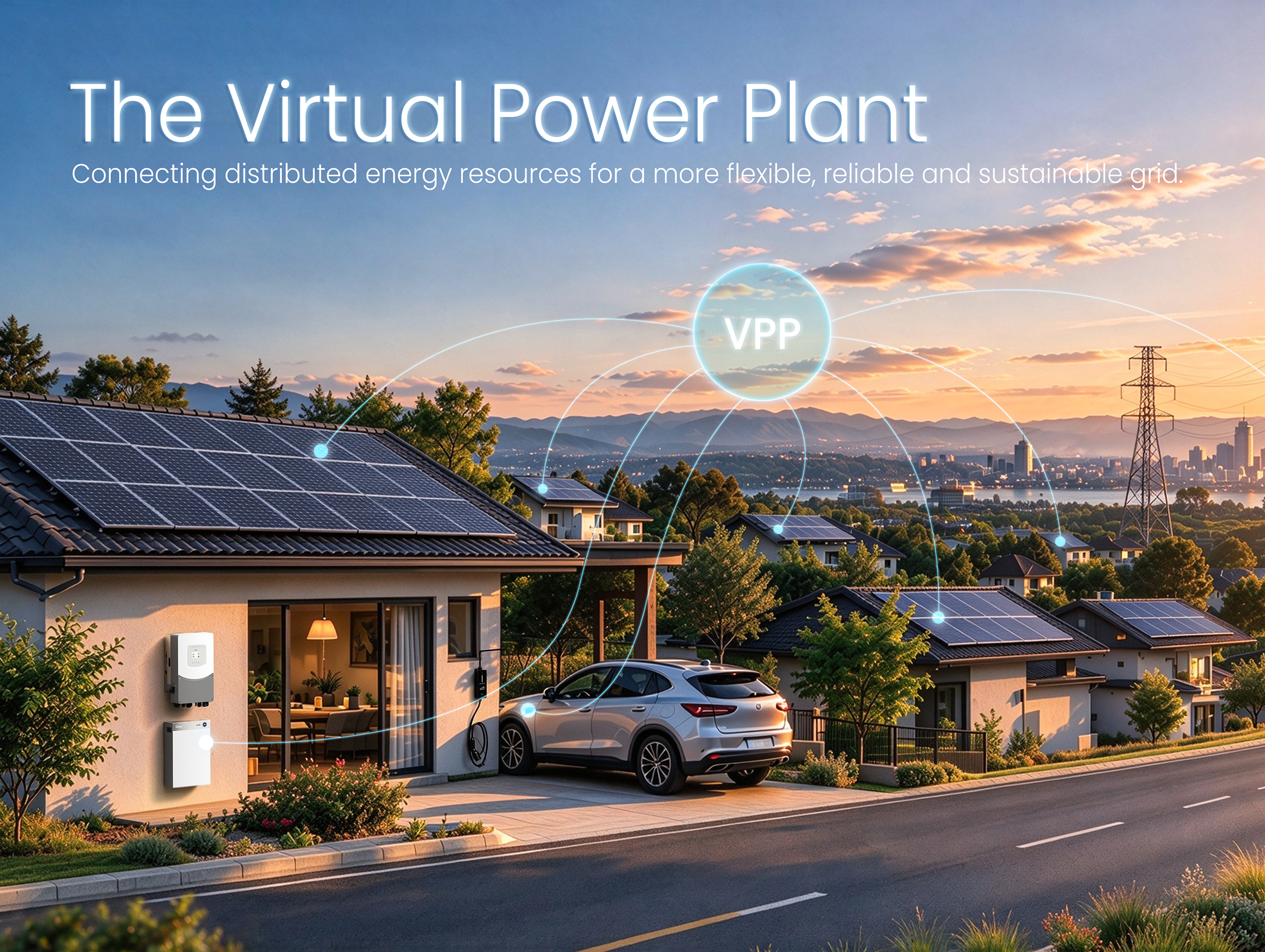 From Centralized Grids to Virtual Power Plants: The Next Evolution of the Power System
For more than a century, power systems around the world have relied on a centralized model. Large p...
-
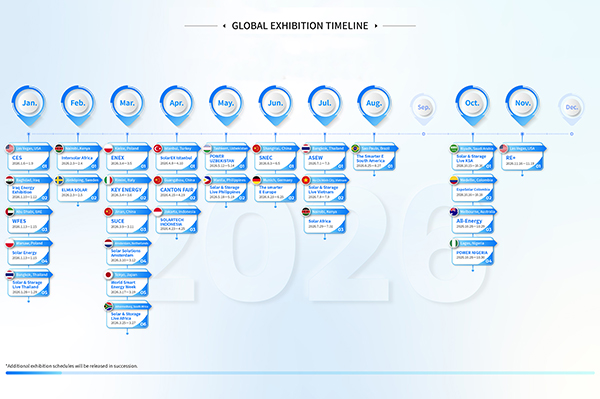 GLOBAL EXHIBITION TIMELINE
*Click to view larger image
-
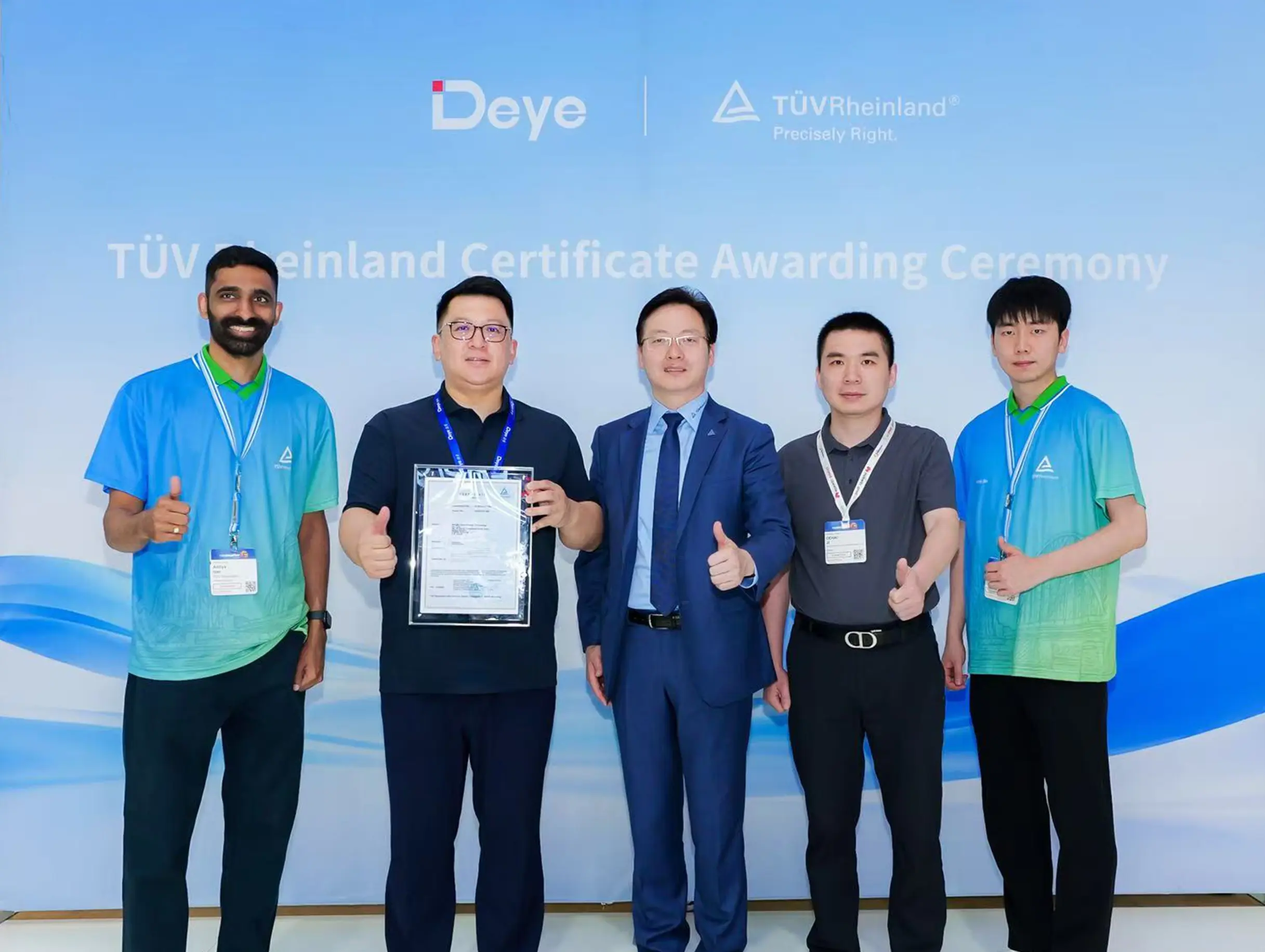 Deye Secures Multiple TÜV Rheinland Certifications at The smarter E Europe
On June 23, the opening day of The smarter E Europe 2026, Deye was officially awarded several presti...

Copyright@ 2024.Ningbo Deye Inverter Technology Co.,Ltd. All rights reserved. Solar Inverter Manufacturer
