
 Online Shop
 English
 China - 简体中文
 Global - English
 Brazil - Português
 Netherlands - Dutch
 Italy - Italiano
 Germany - Deutsch
 Spain - Español
 France - Français
 Vietnam - Tiếng Việt
 Poland - Polski
 Australia - English
 Japan - 日本語
Luo Qinxue — Regional Sales Manager, On-Grid Inverter Solutions

18–20 kW Three-Phase String Inverter for High-Performance Commercial Solar Systems
The SUN-18/20K-G06P3-EU-BM2-P1 is a three-phase string inverter designed for commercial, industrial, agricultural, and large residential photovoltaic installations. Available in 18 kW and 20 kW versions, it combines high conversion efficiency, two independent maximum power point trackers, broad operating voltage ranges, advanced grid-support functions, intelligent protection, and flexible communications in a compact IP65 enclosure.
As solar projects become more demanding, inverter selection involves much more than rated output power. Installers and system owners must consider photovoltaic oversizing, string configuration, grid compatibility, monitoring, safety, outdoor durability, operating temperature, power quality, and long-term serviceability. This product addresses these requirements through a balanced electrical architecture intended to simplify system design while maintaining high energy yield.
The inverter is particularly suitable for installations that need a practical combination of high DC input capacity and moderate AC output power. The 18 kW model accepts up to 27 kW of photovoltaic input power, while the 20 kW model accepts up to 30 kW. This DC-to-AC ratio allows designers to use more PV capacity and improve energy production during mornings, afternoons, cloudy weather, and other periods when the array is not operating at its theoretical peak.
Its two MPP trackers support flexible array design, especially where roof orientations, shading conditions, tilt angles, or string lengths differ. With a maximum efficiency of 98.5%, European efficiency of 98.0%, and MPPT efficiency above 99%, the inverter is engineered to convert a high proportion of available solar energy into usable three-phase AC power.
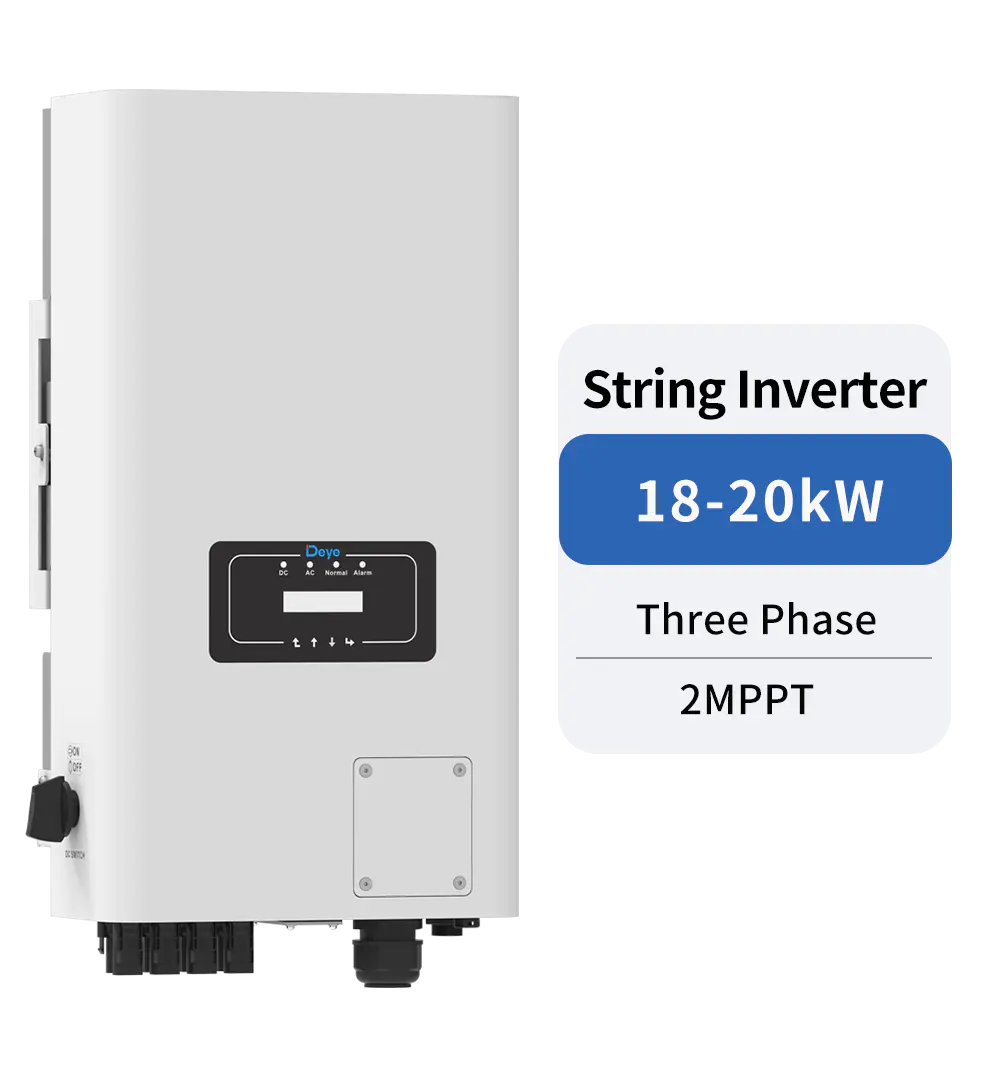
SUN-18/20K-G06P3-EU-BM2-P1
Product Overview and Application Positioning
The product belongs to the three-phase string inverter category and is offered in two closely related power ratings. The SUN-18K-G06P3-EU-BM2-P1 provides 18 kW of rated AC active power, while the SUN-20K-G06P3-EU-BM2-P1 provides 20 kW. Both models share the same principal PV input architecture, operating voltage range, protection functions, communications interfaces, enclosure rating, and mechanical format.
| Parameter | SUN-18K-G06P3-EU-BM2-P1 | SUN-20K-G06P3-EU-BM2-P1 |
|---|---|---|
| Rated AC active power | 18 kW | 20 kW |
| Maximum PV input power | 27 kW | 30 kW |
| Maximum AC apparent power | 19.8 kVA | 22 kVA |
| Rated AC output current | 27.3 A at 380 V / 26.1 A at 400 V | 30.4 A at 380 V / 29 A at 400 V |
| Maximum AC output current | 30 A at 380 V / 28.7 A at 400 V | 33.4 A at 380 V / 31.9 A at 400 V |
| Maximum PV input voltage | 1,100 V | |
| MPPT voltage range | 120–1,000 V | |
| Number of MPPT trackers | 2 | |
| String inputs per MPPT tracker | 2 + 2 | |
| Maximum efficiency | 98.5% | |
| Ingress protection | IP65 | |
| Weight | 12 kg | |
The two model choices make it easier to match the inverter to the available roof area, local interconnection limits, and planned PV capacity. The 18 kW model may be appropriate where the grid connection or expected load profile favors a slightly lower AC rating. The 20 kW version provides additional output capability where higher daytime consumption or greater annual production is required.
Typical applications include commercial rooftops, workshops, warehouses, schools, farms, office buildings, small industrial facilities, and multi-building solar plants. The three-phase output is also appropriate for sites with balanced commercial loads, three-phase motors, heat pumps, pumps, refrigeration equipment, and other equipment that benefits from a three-phase supply.
High DC Input Capacity and Intelligent PV Design
One of the product’s most important advantages is its ability to accept a substantial amount of PV capacity relative to its AC rating. A 27 kW maximum PV input for the 18 kW model and a 30 kW maximum PV input for the 20 kW model enable intentional DC oversizing. In practical terms, the array can produce more power than the inverter can export at certain peak moments, while the inverter captures more energy during lower-irradiance periods.
Traditional PV systems often produce their highest theoretical output for only a limited period around solar noon. During the rest of the day, the array operates below its maximum potential. A suitably designed DC-to-AC ratio helps the inverter reach useful operating power earlier in the morning and remain productive later in the afternoon. This can increase daily energy harvest without requiring a proportionally larger AC inverter.
Designers must still verify local rules, installation conditions, module characteristics, string voltage, current limits, and any applicable clipping expectations. The maximum PV input power is a design limit rather than a recommendation that every project must use the full capacity. A qualified installer should evaluate module temperature coefficients, minimum winter temperature, maximum open-circuit voltage, cable losses, and expected mismatch before finalizing the array.
The maximum PV input voltage is 1,100 V, while the MPPT voltage range extends from 120 V to 1,000 V. This broad range supports a variety of string lengths and module combinations. The 140 V start-up voltage allows the inverter to begin operation once the array reaches the required threshold, while the rated PV input voltage is 600 V.
The product accepts a maximum input short-circuit current of 32 A plus 32 A and a maximum operating PV input current of 48 A plus 48 A. These high current figures provide useful design flexibility for modern high-current PV modules. Nevertheless, module datasheets and the actual parallel-string arrangement should always be checked to ensure that current remains within the inverter’s specified input limits.
Two MPPT Trackers for Flexible Rooftops
The two MPP trackers are valuable where the PV array cannot be installed on one uniform plane. For example, a commercial building may have east-facing and west-facing roof sections. A farm facility may combine a south-facing main roof with a smaller auxiliary roof. A school may have different roof pitches, while a ground-mounted project may use separate rows with different shading conditions.
Each MPPT tracker can independently seek the operating voltage that produces the greatest available power from its connected strings. This is more flexible than forcing differently oriented or differently shaded strings to operate at a single common voltage. The product supports two strings per MPPT tracker, represented in the specification as 2/2+2.
Correct string allocation remains important. Strings connected to the same tracker should generally have compatible module counts, orientations, and shading conditions. Poorly matched strings can reduce the benefit of independent tracking. Good engineering practice therefore combines the inverter’s MPPT flexibility with careful roof surveying, shade analysis, and electrical design.
Compared with some competing products that offer fewer trackers at a similar commercial power rating, this architecture can reduce design compromises on complex roofs. It may also lower the need for additional module-level electronics in applications where the array layout is relatively straightforward and shading is limited.
Conversion Efficiency and Energy Yield
The inverter provides a maximum efficiency of 98.5% and a European efficiency of 98.0%. Maximum efficiency describes the best conversion point under specific operating conditions, while European efficiency is a weighted value intended to represent performance across a broader range of operating loads. Both figures indicate that the product is designed to minimize conversion losses.
High efficiency is important because even small losses become significant over the operating life of a commercial solar system. If an inverter converts 1,000 kWh of DC energy with a 98% weighted efficiency, approximately 980 kWh is available before other system losses. Improving conversion performance can increase delivered energy without increasing roof area or module count.
The stated MPPT efficiency is greater than 99%. This indicates that the tracking control is designed to locate and maintain the array’s best operating point with very limited tracking loss. The result is especially valuable under changing irradiance, partial cloud cover, and conditions where the PV array’s power-voltage curve changes throughout the day.
Efficiency should not be considered in isolation. Annual yield also depends on thermal conditions, clipping, cable sizing, grid availability, shading, soiling, module degradation, reactive power requirements, and inverter availability. The product’s value is therefore found in the way its efficiency works together with high PV input capacity, a broad MPPT range, and grid-control functions.
Thermal Management and Outdoor Operation
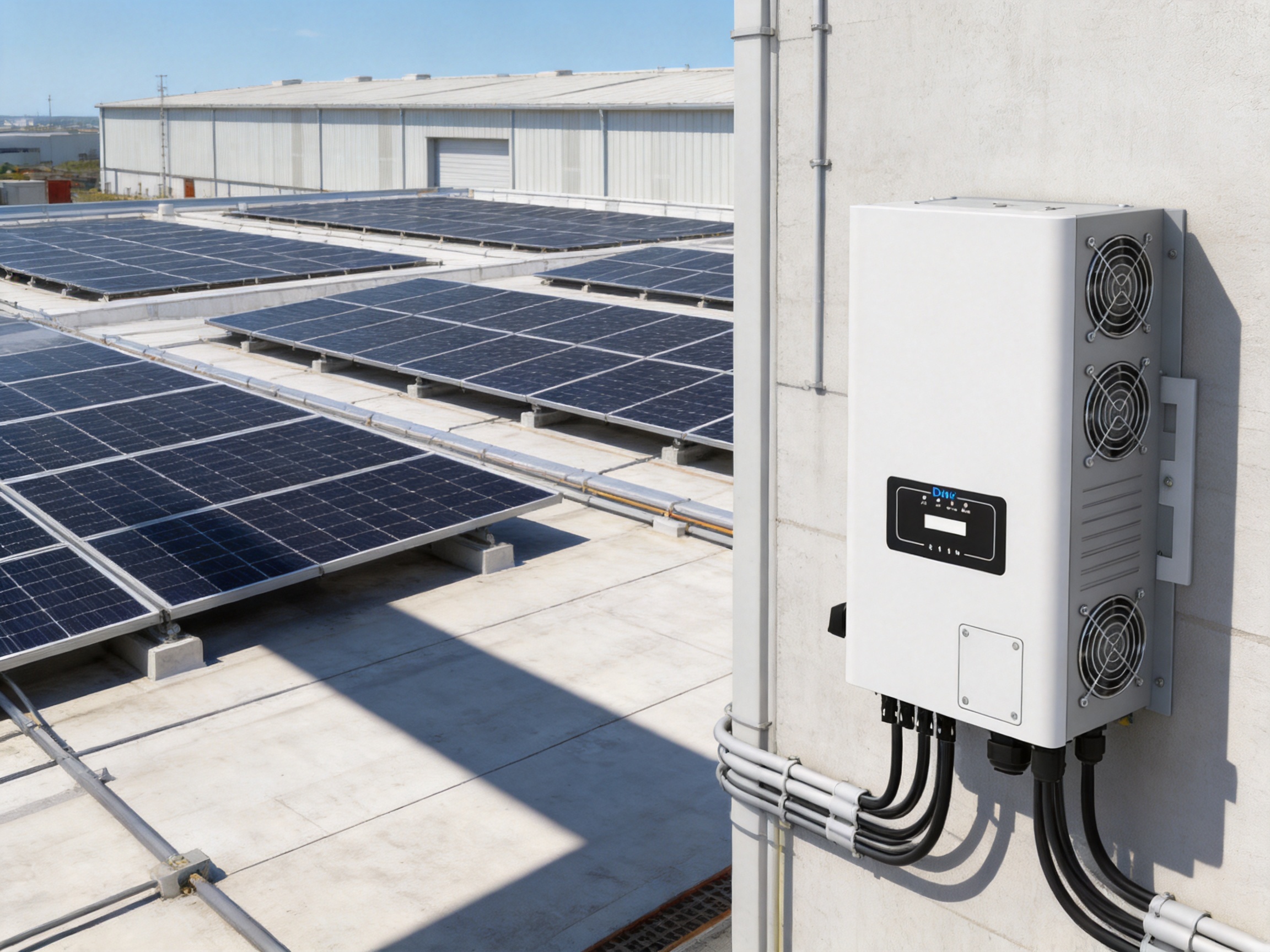
The unit uses intelligent air cooling. Active thermal management helps regulate internal component temperature during high-power operation and changing ambient conditions. Maintaining suitable temperatures supports stable output and can help protect power electronics from excessive thermal stress.
The specified operating temperature range is listed as -25 to -60°C in the supplied product information. Because this presentation is unusual for a conventional operating range, project engineers should confirm the exact interpretation in the latest official technical documentation before installation. Ambient temperature, solar exposure, mounting clearance, and ventilation should all be considered during site design.
The permissible ambient humidity is stated as 0–100%, and the inverter has an IP65 ingress protection rating. IP65 indicates protection against dust ingress and water jets from multiple directions when the enclosure is correctly installed. This supports outdoor use, although the device should not be placed where it can be permanently submerged or exposed to conditions beyond its certification.
The maximum permitted altitude is 4,000 m. Installations at high altitude may require additional consideration because air density affects cooling and insulation performance. The product’s installation instructions and local standards should be consulted when planning systems in elevated locations.
Noise is specified at no more than 45 dB. This relatively restrained acoustic level can be helpful for commercial buildings, educational facilities, and sites located near occupied areas. Proper mounting and clearance remain important because wall vibration, nearby structures, and airflow can influence perceived sound.
Grid Compatibility and Power Quality
The inverter is designed for three-phase grid connection through a 3L/N/PE configuration. It supports rated output voltages of 220/380 V and 230/400 V, with a voltage range of 0.85Un to 1.1Un. This makes it suitable for common low-voltage three-phase networks, subject to local utility approval and the requirements of the specific installation.
The rated grid frequency is 50 Hz or 60 Hz, with corresponding ranges of 45–55 Hz and 55–65 Hz. The available frequency flexibility is useful for international deployment, but the final settings must be configured according to the local grid code. Grid parameters should never be selected solely from the nominal frequency; protection thresholds, reconnection behavior, voltage support, and anti-islanding requirements also need to be addressed.
The power factor adjustment range is 0.8 leading to 0.8 lagging. This provides reactive power control capability that may be useful in networks requiring voltage support or a specified power factor. Commercial customers can potentially coordinate inverter operation with site loads, utility requirements, and energy management strategies.
Total current harmonic distortion is specified at less than 3%, and DC injection current is specified at less than 0.5% of rated current. Low harmonic distortion helps maintain cleaner power quality and reduces the risk of unwanted interference with sensitive electrical equipment. Limiting DC injection also supports compatibility with transformerless grid-connected systems and applicable network requirements.
VSG and Zero-Export Applications
The product supports zero-export applications and VSG applications. A zero-export system uses monitoring and control equipment to limit photovoltaic power sent to the utility grid. This is useful where a site wants to maximize self-consumption but faces an export restriction, limited grid capacity, or a commercial policy against feeding surplus energy into the network.
Successful zero-export operation requires an appropriate meter or energy management arrangement, correct communications, and properly configured control settings. The inverter itself should be integrated into the complete system design, including current transformers or compatible metering equipment where required. The response time and accuracy of the complete installation depend on all system components, not only the inverter.
VSG, or virtual synchronous generator, functionality is intended to reproduce certain grid-support characteristics associated with synchronous generation. Depending on the system architecture and configured operating mode, this can assist applications that require more advanced interaction with the electrical network. The detailed behavior should be verified against the applicable firmware, grid requirements, and installation instructions.
These functions provide an advantage over basic string inverters that only convert PV energy and provide limited grid management. For modern commercial projects, the ability to work within export limitations and support more sophisticated grid strategies can reduce design restrictions and improve project adaptability.
Protection and Electrical Safety
Safety is a central consideration in any high-voltage PV installation. The product includes a broad set of electrical and thermal protection functions intended to protect the inverter, the PV array, the AC network, and connected personnel when used with correct installation practices.
| Protection or safety function | Availability | Purpose |
|---|---|---|
| DC reverse-polarity protection | Yes | Helps protect the DC input stage against incorrectly connected polarity. |
| AC output overcurrent protection | Yes | Limits risk from excessive output current. |
| AC output overvoltage protection | Yes | Helps respond to abnormal AC voltage conditions. |
| AC output short-circuit protection | Yes | Provides protection against output short-circuit events. |
| Thermal protection | Yes | Monitors and responds to excessive thermal conditions. |
| Insulation impedance detection | Yes | Helps identify insulation faults in the PV system. |
| DC component monitoring | Yes | Monitors unwanted DC components on the AC side. |
| Anti-islanding protection | Yes | Helps disconnect generation when the utility grid is absent. |
| Residual current detection | Yes | Monitors residual current conditions associated with insulation or leakage faults. |
| Surge protection | Type II DC and Type II AC | Provides protection against transient overvoltage events within the specified installation design. |
| DC switch | Yes | Allows local DC isolation for service and maintenance procedures. |
| AFCI | Optional | May help detect certain arc-fault conditions when the option is installed and supported. |
The inclusion of DC reverse-polarity protection, insulation monitoring, residual current detection, anti-islanding protection, and Type II surge protection creates a comprehensive protection platform. These features are especially relevant to outdoor PV systems, where wiring is exposed to temperature changes, moisture, mechanical movement, and lightning-related transients.
The optional arc fault circuit interrupter can provide an additional layer of protection in markets and applications where AFCI is required or preferred. Since AFCI availability may depend on the product version, region, and configuration, purchasers should confirm that the selected unit includes the required option before placing an order.
Protective functions do not replace correct system engineering. String fuses, external surge protection, AC circuit breakers, grounding, equipotential bonding, conductor sizing, and disconnect requirements must be designed according to local codes. The inverter should be installed by qualified personnel who understand both DC PV hazards and three-phase AC systems.
Monitoring, Communications, and Service Visibility
The standard communication interface includes RS485 and RS232. These interfaces allow the inverter to exchange operating data with compatible meters, data loggers, energy management systems, and monitoring devices. The available monitor modes include GPRS, Wi-Fi, Bluetooth, 4G, and LAN as optional solutions.
This communications flexibility is valuable because project requirements vary widely. A small commercial rooftop may use Wi-Fi or Bluetooth for commissioning and local access. A remote agricultural installation may benefit from 4G or GPRS connectivity. A larger commercial system may prefer LAN or RS485 integration with a central monitoring platform.
String intelligent monitoring is available as an option. String-level visibility can help operators identify underperforming strings, blown fuses, abnormal current, shading, soiling, connector problems, or module degradation. Without string monitoring, a system may show only total inverter output, making it harder to isolate a fault quickly.
Improved fault visibility can reduce diagnostic time and support preventive maintenance. When a string begins producing less energy than comparable strings, the operator can investigate before the problem becomes a major annual yield loss. Monitoring data can also assist warranty documentation, performance analysis, and communication between asset owners and service teams.
The best monitoring arrangement depends on the project’s scale and communications environment. Network availability, cybersecurity, data retention, user permissions, and compatibility with third-party systems should be reviewed during procurement. Communication accessories should be specified clearly rather than assumed to be included as standard equipment.
Mechanical Design and Installation Advantages
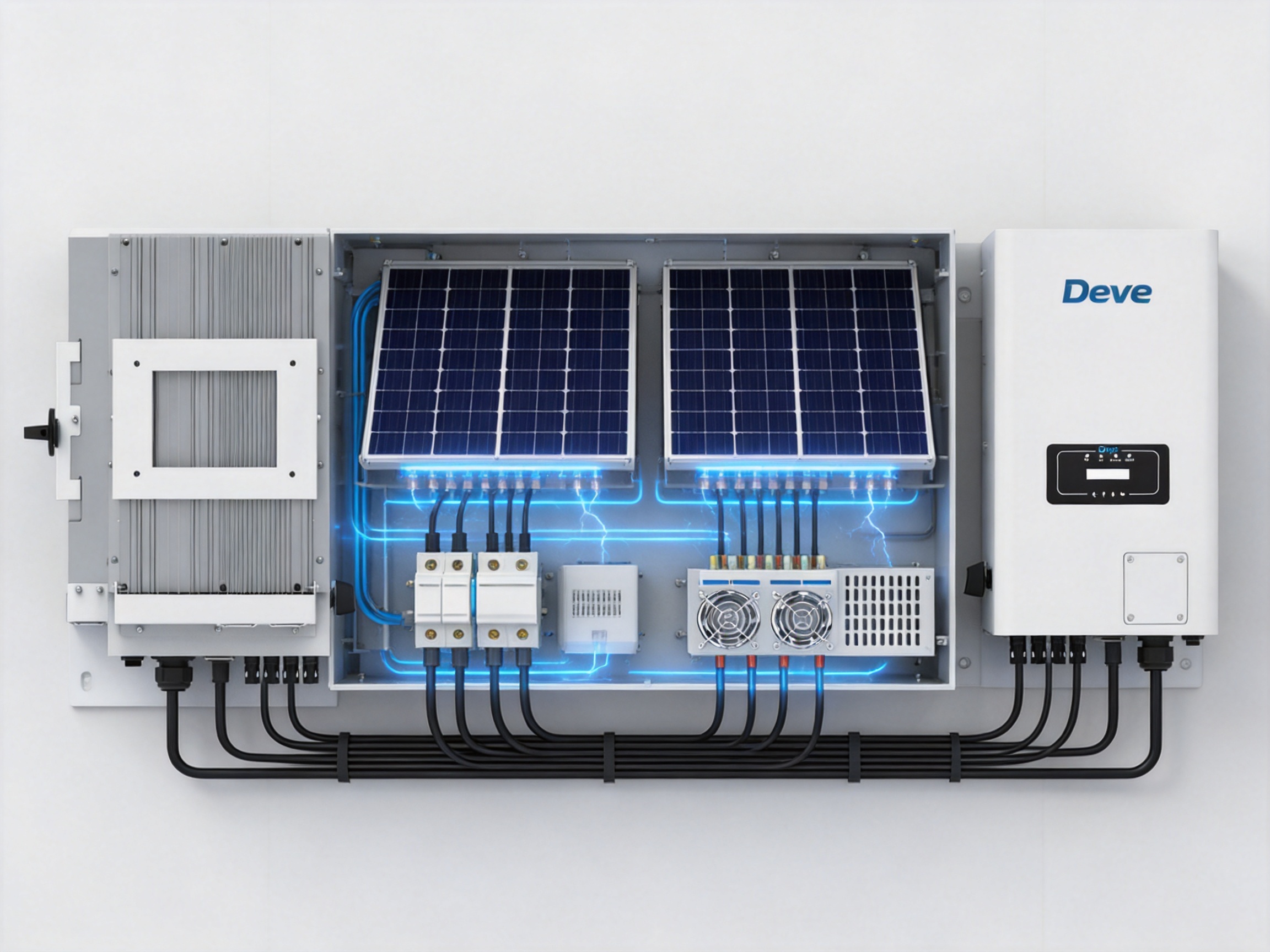
The inverter has a cabinet size of 283 × 525 × 188 mm, excluding connectors and brackets, and a listed weight of 12 kg. This compact format can simplify transportation, wall mounting, and handling during installation. A lighter enclosure may also reduce the structural demands on mounting surfaces compared with larger, heavier central or commercial inverter platforms.
The compact form factor is particularly useful where rooftop space is limited or where multiple inverters must be installed in a dedicated equipment area. Installers can organize several units in a clean array while maintaining the clearances required for ventilation, cable routing, and maintenance access.
Because the product is an air-cooled, non-isolated inverter, the mounting location must be chosen carefully. It should be placed on a solid, nonflammable surface with sufficient airflow and protection from unnecessary mechanical impact. Cable entries should be installed and sealed correctly to preserve the intended IP rating.
The integrated DC switch supports local isolation of the PV input during service procedures. A local switch can simplify maintenance planning, although external AC and DC isolation equipment may also be required by local regulations. The complete isolation procedure must account for the possibility of continued PV voltage in daylight even after the AC side has been disconnected.
Operating noise of no more than 45 dB and the IP65 enclosure make the product a practical choice for many outdoor commercial locations. Even so, it should not be installed directly beside sleeping areas, in poorly ventilated cabinets, or in locations where dust, corrosive vapors, or extreme weather exceed the product’s approved conditions.
Standards, Certification, and International Deployment
The listed grid regulations include IEC 61727, IEC 62116, CEI 0-21, EN 50549, NRS 097, RD 140, UNE 217002, OVE-Richtlinie R25, G99, and VDE-AR-N 4105. These references cover grid interconnection and anti-islanding requirements across several international markets and regional networks.
The listed safety and electromagnetic compatibility standards include IEC/EN 62109-1, IEC/EN 62109-2, IEC/EN 61000-6-1, IEC/EN 61000-6-2, IEC/EN 61000-6-3, and IEC/EN 61000-6-4. Compliance with recognized standards helps project developers, distributors, and installers evaluate whether a product is appropriate for a target market.
The product information also identifies supporting certificates and declarations associated with low-voltage safety, EMC, IEC 60068 environmental testing, IEC 61683 efficiency measurement, IEC 61727 utility interaction, IEC 62116 anti-islanding, European declarations, and country-specific requirements. The precise certificate applicable to a project should be verified with the supplier and local authority before equipment is approved.
International certification coverage is a competitive advantage for a manufacturer serving multiple regions. It can reduce the need to qualify a completely different inverter platform for every market and may simplify distributor inventory planning. It also demonstrates that the product family has been developed with a range of grid and safety environments in mind.
Manufacturing Strength and Product Development Capability
The manufacturer, Ningbo Deye Inverter Technology Co., Ltd., was founded in 2000 and operates as a technology manufacturing enterprise integrating research and development, design, production, sales, and service. This integrated structure is important because inverter quality depends on the coordination of electrical engineering, firmware development, mechanical design, production control, testing, logistics, and after-sales support.
A manufacturer that controls or coordinates the complete product lifecycle can respond more directly to field feedback. Design teams can incorporate service observations into future revisions, production teams can align manufacturing processes with engineering requirements, and service departments can communicate technical issues to the appropriate specialists.
The company was listed on the Shanghai Stock Exchange in April 2021, reflecting an established corporate structure and a larger operating platform. Its business covers PV inverters, energy storage systems, dehumidifiers, HVAC products, and related environmental technologies. This breadth indicates experience in power electronics, thermal management, control systems, and the production of equipment intended for long-term operation.
The company’s core inverter portfolio includes string inverters from 1 kW to 136 kW, energy storage inverters from 3 kW to 80 kW, and microinverters from 300 W to 2.2 kW. It also offers residential energy storage systems, commercial and industrial battery cabinets, modular energy storage systems, PV-battery-EV charging solutions, utility-scale liquid-cooled storage, and single-phase off-grid inverters.
This broad portfolio can benefit customers that want a consistent supplier across multiple project sizes. A distributor may source residential, commercial, and storage equipment from the same manufacturer. An engineering company may develop repeatable commissioning procedures across several inverter categories. A system owner may expand from grid-tied PV into battery storage or EV charging without changing its entire supplier strategy.
Advanced Manufacturing Processes
Although detailed factory process parameters are not included in the supplied material, the company’s integrated manufacturing model points to several important process strengths. Advanced inverter production typically requires controlled assembly of power semiconductor modules, magnetics, control boards, communication boards, cooling systems, protective components, connectors, and enclosure parts.
Manufacturing quality begins with component control. Incoming materials must be checked against approved specifications, lot information, and reliability requirements. Power devices and capacitors are particularly important because they operate under high electrical and thermal stress. Consistent component sourcing and traceability help reduce variation between production batches.
Printed circuit board assembly is another critical stage. High-quality soldering, inspection, thermal interface control, connector placement, and cleaning processes affect long-term reliability. Automated optical inspection, electrical testing, and functional verification are commonly used in modern power electronics manufacturing to identify assembly defects before final shipment.
Mechanical assembly must preserve insulation distances, grounding continuity, sealing performance, and heat-transfer paths. For an IP65 outdoor inverter, enclosure joints, cable glands, covers, and connectors require careful control. Small assembly errors can compromise moisture resistance or create future service issues, which is why production inspection and end-of-line testing are essential.
Firmware and control software are also part of the manufacturing process. A grid-connected inverter must coordinate MPPT control, current regulation, synchronization, anti-islanding response, fault detection, communications, and thermal protection. Production testing should verify that the correct firmware, calibration values, regional settings, and serial-number records are associated with each unit.
Final testing can include insulation resistance, dielectric withstand, grounding continuity, polarity verification, MPPT behavior, AC output regulation, efficiency checks, communications checks, protective shutdown tests, and thermal operation. The exact factory test sequence depends on the product and certification requirements, but comprehensive end-of-line verification is essential for equipment that will be installed in high-voltage outdoor environments.
The manufacturer’s ability to combine product design, manufacturing, sales, and service gives it a foundation for continuous improvement. It also supports product consistency as production volumes increase. For commercial buyers, this matters because repeat projects require dependable availability, stable technical documentation, and predictable commissioning results.
Competitive Advantages in Commercial PV Projects
The product competes in a segment where customers often compare output power, efficiency, MPPT count, input current, protection, communications, physical dimensions, certification, and price. Its competitive position is strongest when several of these characteristics are evaluated together rather than in isolation.
High PV-to-Inverter Ratio
The ability to accept up to 27 kW or 30 kW of PV input provides greater design freedom than an inverter with a lower DC input limit. This can be beneficial for rooftops with strong morning and afternoon production potential, regions with variable irradiance, and projects designed to maximize annual energy rather than only instantaneous peak power.
Broad Voltage and Current Compatibility
A 1,100 V maximum PV input voltage, 120–1,000 V MPPT range, and high current capability make the inverter compatible with many modern module configurations. Installers can design longer strings where appropriate and accommodate higher-current modules without automatically requiring multiple additional inverter units.
Two Independent MPPT Channels
Two MPPT trackers provide a practical balance between flexibility and simplicity. Compared with a single-tracker design, the product is better suited to roofs with different orientations or moderate uneven shading. Compared with more complex systems, it can retain a straightforward string architecture with fewer components to install and maintain.
High Efficiency in a Compact Enclosure
Combining 98.5% maximum efficiency with a 12 kg enclosure provides an attractive power-density proposition. A compact and lightweight inverter can reduce handling effort, simplify mounting, and make better use of limited equipment space. Its IP65 construction further supports outdoor placement when installed according to the relevant instructions.
Grid and Energy Management Functions
Zero-export capability, VSG application support, adjustable power factor, and optional intelligent monitoring distinguish the product from basic grid-tie units. These functions help address modern project requirements, including export constraints, grid-support expectations, and the need for more detailed operational data.
Protection and Global Standards
The combination of anti-islanding protection, insulation monitoring, residual current detection, surge protection, DC switching, and optional AFCI creates a strong safety platform. The range of listed grid regulations and international standards can also reduce barriers when the product is considered for different markets.
System Design Recommendations
Before selecting the inverter, the designer should determine the annual energy objective, expected load profile, available roof area, local grid voltage, utility export policy, and required monitoring strategy. The 18 kW and 20 kW options should be compared with the site’s maximum demand and interconnection approval rather than selected only by nominal PV capacity.
PV string design should begin with the module’s open-circuit voltage at the lowest expected cell temperature. The calculated maximum string voltage must remain below the inverter’s 1,100 V maximum input voltage. The designer should also confirm that the normal operating voltage remains inside the 120–1,000 V MPPT range over the expected temperature range.
String current must be checked against both maximum short-circuit current and maximum operating input current. Parallel strings connected to a tracker should be electrically compatible. Different roof orientations should be separated between MPPT trackers wherever practical, and shading analysis should be performed before deciding whether optional string monitoring or module-level optimization is necessary.
AC cable sizing should account for rated and maximum output current, voltage drop, ambient temperature, grouping, installation method, and local code. The 18 kW model has rated output currents of 27.3 A at 380 V and 26.1 A at 400 V, with maximum values of 30 A and 28.7 A respectively. The 20 kW model has rated values of 30.4 A at 380 V and 29 A at 400 V, with maximum values of 33.4 A and 31.9 A.
For zero-export projects, the metering point must be selected carefully. The control system should measure import and export at the correct point of common coupling and should be tested under changing loads. Commissioning should include high-load, low-load, and rapid-load-change scenarios so the installer can verify that unwanted export is controlled within the permitted limit.
For installations using communications accessories, the project should define who will receive alarms, how long data will be retained, and how remote access will be secured. Monitoring is most valuable when someone is responsible for reviewing alerts and taking action. Simply connecting an inverter to a network without an operational response plan does not guarantee improved maintenance.
Installation, Commissioning, and Maintenance
Installation should be performed by qualified personnel following the official instructions and local electrical regulations. The mounting surface must support the inverter’s weight and remain suitable for outdoor service. Adequate clearances should be maintained around the enclosure to allow cooling airflow and access to wiring and service points.
Before energization, installers should verify PV polarity, open-circuit voltage, insulation resistance, string labeling, connector condition, protective earth continuity, AC phase sequence, grid voltage, and communications wiring. The DC switch should be operated only according to the documented procedure. PV strings can remain energized under daylight, so appropriate personal protective equipment and safe working methods are necessary.
Commissioning should include setting the country or grid-code profile, confirming the nominal voltage and frequency, configuring reactive power or power factor requirements, testing monitoring connections, and checking alarms. Where zero-export control is used, meter direction and phase correspondence should be verified individually rather than assumed.
Routine maintenance generally includes visual inspection, checking for dust or obstruction, reviewing event logs, examining cable entries, checking connector condition, and confirming that ventilation paths remain clear. The frequency depends on the environment. Agricultural, coastal, dusty, or chemically exposed locations may require more frequent inspections than clean commercial rooftops.
Operators should compare energy production between similar strings and between neighboring inverters. A gradual reduction may indicate soiling or shading, while an abrupt difference may indicate a connector, cable, fuse, module, or tracker issue. Monitoring data can help distinguish a PV-side issue from an AC-grid event or inverter protection response.
Serviceability, Warranty, and Lifecycle Value
The standard warranty is listed as five years, with extended warranty available. A longer coverage period may be appropriate for commercial assets whose financial models extend well beyond the initial operating years. Owners should review the exact warranty terms, registration requirements, geographic coverage, labor provisions, replacement procedures, and conditions relating to approved installation and maintenance.
Lifecycle value depends on more than the original purchase price. High efficiency can increase energy revenue, while broad input capability can reduce the need for additional equipment. A compact 12 kg design may lower installation labor. Monitoring can reduce troubleshooting time, and integrated protection can help avoid damage caused by common electrical faults.
The manufacturer’s global product and service structure is also relevant to lifecycle planning. A company with experience across PV inverters, energy storage, microinverters, and commercial systems can offer a broader technical base as a customer’s energy requirements develop. The supplied company information states that its products are sold in more than 140 countries and regions, indicating broad international market experience.
For distributors and engineering contractors, supply continuity and documentation are essential. A large product family allows businesses to standardize training, spare parts, monitoring procedures, and sales support. It may also make it easier to combine this string inverter with compatible storage or EV charging equipment in future projects.
Recommended Use Cases
Commercial Rooftops
Warehouses, retail buildings, and offices often have substantial daytime consumption that matches solar production. The inverter’s three-phase output, zero-export capability, and optional monitoring make it appropriate for sites seeking to reduce purchased electricity while staying within grid export limits.
Agricultural Buildings
Farms and agricultural facilities frequently include pumps, ventilation systems, refrigeration, and processing equipment. The broad PV voltage range and outdoor enclosure can support these installations, provided that the site is protected from excessive dust, corrosive chemicals, and unsuitable environmental exposure.
Schools and Public Facilities
Schools, municipal buildings, and community facilities may benefit from quiet operation, compact dimensions, and detailed monitoring. The equipment can help demonstrate renewable energy performance while allowing facility managers to observe production and consumption patterns.
Small Industrial Systems
Workshops and light industrial sites can use the 18 kW or 20 kW model as part of a distributed inverter layout. Multiple string inverters can provide modular capacity and may limit the impact of a single-unit outage compared with a single large central inverter.
Complex Residential or Multi-Building Projects
Large homes, residential compounds, and multi-building properties may require three-phase generation and separate roof sections. Two MPPT trackers provide useful flexibility where the array is distributed across different orientations, while optional communications can support remote monitoring.
Limitations and Selection Considerations
No inverter is ideal for every project. This product is a non-isolated inverter, so the PV system must meet the grounding, module compatibility, insulation, and local regulatory requirements applicable to transformerless systems. Designers should confirm module manufacturer recommendations and any restrictions involving ungrounded arrays or specific module technologies.
The inverter has two MPPT trackers, not a separate tracker for every string or roof section. Projects with many orientations, severe uneven shading, or complex module-level mismatch may require additional design measures, more inverters, or module-level power electronics. Optional string intelligent monitoring can improve visibility, but it does not eliminate physical shading or poor string design.
AFCI is listed as optional. If the authority having jurisdiction or project specification requires arc-fault detection, the order configuration must include the appropriate AFCI option. Similarly, GPRS, Wi-Fi, Bluetooth, 4G, and LAN monitoring are described as optional modes, so accessories and compatibility should be confirmed before procurement.
The listed operating temperature range should be checked against the latest official datasheet because the supplied presentation states “-25 to -60°C,” which may require clarification. Environmental suitability should never be inferred from an ambiguous value. The same principle applies to certification scope, firmware features, export-control equipment, and regional grid profiles.
Q&A
What type of inverter is this product?
It is a three-phase grid-connected string inverter available in 18 kW and 20 kW versions. It is intended for photovoltaic systems connected to a three-phase low-voltage utility network.
How much PV capacity can be connected?
The 18 kW model supports a maximum PV input power of 27 kW, while the 20 kW model supports up to 30 kW. The final array size must also comply with voltage, current, temperature, module, and local regulatory requirements.
How many MPPT trackers does it have?
The inverter has two independent MPP trackers, with two string inputs per tracker as specified by the 2/2+2 configuration.
What is the maximum PV input voltage?
The maximum PV input voltage is 1,100 V. The MPPT operating range is 120–1,000 V, and the start-up voltage is 140 V.
What are the efficiency ratings?
The maximum efficiency is 98.5%, the European efficiency is 98.0%, and the MPPT efficiency is greater than 99%.
Can the inverter be used for zero-export projects?
Yes. Zero-export application is listed as one of the product’s supported functions. A compatible meter and correctly configured energy management system are required to control export at the relevant point of connection.
Does it support reactive power control?
Yes. The stated power factor adjustment range is 0.8 leading to 0.8 lagging. The applicable settings should be selected according to the local grid code and utility requirements.
What communications options are available?
RS485 and RS232 are listed as communication interfaces. GPRS, Wi-Fi, Bluetooth, 4G, and LAN are available as optional monitoring modes, subject to the selected accessories and regional configuration.
Is string-level monitoring available?
String intelligent monitoring is available as an option. It can help identify performance differences between strings and support faster troubleshooting.
What protection functions are included?
Listed functions include DC reverse-polarity protection, AC overcurrent and overvoltage protection, short-circuit protection, thermal protection, insulation impedance detection, DC component monitoring, anti-islanding protection, residual current detection, Type II DC and AC surge protection, and an integrated DC switch. AFCI is optional.
Can it be installed outdoors?
Yes. The enclosure is rated IP65, and the inverter is designed for outdoor installation when the mounting environment, clearances, wiring, and local conditions comply with the official instructions.
How large and heavy is the inverter?
The cabinet measures 283 × 525 × 188 mm, excluding connectors and brackets, and weighs approximately 12 kg.
What is the warranty period?
The standard warranty is five years, with extended warranty options available. Buyers should confirm the precise terms and conditions for their market and project.
Which standards and grid regulations are listed?
The product information lists IEC 61727, IEC 62116, CEI 0-21, EN 50549, NRS 097, RD 140, UNE 217002, OVE-Richtlinie R25, G99, VDE-AR-N 4105, IEC/EN 62109-1, IEC/EN 62109-2, and several IEC/EN electromagnetic compatibility standards.
What makes this inverter competitive?
Its main competitive strengths are high PV oversizing capability, two MPPT trackers, broad voltage and current compatibility, 98.5% maximum efficiency, compact IP65 construction, advanced protection, optional string monitoring, zero-export and VSG application support, and compatibility with multiple international grid requirements.
Conclusion
The SUN-18/20K-G06P3-EU-BM2-P1 is a versatile three-phase string inverter for commercial and other medium-scale photovoltaic applications. Its 18 kW and 20 kW output options provide practical sizing flexibility, while the 27 kW and 30 kW maximum PV input ratings allow designers to build higher-capacity arrays for improved daily energy production.
The combination of two MPPT trackers, a 120–1,000 V MPPT range, 1,100 V maximum PV input voltage, high current capability, and greater than 99% MPPT efficiency supports a broad selection of modern PV modules and rooftop layouts. High conversion efficiency, low harmonic distortion, adjustable power factor, and three-phase grid compatibility further strengthen its value in commercial installations.
Zero-export capability, VSG application support, optional string intelligent monitoring, multiple communications choices, and a comprehensive protection package make the product more adaptable than a basic grid-tie inverter. Its compact 12 kg enclosure, IP65 rating, intelligent air cooling, and low stated noise level also help simplify installation and operation.
The manufacturer’s integrated R&D, design, production, sales, and service model provides an important foundation for product consistency and long-term support. Its broad portfolio across string inverters, microinverters, hybrid systems, energy storage, EV charging, and environmental appliances demonstrates extensive experience in power electronics and energy technologies.
For the best results, the inverter should be selected as part of a complete engineering process. Designers must verify string voltage, current, temperature, grid code, protection coordination, export-control equipment, communication accessories, environmental conditions, and certification requirements. When properly matched to the PV array and site, this inverter offers a strong combination of energy yield, design flexibility, safety, monitoring, and commercial practicality.
References
Product Technical Datasheet, SUN-18/20K-G06P3-EU-BM2-P1, English edition.
Installation Instructions, SUN-18/20K-G06P3-EU-BM2 Series.
IEC 61727, Photovoltaic Systems: Utility Interface Characteristics.
IEC 62116, Utility-Interconnected Photovoltaic Inverters: Test Procedure of Islanding Prevention Measures.
IEC/EN 62109-1, Safety of Power Converters for Use in Photovoltaic Power Systems: General Requirements.
IEC/EN 62109-2, Safety of Power Converters for Use in Photovoltaic Power Systems: Particular Requirements for Inverters.
EN 50549, Requirements for the Connection of Generators in Parallel with Public Distribution Networks.
IEC 61000 Series, Electromagnetic Compatibility Requirements and Testing.
Manufacturer Corporate and Product Information, Ningbo Deye Inverter Technology Co., Ltd.
Product: SUN-18/20K-G06P3-EU-BM2-P1
PREV:Three-Phase String Inverters for Efficient, Flexible, and Reliable Solar Generation
NEXT:15–18 kW Split Phase Hybrid Inverter for Resilient Solar and Storage Systems
Share
Product recommendations
news recommendations
-
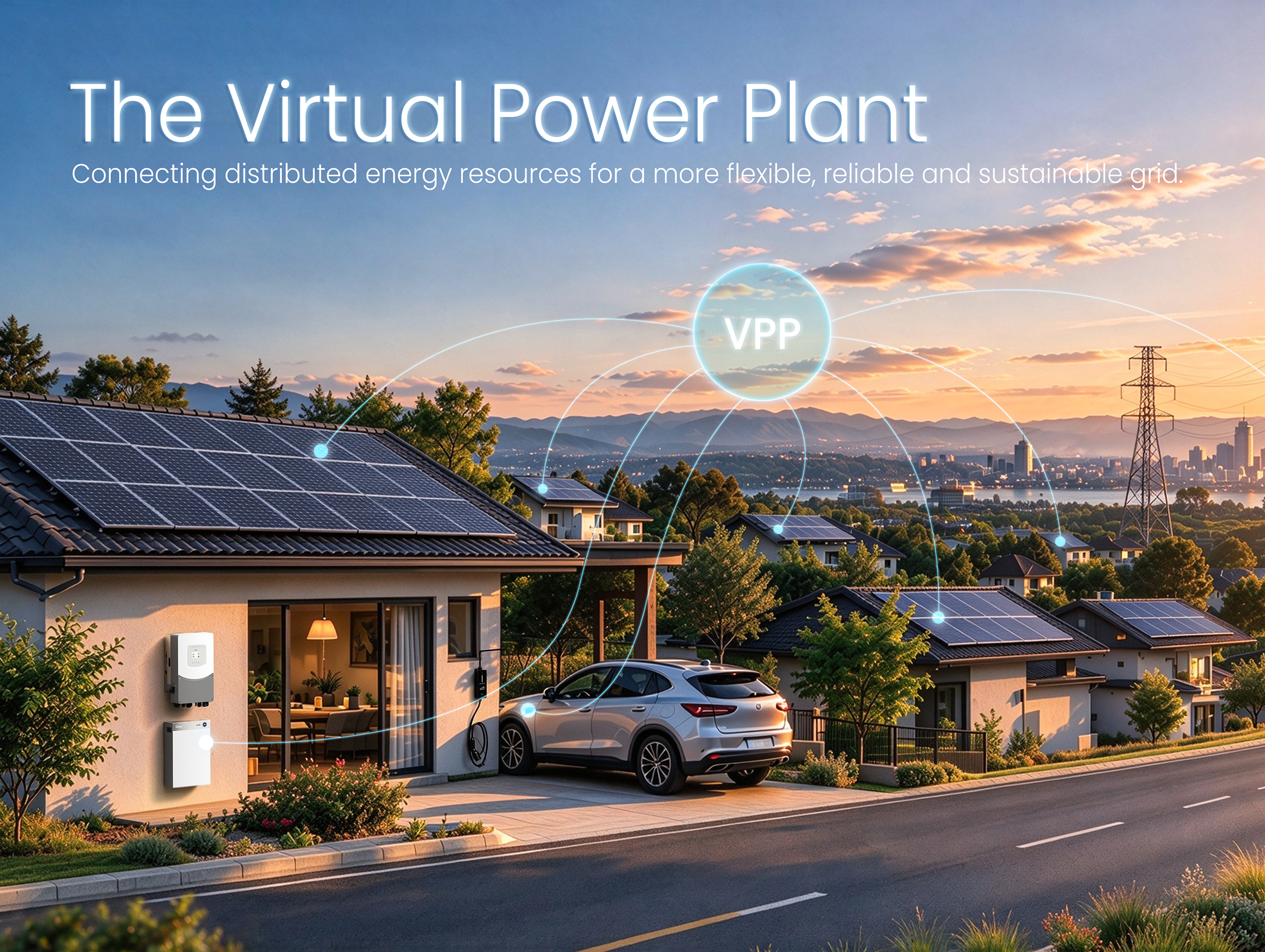 From Centralized Grids to Virtual Power Plants: The Next Evolution of the Power System
For more than a century, power systems around the world have relied on a centralized model. Large p...
-
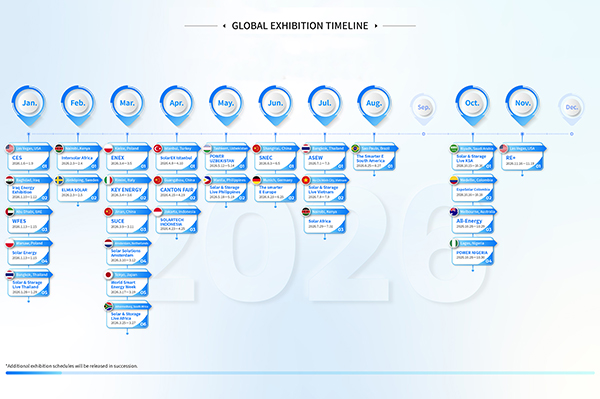 GLOBAL EXHIBITION TIMELINE
*Click to view larger image
-
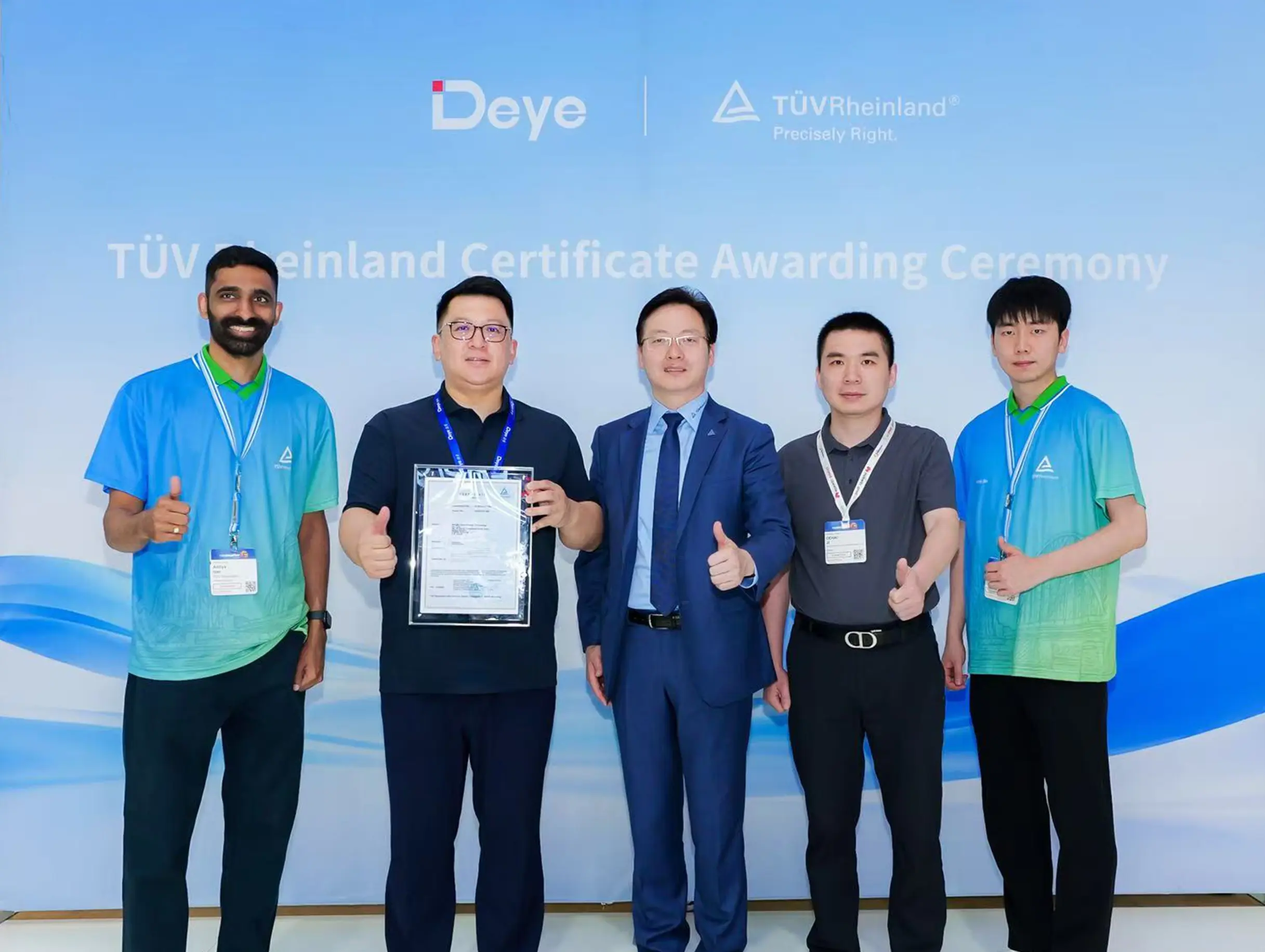 Deye Secures Multiple TÜV Rheinland Certifications at The smarter E Europe
On June 23, the opening day of The smarter E Europe 2026, Deye was officially awarded several presti...

Copyright@ 2024.Ningbo Deye Inverter Technology Co.,Ltd. All rights reserved. Solar Inverter Manufacturer
