
 Online Shop
 English
 China - 简体中文
 Global - English
 Brazil - Português
 Netherlands - Dutch
 Italy - Italiano
 Germany - Deutsch
 Spain - Español
 France - Français
 Vietnam - Tiếng Việt
 Poland - Polski
 Australia - English
 Japan - 日本語
Luo Qinxue — Regional Sales Manager, On-Grid Inverter Solutions

High-Performance Single-Phase Hybrid Inverter for Flexible Residential and Small-Scale Energy Systems
The transition toward distributed renewable energy is changing the way homes, farms, small businesses, and light commercial facilities generate, store, and consume electricity. Solar photovoltaic systems can reduce dependence on the public grid, but the greatest value is achieved when solar generation, battery storage, backup power, and intelligent energy management operate as one coordinated system. The SUN-7/7.6/8/10/12K-SG06LP1-EU-BM3 product family is designed for precisely this purpose.
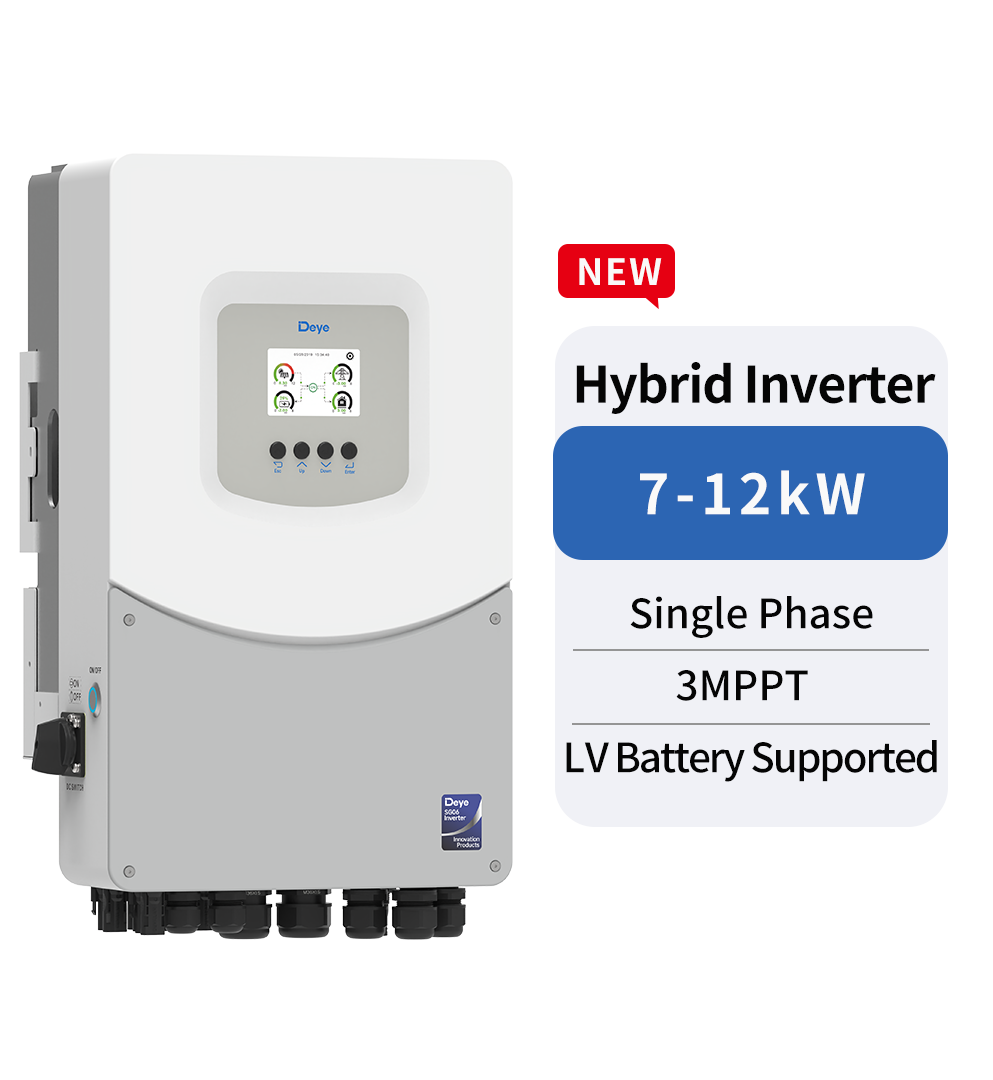
This single-phase low-voltage hybrid inverter family combines a high-power solar charge controller, battery inverter, grid-interactive inverter, backup power supply, and energy management platform in one compact device. Available in five power ratings from 7 kW to 12 kW, it gives installers and system designers the flexibility to match inverter capacity with different household loads, photovoltaic array sizes, and battery configurations.
The product is particularly suitable for applications that require strong backup performance, substantial battery charging and discharging capability, compatibility with low-voltage batteries, and the possibility of expanding a system over time. Its three maximum power point trackers, wide photovoltaic voltage range, AC-coupling capability, multiple operating modes, and support for parallel operation make it adaptable to both new installations and retrofit projects.
1. A Flexible Energy Platform Rather Than a Conventional Inverter
A conventional grid-tied inverter primarily converts direct current from solar modules into alternating current for immediate use or export to the grid. That design is effective when the grid is stable and energy storage is not required. However, it offers limited flexibility during outages, periods of low solar production, or times when electricity prices are high.
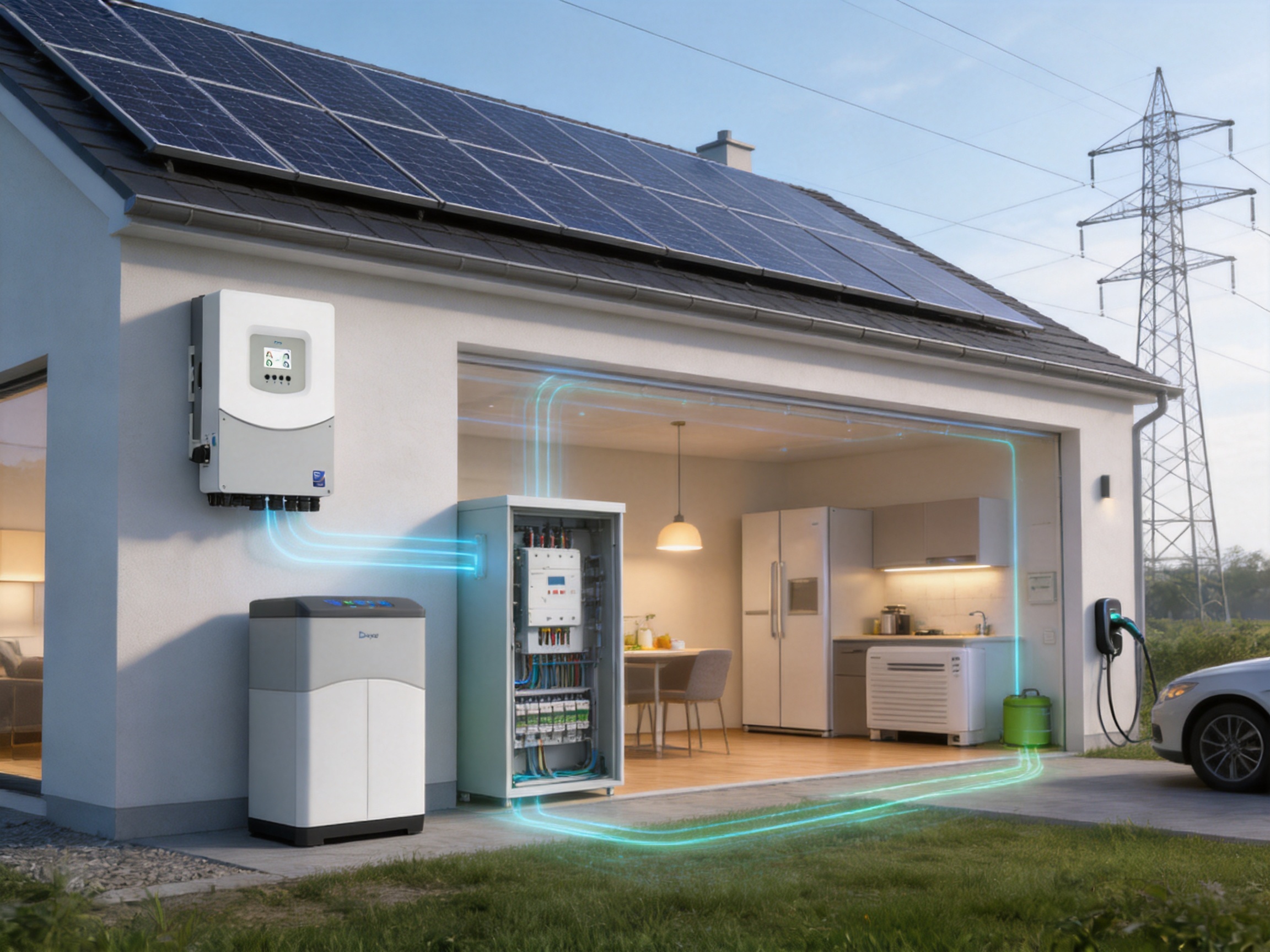
The SUN-7/7.6/8/10/12K-SG06LP1-EU-BM3 is engineered as a hybrid energy platform. It can accept power from photovoltaic modules, a battery bank, the public grid, and a diesel generator. It can direct energy to household or facility loads, store excess solar production, discharge batteries during peak demand, and provide backup power when the grid is unavailable.
This integrated design reduces the need to combine several independent devices. A system can be built around one hybrid inverter and then expanded through additional battery capacity, photovoltaic generation, or parallel inverters. The result is a more coordinated energy architecture, simplified control logic, and greater freedom for system designers.
The five available models share a common platform and general electrical architecture. Their principal differences are their rated power, maximum current, photovoltaic access power, and maximum photovoltaic input power. This common platform can simplify product selection, installation training, maintenance procedures, and spare-parts planning for distributors and professional installers.
| Model | Rated AC Input/Output Power | Maximum PV Access Power | Maximum PV Input Power | Maximum Charging/Discharging Current |
|---|---|---|---|---|
| SUN-7K-SG06LP1-EU-BM3 | 7,000 W | 14,000 W | 11,200 W | 175 A |
| SUN-7.6K-SG06LP1-EU-BM3 | 7,600 W | 15,200 W | 12,160 W | 185 A |
| SUN-8K-SG06LP1-EU-BM3 | 8,000 W | 16,000 W | 12,800 W | 185 A |
| SUN-10K-SG06LP1-EU-BM3 | 10,000 W | 20,000 W | 16,000 W | 220 A |
| SUN-12K-SG06LP1-EU-BM3 | 12,000 W | 24,000 W | 19,200 W | 250 A |
One of the most important characteristics of this family is the ability to support substantial photovoltaic oversizing. Depending on the selected model, the maximum permitted photovoltaic access power ranges from 14 kW to 24 kW. This can be valuable in locations with limited sunlight, high winter demand, or significant morning and afternoon load differences. A larger array can help the system harvest more energy across the day while remaining within the inverter’s specified operating limits.
2. Low-Voltage Battery Compatibility and High Current Capability
The inverter supports battery voltages from 40 V to 60 V and is compatible with lead-acid or lithium-ion battery technologies. Low-voltage battery architecture is widely used in residential and small commercial energy storage because it provides broad battery selection and can simplify compatibility with modular battery products.
The maximum battery charging and discharging current is one of the product family’s most notable strengths. Depending on the model, current capability reaches between 175 A and 250 A. The 12 kW model can therefore deliver particularly strong battery power for applications that require large loads, rapid charging, or extended backup operation.
High battery current capability is especially important when a system uses a low-voltage battery bank. At a similar power level, a lower battery voltage requires a higher current than a high-voltage battery system. The inverter is designed to handle this operating requirement while providing controlled charging and discharging through its battery management functions.
For lithium-ion batteries, the charging strategy is described as self-adaptive to the battery management system. This allows the inverter to coordinate with compatible battery protection and monitoring systems rather than relying only on fixed charging parameters. The result can be more appropriate charging control, improved system coordination, and better visibility of battery operating conditions.
The inverter has one battery input and supports multiple batteries connected in parallel. This enables system designers to increase usable storage capacity without replacing the inverter. Parallel battery arrangements can be used to meet different requirements for energy capacity, discharge power, and backup duration, provided that the batteries, protection equipment, communication interfaces, cabling, and installation design are correctly matched.
Six programmable time periods are available for battery charging and discharging. This feature allows the system to respond to time-of-use tariffs, solar production patterns, backup priorities, or site-specific operating schedules. For example, the battery may charge from solar energy during daylight hours, discharge during an evening demand period, and reserve a defined state of charge for an expected grid interruption.
The time-period function also provides a practical advantage over simpler storage inverters that operate only in a basic self-consumption mode. Energy use can be scheduled according to the customer’s priorities rather than being controlled by a single fixed rule.
3. Three MPPT Channels for Complex Solar Roofs
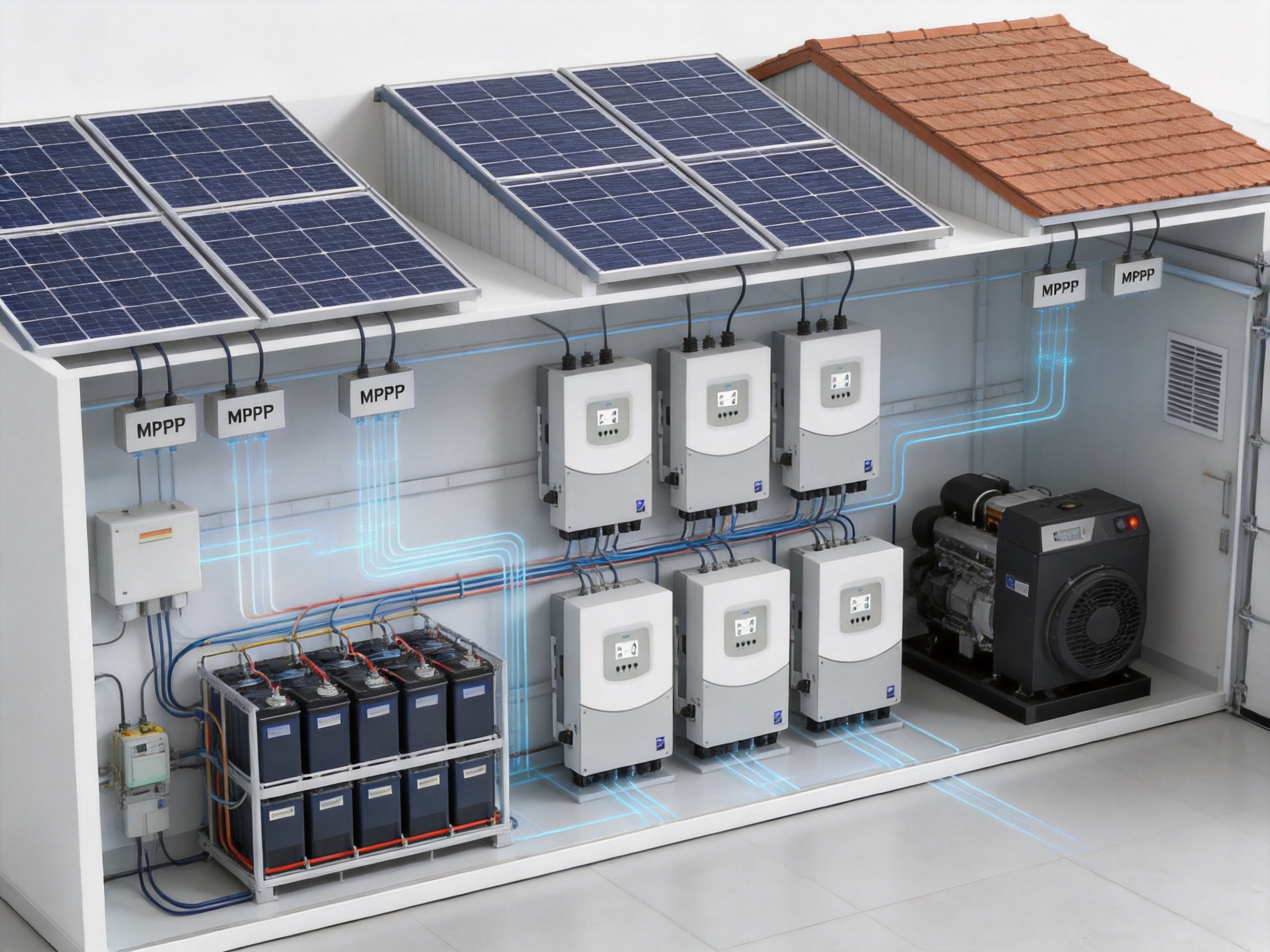
The product family incorporates three maximum power point trackers. The available string configurations are either 3 MPPTs with 2+1+1 strings or 3 MPPTs with 2+2+1 strings, depending on the model configuration shown in the technical data. This arrangement gives the inverter a high degree of flexibility when photovoltaic modules are installed on several roof surfaces or at different orientations.
Multiple MPPT channels are valuable because each roof orientation may receive different levels of sunlight during the day. A single tracker serving strings with significantly different orientations can reduce the overall energy harvest. By assigning different roof sections to independent trackers, the system can operate more effectively under unequal irradiance conditions.
The maximum photovoltaic input voltage is 500 V, while the start-up voltage is 125 V. The MPPT voltage range extends from 150 V to 425 V, with a rated photovoltaic input voltage of 370 V. These values provide installers with a broad design window for selecting module quantities and arranging strings while maintaining appropriate operating margins.
The input current arrangement is also substantial. Depending on the model, the maximum operating current is specified as 36+18+18 A or 36+36+18 A, and the maximum short-circuit current is specified as 54+27+27 A or 54+54+27 A. These ratings are important when the system is paired with modern high-current photovoltaic modules.
Installers should always verify the module electrical characteristics, string length, cold-weather open-circuit voltage, current limits, cable sizing, and local regulations before finalizing a design. The inverter’s broad specifications create design flexibility, but correct engineering remains essential for safe and efficient operation.
SUN-7/7.6/8/10/12K-SG06LP1-EU-BM3
4. AC Coupling for Retrofit Solar Projects
Many existing solar installations were originally designed as grid-tied systems without battery storage. When the owner later wants backup capability or greater self-consumption, replacing the original photovoltaic inverter may be expensive and disruptive. The AC-coupling function of this product family provides another approach.
By coupling the hybrid inverter to an existing AC solar system, an installer can retrofit energy storage without necessarily removing the original photovoltaic inverter. Solar energy produced by the existing system can be used by local loads, stored in the battery, or managed according to the selected operating strategy.
This capability is a significant advantage in mature solar markets where many installed systems are now ready for modernization. It can extend the useful value of existing equipment, reduce the scope of renovation work, and give customers a path toward backup power and energy independence.
AC coupling also gives system designers more freedom when combining different generations of equipment. However, compatibility checks are still required. The installer must assess the existing inverter’s grid behavior, power rating, anti-islanding characteristics, control method, backup architecture, and interaction with the new hybrid inverter. Proper commissioning is necessary to ensure that both systems operate safely during normal conditions and grid outages.
5. High-Power Backup and Parallel System Expansion
Energy storage has become increasingly important because many customers want electricity to remain available during grid interruptions. The inverter provides an off-grid peak power capability equal to two times the rated power for 10 seconds. This short-duration overload capability is intended to help start or support demanding loads such as pumps, compressors, refrigeration equipment, and other appliances with high inrush current.
Backup performance depends on the selected model, battery capability, wiring, protective devices, and the loads connected to the backup output. Nevertheless, the two-times-rated-power specification gives the system a stronger short-term response than a simple continuous-power calculation would suggest.
The inverter supports up to 16 units operating in parallel for on-grid and off-grid applications. This is a major scalability feature. A single unit can serve a moderate residential installation, while multiple units can be coordinated for larger homes, agricultural facilities, workshops, community buildings, or small commercial sites.
Parallel operation can increase total available power, improve system design flexibility, and provide a practical expansion route as energy demand grows. It can also allow the installer to distribute power across several inverter units rather than depending on one large device. Before using a parallel configuration, the complete system must be designed according to the manufacturer’s requirements for communication, phase arrangement, current sharing, battery connection, AC distribution, grounding, and protection.
For facilities with variable energy needs, this modular approach can reduce the risk of oversizing at the beginning of a project. A customer may start with a smaller system and add inverter capacity when electric vehicles, heat pumps, machinery, or additional buildings are introduced.
6. Support for Diesel Generator Integration
Solar and battery systems do not need to operate in isolation. In remote areas, farms, workshops, and facilities with unreliable grids, a diesel generator may remain an important source of backup power. The inverter supports storing energy from a diesel generator, allowing generator output to be used not only for immediate loads but also for battery charging.
This can improve generator utilization. Instead of operating a generator only when a large load is present, the system can use it to replenish the battery and then shut it down when sufficient energy has been stored. Battery power can subsequently support lighter loads without requiring the generator to run continuously.
A coordinated generator and battery system may reduce unnecessary operating hours, improve fuel utilization, and provide more stable power for sensitive loads. It can also assist sites that have periods of high demand but limited grid availability.
Generator integration requires careful consideration of generator sizing, voltage and frequency stability, neutral arrangements, transfer equipment, control signals, and local safety rules. The inverter’s support for generator energy storage provides the functional foundation, while the final design must be completed by qualified professionals.
7. Electrical Performance and Conversion Efficiency
The inverter is designed for single-phase electrical systems with a rated input and output voltage of 220/230 V. The specified voltage operating range is 0.85 to 1.1 times the nominal voltage, with L+N+PE connection. It supports 50 Hz operation with a frequency range of 45 to 55 Hz and 60 Hz operation with a frequency range of 55 to 65 Hz.
The rated AC input and output current varies by model. For the 7 kW version, the rated input/output current is listed as 31.9/30.5 A. For the 12 kW version, it increases to 54.6/52.2 A. Maximum AC input/output current ranges from 35.0/33.5 A to 60/57.4 A across the family.
The maximum AC input/output apparent power ranges from 7,700 VA to 13,200 VA. These values help designers account for the difference between real power and apparent power, especially when the installation includes motors, transformers, pumps, or other equipment with non-unity power factor.
The product offers a power factor adjustment range from 0.8 leading to 0.8 lagging. This can support grid management requirements and help accommodate loads that generate reactive power. It also gives system operators greater control when the installation is subject to local grid-support rules.
Total current harmonic distortion is specified at less than 3 percent at nominal power. Low harmonic distortion is beneficial for power quality and can reduce unwanted electrical stress on connected equipment. DC injection current is specified at less than 0.5 percent of nominal current.
Maximum efficiency reaches 97.6 percent, while European efficiency is specified at 96.5 percent. Maximum efficiency indicates the best-case conversion performance under favorable operating conditions, whereas European efficiency provides a weighted estimate across a range of operating points. The MPPT efficiency is greater than 99 percent, supporting effective photovoltaic energy harvesting when array voltage and operating conditions change.
| Electrical Parameter | Specification |
|---|---|
| Battery voltage range | 40–60 V |
| Maximum PV input voltage | 500 V |
| Start-up voltage | 125 V |
| MPPT voltage range | 150–425 V |
| Rated PV input voltage | 370 V |
| Number of MPPTs | 3 |
| Maximum efficiency | 97.6% |
| European efficiency | 96.5% |
| MPPT efficiency | Greater than 99% |
| Peak off-grid power | Two times rated power for 10 seconds |
| Maximum continuous AC passthrough | 65 A or 70 A, depending on configuration |
8. Protection, Safety, and Reliability Features
Energy systems combine high-voltage photovoltaic circuits, high-current batteries, grid power, and electronic switching devices. Protection functions are therefore essential. The inverter integrates a broad group of electrical and operational protections, including DC reverse polarity protection, AC output overcurrent protection, thermal protection, AC output overvoltage protection, AC output short-circuit protection, DC component monitoring, anti-islanding protection, insulation impedance detection, residual current detection, and a DC switch.
Arc fault circuit interrupter protection is available as an optional function. AFCI technology can help identify certain dangerous arc conditions in photovoltaic circuits. Its suitability and configuration depend on the project, local standards, and the selected product version.
Surge protection is specified as Type II on the DC side and Type II on the AC side. The inverter also has overvoltage categories of OVC II for DC and OVC IV for AC. These ratings form part of the equipment’s protection architecture, while the complete installation still requires correctly selected external surge protection, grounding, bonding, circuit breakers, and isolators where required by local regulations.
Anti-islanding protection is particularly important for grid-connected equipment. It helps prevent the inverter from continuing to energize a public grid circuit when the grid supply has been interrupted. This function contributes to the safety of utility personnel and the stability of the electrical network.
Residual current detection and DC component monitoring provide additional layers of protection against abnormal leakage or unwanted direct-current injection. Together with thermal monitoring and overcurrent protection, these functions help the inverter respond to electrical or environmental conditions that could otherwise damage equipment or create unsafe operating conditions.
9. Enclosure Design for Challenging Environments
The inverter has an IP65 ingress protection rating. This means the enclosure is designed to resist dust ingress and water jets from multiple directions when installed correctly. IP65 protection makes the product suitable for a variety of indoor and outdoor applications, including residential walls, utility areas, garages, agricultural buildings, and small commercial installations.
The specified operating temperature range is from -40°C to +60°C, with derating above 45°C. This broad range supports deployment in cold climates as well as hot environments. Installers must still avoid direct exposure to avoidable heat sources, allow sufficient clearance, and follow the prescribed mounting and ventilation requirements.
Permissible ambient humidity is specified from 0 to 100 percent, and the permissible altitude is up to 3,000 meters. The product’s noise level is below 45 dB, supporting use near occupied areas when the installation location is appropriately selected.
Intelligent air cooling helps manage thermal conditions. Instead of relying solely on passive heat dissipation, the inverter can regulate airflow according to operating temperature and power conditions. Effective thermal management is important because electronic components, switching devices, and power conversion circuits operate more efficiently when heat is controlled.
The cabinet size is 340 by 580 by 227 millimeters, excluding connectors and brackets. Weight is listed as 23.7 kg or 24.5 kg depending on the model configuration. The compact form factor can simplify wall mounting and transportation, although professional installers should use suitable lifting, mounting, and clearance procedures.
10. User Interface and Communication
A colorful touch LCD provides direct access to operating information and configuration functions. A clear local interface is valuable during installation and commissioning because technicians can review voltage, current, power flow, battery status, alarms, and operating modes without relying exclusively on an external device.
Local visibility can also help customers understand how their system is working. Solar generation, household consumption, battery charging, battery discharge, grid import, and grid export are easier to manage when the information is presented in a straightforward way.
The communication interfaces include Wi-Fi, RS485, and CAN. Wi-Fi can support convenient network connectivity and remote monitoring functions. RS485 is widely used for stable wired communication in energy equipment, meters, and control devices. CAN communication is particularly relevant for battery management system integration, where reliable exchange of battery status and protection information is required.
The combination of wireless and wired interfaces provides flexibility for different project types. A residential customer may prefer a straightforward wireless connection, while a larger installation may require wired communication between parallel inverters, batteries, meters, and supervisory devices.
Communication design should be completed with attention to cable routing, termination, shielding, network topology, electromagnetic compatibility, and cybersecurity practices. Remote monitoring is most useful when it is supported by sound commissioning procedures and clear access controls.
11. Advantages in Comparison with Less Flexible Inverter Designs
Product comparisons should always be based on the actual requirements of a project, because no single inverter is ideal for every application. Nevertheless, this hybrid inverter family offers several characteristics that can provide an advantage over simpler or less expandable designs.
11.1 More Operating Functions in One Platform
A basic string inverter may provide solar conversion but no battery management or backup output. A basic battery inverter may store energy but require a separate solar inverter. This product combines solar conversion, battery charging and discharging, grid interaction, backup supply, AC coupling, and generator energy storage in one platform.
Fewer major conversion devices can simplify system architecture and reduce the number of separate control points. This can benefit installation planning, troubleshooting, and customer training.
11.2 Strong Low-Voltage Battery Performance
Some competing systems focus primarily on high-voltage batteries. Low-voltage battery systems remain attractive because they are available in many modular formats and can be easier to expand in certain residential applications. With charging and discharging current up to 250 A, this product family is well suited to high-power low-voltage storage designs.
11.3 Three Independent MPPT Channels
Many installations have multiple roof orientations, partial shading, dormer windows, chimneys, or separate building sections. Three MPPT channels provide more freedom than a single-tracker design and can reduce the performance impact of differently oriented strings.
11.4 Broad Expansion Capacity
Support for up to 16 parallel inverters gives the platform a substantial growth path. A product that can serve both a single residence and a larger parallel installation may reduce the need for installers to maintain several unrelated inverter platforms.
11.5 Retrofit Readiness
AC coupling makes the inverter relevant not only to new solar installations but also to existing systems. Retrofit compatibility can be a major commercial advantage in markets with a large installed base of grid-tied photovoltaic systems.
11.6 Advanced Energy Scheduling
Six charging and discharging time periods provide more control than a basic charge-and-discharge setting. Customers can use the system to respond to tariffs, preserve emergency reserves, and prioritize solar self-consumption.
11.7 Strong Environmental Protection
The IP65 enclosure, wide temperature range, intelligent air cooling, and compact design support installations in varied climates. These characteristics can be particularly valuable where equipment must be installed outside the main conditioned living area.
12. Manufacturing Strength and Product Development Capabilities
The performance of an inverter is not determined only by its published electrical ratings. Manufacturing consistency, component selection, firmware development, production testing, supply-chain coordination, and after-sales support all influence the long-term value of the equipment.
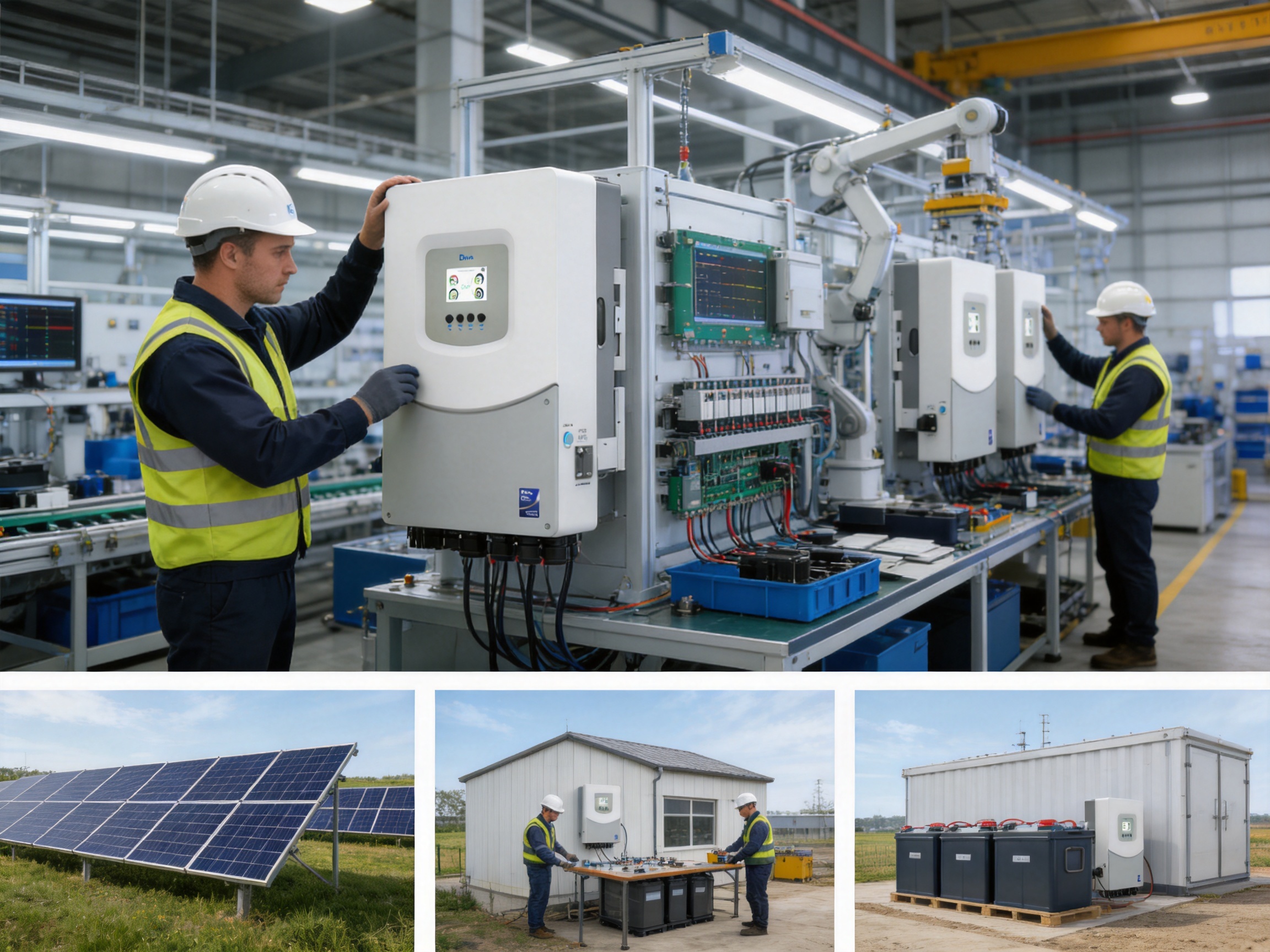
Ningbo Deye Inverter Technology Co., Ltd. was founded in 2000 and operates as a technology manufacturing enterprise integrating research and development, design, production, sales, and service. This integrated structure supports closer coordination between engineering teams and manufacturing operations.
Inverter production requires several specialized capabilities. Power semiconductor devices must be integrated with control boards, magnetic components, thermal systems, protective circuits, communication hardware, and mechanical enclosures. These subsystems must work together under changing voltage, current, temperature, and load conditions.
An integrated manufacturer can use its engineering resources to refine product architecture, coordinate firmware and hardware development, and respond to field feedback. It can also develop common platforms across different inverter families, which may improve design efficiency and simplify service training.
The company’s product portfolio includes string inverters, energy storage inverters, microinverters, environmental appliances, and complete photovoltaic and energy storage solutions. This broad technology base is relevant to hybrid inverter development because modern energy systems increasingly require coordination among photovoltaic generation, batteries, loads, electric vehicle charging, monitoring, and grid interaction.
The company has developed products for residential, commercial, industrial, and utility applications, with products sold in more than 140 countries and regions. International experience can help an organization understand the different grid codes, climatic conditions, installation practices, and customer requirements encountered in global markets.
Manufacturing strength also depends on process discipline. A robust inverter production process generally includes incoming material inspection, printed circuit board assembly, controlled mechanical assembly, wiring verification, firmware loading, functional testing, high-voltage testing where applicable, thermal checks, communication testing, final inspection, and traceability. The exact internal procedures are determined by the manufacturer, but these stages illustrate why production control is important for a power-electronics product.
Quality management must also extend beyond the factory. Field service data, warranty analysis, software updates, replacement-part planning, and installer feedback are important sources of information for future product improvement. A manufacturer with integrated sales and service functions is better positioned to connect these activities with product development.
The product family is supported by recognized grid, safety, and electromagnetic compatibility standards listed in its technical information. These include IEC 61727, IEC 62116, CEI 0-21, EN 50549, NRS 097, RD 140, UNE 217002, OVE-Richtlinie R25, G99, and VDE-AR-N 4105 for grid regulation, as well as IEC/EN 61000-6-1/2/3/4 and IEC/EN 62109-1 and IEC/EN 62109-2 for safety and electromagnetic compatibility. Compliance requirements vary by market and installation, so the applicable local version must always be confirmed.
13. Applications Across Residential and Small Commercial Markets
13.1 Large Residential Homes
Modern homes increasingly include heat pumps, induction cooking, water heating, electric vehicles, swimming pool pumps, and home offices. A 7 kW to 12 kW single-phase hybrid inverter can support substantial household demand, especially when combined with a suitable battery and photovoltaic array.
The backup function can prioritize essential circuits such as refrigeration, lighting, communications, security systems, water pumps, and heating controls. The high short-duration output capability can assist with motor starting, while parallel operation provides an option for larger properties.
13.2 Solar Retrofit Projects
Homeowners who already have a grid-tied solar installation may want to add storage without discarding their original inverter. AC coupling provides a possible retrofit route, subject to compatibility and professional design assessment.
13.3 Farms and Agricultural Buildings
Agricultural sites often have a combination of daytime solar potential, seasonal loads, pumps, ventilation equipment, refrigeration, and unreliable grid service. The inverter’s generator support, high battery current, and parallel capability can help create a flexible energy system for these conditions.
13.4 Workshops and Small Businesses
Small commercial sites may experience power interruptions that affect tools, refrigeration, computers, production equipment, and customer operations. Battery storage can provide continuity for selected circuits and reduce grid consumption during expensive tariff periods.
13.5 Remote and Weak-Grid Locations
In remote locations, a hybrid system can coordinate solar panels, batteries, and a diesel generator. Solar energy can reduce fuel consumption, while the battery can provide stable power during periods when the generator is off. The inverter’s off-grid capability and generator charging support are well aligned with these requirements.
14. Installation and System Design Considerations
The inverter should be installed by qualified personnel who understand photovoltaic systems, battery systems, grid connection requirements, and local electrical codes. Product specifications define the operating envelope, but the complete system must also include appropriate protection, isolation, grounding, cable sizing, ventilation, and labeling.
Photovoltaic string design must account for the lowest expected temperature because module open-circuit voltage rises in cold conditions. The string voltage must remain below the inverter’s maximum input voltage. The designer should also verify that the operating voltage remains within the MPPT range across expected environmental conditions.
Battery design must consider nominal voltage, maximum current, usable energy, short-circuit current, battery management system communication, fusing, disconnects, thermal conditions, and manufacturer compatibility. Parallel batteries should be matched appropriately and installed with balanced cabling and suitable protection.
AC design must account for rated and maximum current, continuous passthrough current, backup loads, motor starting demand, grid connection limits, and the characteristics of the distribution board. The 65 A or 70 A maximum continuous AC passthrough rating, depending on configuration, should be considered during system planning.
Where multiple inverters are connected in parallel, the designer should follow the prescribed communication and synchronization arrangement. All units should be commissioned with consistent settings, and the system should be tested under normal, backup, charging, discharging, and grid-loss conditions.
Environmental installation factors also matter. Although the enclosure is rated IP65, the inverter should be mounted where it is protected from unnecessary direct solar heating, flooding, corrosive substances, and physical impact. Adequate clearance should be maintained to support cooling and service access.
15. Commissioning, Monitoring, and Maintenance
Commissioning should begin with a visual inspection of the enclosure, connectors, cables, protective equipment, battery connections, communication wiring, and grounding arrangements. The installer should verify polarity and voltage before energizing each circuit.
After startup, the system should be configured according to the selected battery, grid code, operating mode, charging schedule, backup reserve, and export requirements. The colorful touch LCD can assist with local verification, while Wi-Fi, RS485, and CAN interfaces can support monitoring and communication with external devices.
Functional tests should include photovoltaic generation, battery charging, battery discharging, grid import, grid export where permitted, backup transfer, generator interaction where applicable, and alarm response. If the installation uses parallel inverters, load sharing and communication should also be verified.
Routine maintenance generally includes inspecting ventilation paths, checking connectors and cable condition, reviewing alarms, confirming communication status, and examining the installation for signs of overheating, moisture, dust accumulation, or mechanical damage. Battery maintenance must follow the battery manufacturer’s instructions.
Remote monitoring can help identify unusual operating trends before they become serious faults. A decline in photovoltaic yield, repeated temperature warnings, abnormal battery current, or communication interruptions may indicate a problem requiring investigation.
16. Warranty and Long-Term Value
The product information lists a standard warranty of five years, with coverage of up to ten years depending on the installation country and applicable warranty policy. Customers and installers should review the specific regional terms before purchase, including registration requirements, covered components, service procedures, and conditions affecting warranty validity.
Long-term value should be considered in addition to the initial purchase price. A system with high photovoltaic input capacity, strong battery current, multiple MPPT channels, AC-coupling capability, parallel expansion, and generator support may reduce the need for replacement when a customer’s energy requirements grow.
The common product platform can also provide value to professional installers. Training on one architecture may be applied across several power ratings, while common communication methods and operating concepts can simplify commissioning and service work.
17. Why This Product Family Is Suitable for the Next Stage of Energy Storage
The energy storage market is moving beyond simple backup batteries. Customers increasingly expect systems to reduce electricity bills, coordinate with variable tariffs, support electric vehicles, improve resilience, integrate generators, and interact intelligently with the grid. This requires an inverter that can manage multiple energy sources and operating priorities.
The SUN-7/7.6/8/10/12K-SG06LP1-EU-BM3 family addresses these needs through a combination of high-power conversion, low-voltage battery support, advanced scheduling, three MPPT channels, AC coupling, parallel operation, and broad protection functions.
Its strongest advantage is not one isolated specification. Rather, it is the way the specifications work together. A customer can combine an appropriately sized photovoltaic array, a low-voltage battery bank, existing solar equipment, a generator, and multiple inverter units within one expandable energy management concept.
For installers, the product offers design flexibility and a common platform for several application sizes. For homeowners and businesses, it offers a path toward greater self-consumption, improved backup capability, and future system expansion. For system integrators, the communication interfaces and parallel architecture create opportunities to build more sophisticated distributed energy solutions.
18. Frequently Asked Questions
Q1: What type of inverter is this product?
It is a single-phase low-voltage hybrid inverter family with model ratings from 7 kW to 12 kW. It can manage photovoltaic generation, battery charging and discharging, grid interaction, backup loads, and selected generator integration functions.
Q2: Which battery technologies are supported?
The inverter supports lead-acid and lithium-ion batteries within a 40–60 V battery voltage range. Lithium-ion charging can adapt to the battery management system when the battery is compatible and correctly connected.
Q3: How much battery current can the inverter handle?
Maximum charging and discharging current ranges from 175 A for the 7 kW model to 250 A for the 12 kW model. The exact value depends on the selected model.
Q4: Can existing solar systems be upgraded with this inverter?
Yes. The product supports AC coupling, which can allow it to be integrated with an existing solar system. Compatibility, power ratings, grid behavior, and backup architecture must be assessed by a qualified installer before implementation.
Q5: How many photovoltaic trackers does the inverter have?
The product family has three MPPT channels. Depending on the model configuration, the string arrangements are specified as 2+1+1 or 2+2+1.
Q6: Can the inverter operate during a grid outage?
Yes. It supports off-grid operation and can provide peak power equal to two times the rated power for 10 seconds. Backup performance depends on battery capability, connected loads, installation design, and configuration.
Q7: Can several inverters be connected together?
Up to 16 units can be connected in parallel for on-grid and off-grid operation, subject to the manufacturer’s installation requirements and applicable electrical regulations.
Q8: Can multiple batteries be connected?
The inverter has one battery input and supports multiple batteries connected in parallel. Battery compatibility, communication, protection, current sharing, and cable design must be verified before installation.
Q9: Does the inverter support a diesel generator?
It supports storing energy from a diesel generator. This can allow generator power to serve loads and charge the battery, but the generator and system must be configured correctly by a qualified professional.
Q10: What are the main communication interfaces?
The inverter provides Wi-Fi, RS485, and CAN interfaces. These can support monitoring, system communication, and compatible battery management system integration.
Q11: Is the inverter suitable for outdoor installation?
The inverter has an IP65 protection rating and an operating temperature range from -40°C to +60°C, with derating above 45°C. Outdoor installation must still follow mounting, clearance, environmental, and electrical requirements.
Q12: What protections are integrated?
Integrated functions include DC reverse polarity protection, AC overcurrent protection, thermal protection, AC overvoltage protection, AC short-circuit protection, anti-islanding protection, insulation impedance detection, residual current detection, DC component monitoring, and a DC switch. AFCI is available as an option.
Q13: What is the inverter’s maximum efficiency?
Maximum efficiency is specified at 97.6 percent, European efficiency at 96.5 percent, and MPPT efficiency at greater than 99 percent.
Q14: How should the correct model be selected?
Selection should be based on continuous load power, backup loads, motor-starting demand, photovoltaic array size, battery current, future expansion, grid limitations, and local regulations. Professional design is recommended for every installation.
Q15: What warranty is available?
The listed warranty is five years, with coverage of up to ten years depending on the installation country and the applicable warranty policy.
19. Conclusion
The SUN-7/7.6/8/10/12K-SG06LP1-EU-BM3 family is designed for energy systems that require more than basic solar conversion. Its combination of 7 kW to 12 kW single-phase output, low-voltage battery compatibility, up to 250 A battery current, three MPPT channels, AC-coupling support, generator integration, six time-of-use periods, and parallel capability provides a strong foundation for modern distributed energy systems.
The product’s IP65 enclosure, broad operating temperature range, intelligent cooling, comprehensive protection functions, high conversion efficiency, and multiple communication interfaces support dependable use across residential, agricultural, small commercial, and remote applications.
Its value is further supported by the manufacturer’s integrated research, design, production, sales, and service capabilities. With experience across photovoltaic inverters, energy storage systems, microinverters, environmental products, and global energy solutions, the company is positioned to develop equipment for an increasingly interconnected energy market.
For customers seeking solar self-consumption, battery backup, tariff-based energy management, retrofit capability, or future expansion, this inverter family offers a flexible and scalable platform. Correct system design and professional installation remain essential, but the underlying combination of electrical performance, expandability, protection, and manufacturing experience makes the product a compelling choice for advanced single-phase energy storage applications.
References
1. Product Technical Data: Single-Phase Hybrid Inverter Family, 7–12 kW, Low-Voltage Battery Supported.
2. Manufacturer Product Information: SUN-7/7.6/8/10/12K-SG06LP1-EU-BM3.
3. IEC 62109-1 and IEC 62109-2, Safety of Power Converters for Use in Photovoltaic Power Systems.
4. IEC 61727, Photovoltaic Systems: Utility Interface Characteristics.
5. IEC 62116, Utility-Interconnected Photovoltaic Inverters: Islanding Prevention Measures.
6. EN 50549, Requirements for Generating Plants to Be Connected in Parallel with Distribution Networks.
7. IEC/EN 61000 Series, Electromagnetic Compatibility Requirements for Electrical and Electronic Equipment.
8. Manufacturer Warranty Policy for Regional Installation Markets.
Product: SUN-7/7.6/8/10/12K-SG06LP1-EU-BM3

PREV:Three-Phase Low-Voltage String Inverter for Modern Solar Power Systems
NEXT:Advanced Single-Phase Energy Independence with Flexible Low-Voltage Hybrid Inverter Technology
Share
Product recommendations
news recommendations
-
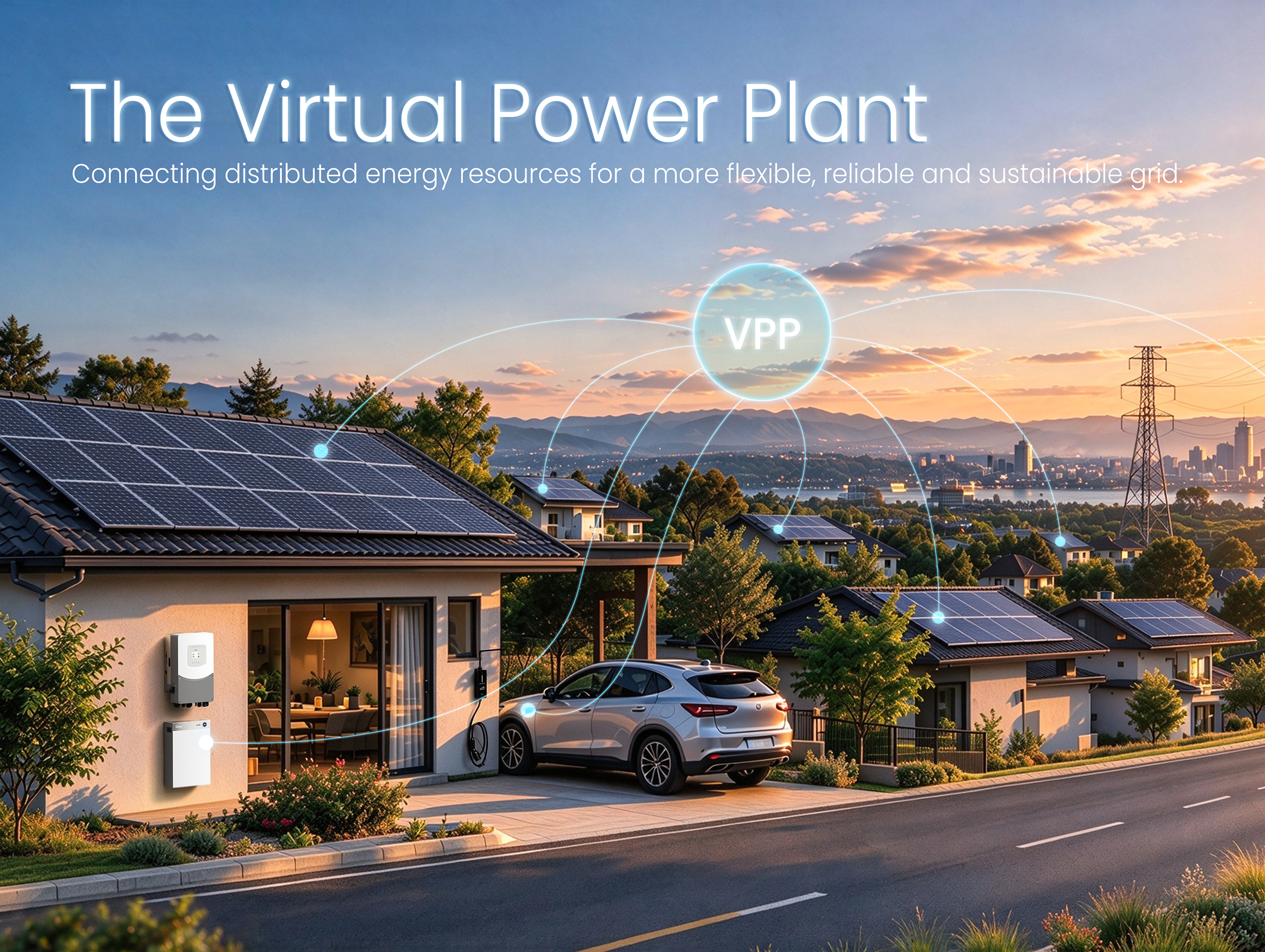 From Centralized Grids to Virtual Power Plants: The Next Evolution of the Power System
For more than a century, power systems around the world have relied on a centralized model. Large p...
-
 GLOBAL EXHIBITION TIMELINE
*Click to view larger image
-
 Deye Secures Multiple TÜV Rheinland Certifications at The smarter E Europe
On June 23, the opening day of The smarter E Europe 2026, Deye was officially awarded several presti...

Copyright@ 2024.Ningbo Deye Inverter Technology Co.,Ltd. All rights reserved. Solar Inverter Manufacturer
