
 Online Shop
 English
 China - 简体中文
 Global - English
 Brazil - Português
 Netherlands - Dutch
 Italy - Italiano
 Germany - Deutsch
 Spain - Español
 France - Français
 Vietnam - Tiếng Việt
 Poland - Polski
 Australia - English
 Japan - 日本語
Bai Shuying — After-Sales Support Supervisor, Solar Inverter Products

Smart Solar-Integrated EV Charging for Homes and Businesses
Electric mobility is changing the way homes, businesses, and energy professionals think about power. An electric vehicle is no longer only a transportation asset; it is also a major electrical load that must be managed intelligently, safely, and economically. The Smart EV Charger from Deye is designed for this new energy environment, where solar generation, hybrid inverters, cloud monitoring, and flexible electricity tariffs work together to reduce charging costs and improve energy self-consumption.
This article introduces the Smart EV Charger as an advanced AC charging solution for residential and light commercial applications. It focuses on the product’s operating logic, safety architecture, solar charging capability, communication advantages, outdoor durability, model options, and integration with modern solar energy systems. It also explains why the charger offers competitive advantages when compared with conventional AC EV chargers, especially in projects where solar power and energy storage are already part of the system design.
Beyond the product itself, the article also highlights the manufacturing and engineering strengths behind it. Ningbo Deye Inverter Technology Co., Ltd. is part of a technology manufacturing group founded in 2000, with extensive experience in power electronics, inverter platforms, energy storage systems, environmental appliances, and energy IoT. Its product ecosystem includes string inverters, hybrid inverters, off-grid inverters, microinverters, energy storage solutions, monitoring platforms, and EV charging products. This broad foundation gives the Smart EV Charger an important advantage: it is not developed as an isolated wallbox, but as part of a complete solar-plus-storage-plus-charging energy platform.
1. The Rise of Solar-Integrated EV Charging
As EV adoption grows, many users are discovering that vehicle charging can become one of the largest electricity demands in a home or small commercial facility. A standard EV charger can quickly draw several kilowatts for many hours. If this demand is not coordinated with solar generation, household loads, storage batteries, and grid tariffs, the result can be higher electricity bills, inefficient use of renewable energy, and increased stress on the electrical infrastructure.
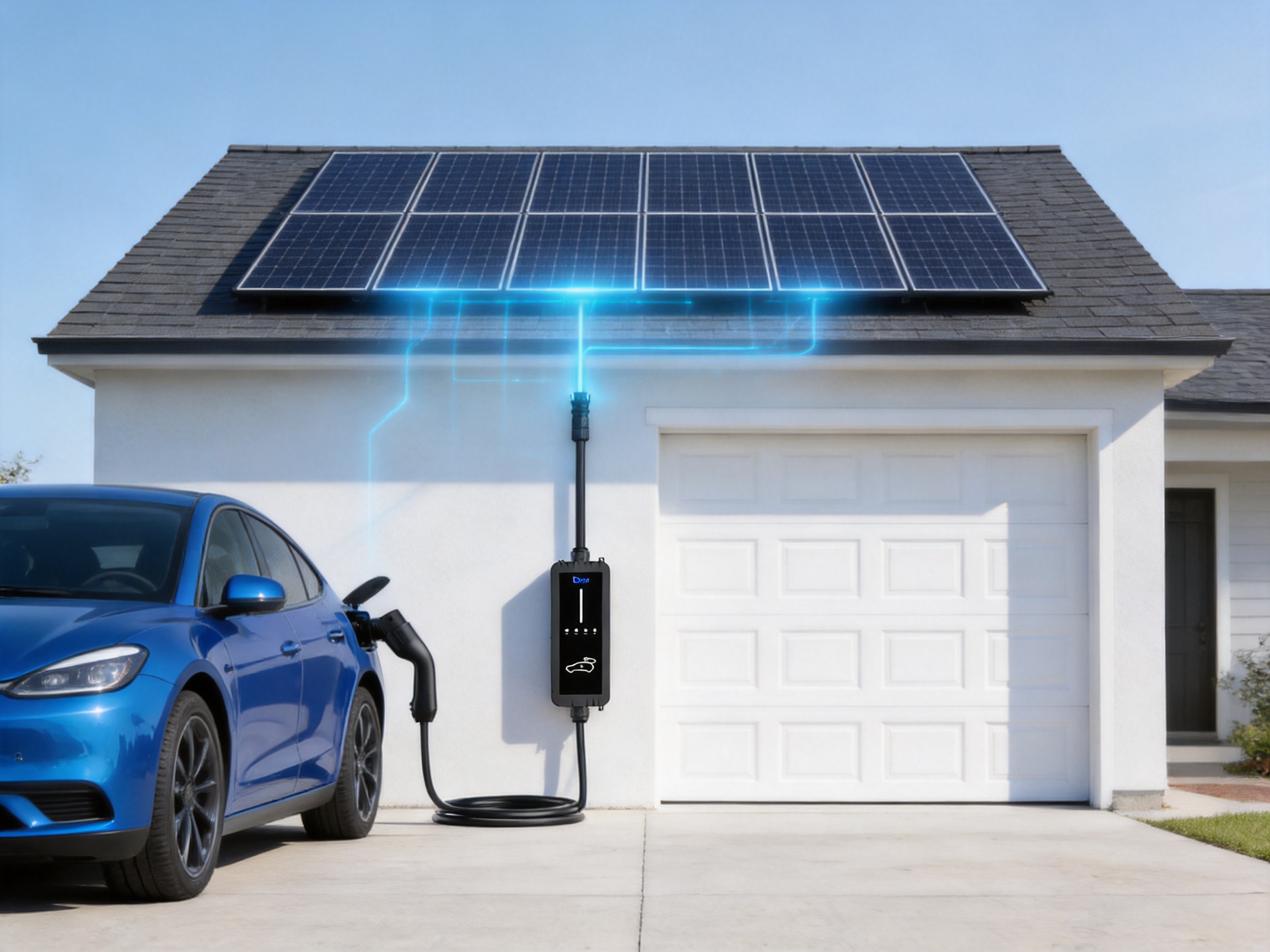
Solar-integrated EV charging solves this problem by aligning vehicle charging with available solar production and intelligent energy management. Instead of charging blindly whenever the vehicle is plugged in, a smart solar charger can follow defined rules. It can charge during low-cost electricity periods, charge based on the state of charge of the system, or prioritize solar energy only when renewable power is available. This is especially useful for users who want to maximize the use of their PV system and minimize energy purchased from the grid.
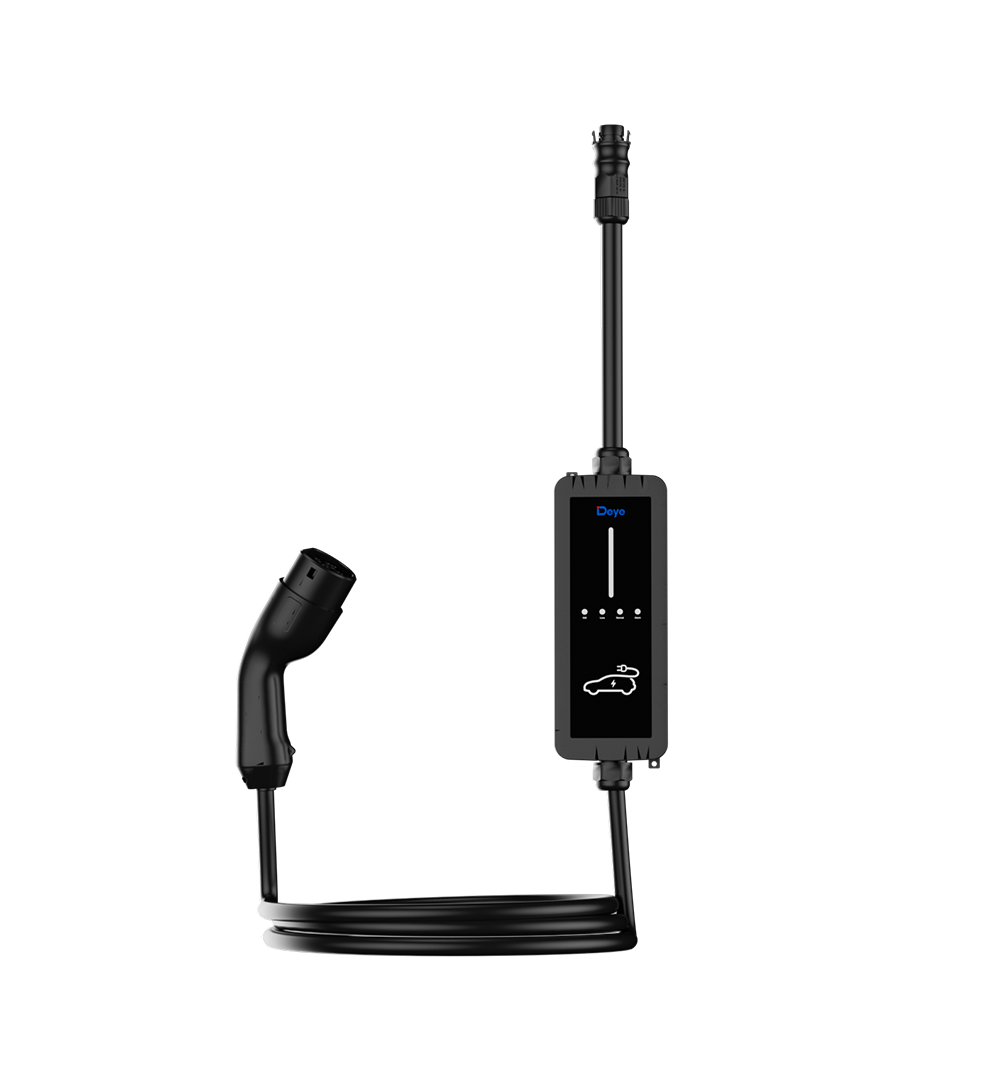
The Deye Smart EV Charger is built around this principle. It can be directly connected to an AC port of a compatible inverter and controlled through LoRa communication. This creates a coordinated relationship between the inverter and the charger. The inverter understands solar generation, load conditions, and system operating status, while the charger adjusts charging behavior according to selected modes and available power. For homeowners, this means more convenient and economical EV charging. For installers and energy solution providers, it means easier system integration and a more complete product offering.
2. Product Overview
The Smart EV Charger is an AC charging solution designed for modern EV owners who want safe, flexible, and intelligent charging. It supports charging modes such as plug-and-charge, scheduled charging, scan-based charging, time-based charging, state-of-charge-based operation, and solar-energy-only operation depending on system configuration. The product supports 7 kW, 11 kW, and 22 kW power applications across single-phase and three-phase installations, making it suitable for a wide range of residential and small commercial electrical environments.
Two main models are presented in the available product information: SUN-EVSE11K01-EU-AC and SUN-EVSE22K01-EU-AC. The 11 kW model is designed for three-phase operation with 230/400 V input and 16 A input current. The 22 kW model supports both single-phase and three-phase configurations, offering 7 kW in single-phase operation and 22 kW in three-phase operation with 32 A input current. This gives users flexibility when selecting a charger according to the power supply conditions at the installation site.
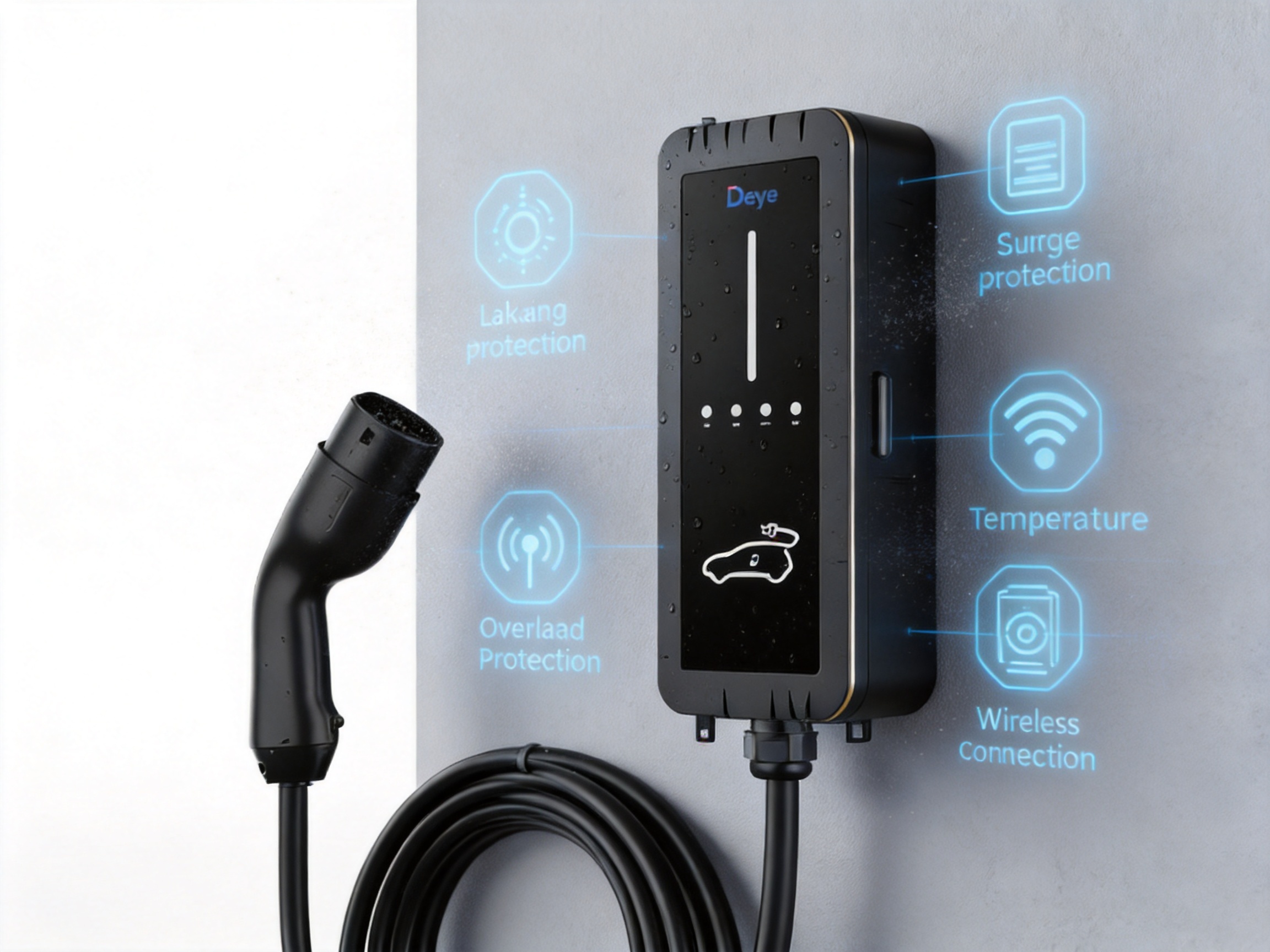
The charger is built for outdoor use with an IP66 ingress protection rating. It includes Type A leakage protection and 6 mA DC fault protection, as well as over-temperature, low-temperature, over-voltage, under-voltage, short-circuit, overload, earth-fault, and surge protection features. These protections are important because EV charging is a high-power activity that must remain stable in different environments and under varying electrical conditions.
Communication options include LoRa, Wi-Fi, and BLE. LoRa communication is particularly valuable in solar-energy systems because it supports long-range communication and low-latency control. This helps the inverter and charger exchange information reliably without depending only on short-range or unstable communication environments. The charger can also be monitored and controlled through Deye Cloud, giving users real-time visibility into charging power and operating status.
3. Key Benefits at a Glance
The Smart EV Charger combines solar energy management, flexible charging control, outdoor durability, and safety protections in one compact system. Its advantages are especially clear when compared with generic AC wallboxes that are designed only to deliver grid power to an EV. While a conventional charger may provide basic charging, it often lacks direct coordination with the solar inverter, real-time energy optimization, solar-only charging logic, and integrated cloud-based system monitoring.
The most important benefits include intelligent charging based on time, state of charge, or solar availability; support for solar-energy-only mode; multi-power charging options including 7 kW, 11 kW, and 22 kW; single-phase and three-phase compatibility; IP66 outdoor protection; low-latency and long-range LoRa communication; offline operation capability; multiple starting methods; and comprehensive electrical protection.
For users with solar PV systems, the solar-only mode is particularly attractive. It allows EV charging to be aligned with solar generation, helping users increase self-consumption and reduce dependence on grid electricity. For users on time-of-use tariffs, scheduled charging allows the EV to charge during off-peak periods, improving cost efficiency. For homeowners who want simplicity, plug-and-charge operation provides an easy experience without complicated daily setup.
For installers, the product reduces system complexity because it works within a broader inverter and monitoring ecosystem. Instead of combining unrelated components from multiple suppliers, installers can design a coordinated energy solution using compatible inverter, storage, monitoring, and charging products. This improves commissioning efficiency and can reduce after-sales troubleshooting.
4. Intelligent Charging Modes
A major advantage of the Smart EV Charger is its flexibility in charging operation. EV users do not all have the same priorities. Some want the fastest possible charging. Others want the lowest electricity cost. Others want to use as much solar power as possible. Many users need a balance of all three. The charger addresses this by supporting several charging modes that can be adapted to different daily routines and energy strategies.
Plug-and-Charge Operation
Plug-and-charge is the simplest mode. The user connects the charging gun to the vehicle, and charging starts according to the system configuration. This is ideal for users who prefer convenience and do not want to adjust settings every day. It also suits workplaces and private parking areas where predictable, straightforward charging is preferred.
Scheduled Charging
Scheduled charging allows the user to set charging periods. This is useful in regions where electricity prices vary by time. If electricity is cheaper at night or during specific tariff windows, the charger can be programmed to operate during those periods. This function helps reduce the total cost of EV ownership without requiring the user to manually start and stop charging.
Charging Based on State of Charge
Charging can also be linked to system state of charge in a solar-plus-storage environment. This can help preserve energy for critical household loads or prioritize battery storage before charging the EV. In practical terms, the system can be configured to ensure that the energy storage system remains within a preferred operating range while still providing charging power to the vehicle when appropriate.
Solar-Energy-Only Mode
Solar-energy-only mode is one of the most important differentiators of the Smart EV Charger. In this mode, the charger supports the objective of using renewable electricity instead of drawing from the grid whenever possible. By coordinating with the inverter through communication, the charger can help maximize the use of solar power. This is valuable for users who installed PV systems to reduce carbon emissions, lower utility bills, and increase energy independence.
Charge After Scanning
The product information also indicates support for charge after scanning. This method can provide additional control for users or operators who want charging access to be managed more deliberately. It can be helpful in shared spaces, controlled residential communities, or small business environments where charging authorization is needed.
5. Solar-Only Charging as a Competitive Advantage
Many EV chargers claim to be smart, but not all smart chargers are truly optimized for solar systems. Some products rely only on basic app scheduling or simple power adjustment. Others require additional meters, gateways, or third-party energy management devices to interact with PV generation. The Deye Smart EV Charger stands out because it is intended to work directly with compatible hybrid inverter systems and communicate through LoRa, enabling more effective coordination within the energy ecosystem.
Solar-only charging can help solve a common problem: exporting solar power at low compensation while later buying electricity from the grid at a higher price to charge the vehicle. With a solar-aware charging strategy, surplus PV electricity can be directed into the EV battery whenever conditions allow. This improves the economic value of the solar system and may shorten the return-on-investment period for the complete energy installation.
For environmentally conscious users, solar-only operation also makes EV ownership more meaningful. An EV charged primarily from fossil-fuel-heavy grid electricity still reduces local emissions, but an EV charged from rooftop solar can dramatically improve the sustainability profile of daily transportation. The charger therefore supports not only financial goals but also environmental goals.
Compared with conventional EV chargers, this solar-first approach provides a more future-ready solution. As electricity prices fluctuate, grid congestion grows, and households add more distributed energy resources, coordinated charging will become increasingly important. The Smart EV Charger is designed for this future rather than for a simple grid-only charging model.
6. Communication Architecture: LoRa, Wi-Fi, and BLE
Communication reliability is essential in a smart charging system. A charger cannot intelligently adjust behavior unless it can receive accurate information and commands. The Smart EV Charger supports LoRa, Wi-Fi, and BLE communication. Each communication method has practical value in different installation and operating scenarios.
LoRa is especially important because it provides long-range communication and low latency. In real-world installations, the inverter and EV charger may not always be located close together. The inverter may be installed in a utility room, garage, plant room, or outdoor technical area, while the charger may be mounted near a parking space. Thick walls, distance, and interference can reduce the reliability of ordinary short-range wireless communication. LoRa helps overcome these challenges by offering a robust communication channel suitable for distributed energy devices.
Wi-Fi provides convenient connectivity for cloud monitoring and user interaction where a stable network is available. BLE can support local communication and setup tasks. Together, these communication methods provide flexible installation options and improve the overall user experience.
The connection to Deye Cloud also gives users real-time power monitoring and control. This matters because EV charging is not a background activity; it is a major energy event. Users benefit from seeing the charging status, understanding power consumption, and adjusting settings when necessary. Real-time monitoring also helps installers and service teams identify issues more efficiently.
7. Safety Protection for High-Power Charging
Safety is one of the most important considerations for any EV charging product. The Smart EV Charger integrates multiple layers of protection to support stable operation. These include Type A leakage protection, 6 mA DC fault protection, over-temperature protection, low-temperature protection, over-voltage protection, under-voltage protection, short-circuit protection, overload protection, earth-fault protection, and Type II surge protection.
Leakage current protection is particularly important in EV charging because the vehicle, charger, and electrical installation must remain safe even if fault conditions occur. The 6 mA DC fault protection helps address DC leakage risks that can affect residual current protection systems. Type A leakage protection further supports safe operation in AC charging environments.
Temperature protection is also critical. EV chargers can operate for long periods under high load. In hot outdoor environments, thermal management becomes essential to preserve reliability and safety. The product supports operation from -40 degrees Celsius to +55 degrees Celsius, which indicates suitability for a wide range of climates. Low-temperature protection also helps maintain safer operation in cold regions.
Voltage and current protections help defend against abnormal grid conditions or wiring faults. Over-voltage, under-voltage, short-circuit, and overload protections are basic requirements for dependable EV charging, but their implementation quality can vary among products. A charger developed by a company with deep inverter and power electronics experience benefits from established knowledge in protection design, component selection, and electrical safety validation.
The IP66 rating further strengthens safety and durability. Outdoor chargers must resist dust, rain, and challenging weather. A charger installed in a driveway, parking area, or exterior wall location may face moisture, wind-driven rain, dust, and temperature variation. IP66 protection makes the product suitable for demanding outdoor environments and gives users confidence that the enclosure is designed for real-world conditions.
8. Multi-Power and Phase Flexibility
Different markets and buildings have different electrical supply conditions. Some homes have single-phase power, while others have three-phase power. Some users need moderate charging power, while others want faster charging. The Smart EV Charger addresses this by supporting 7 kW, 11 kW, and 22 kW charging options depending on model and phase configuration.
The 11 kW model is suitable for three-phase installations using 16 A input current. It provides a strong balance between charging speed and electrical load. The 22 kW model is more flexible, supporting 7 kW single-phase charging or 22 kW three-phase charging with 32 A input current. This enables installers to select one product platform for different site requirements.
Phase flexibility gives the product an advantage over chargers that are locked into a narrow operating configuration. It simplifies product selection for distributors and installers and helps future-proof installations. For example, a site may initially use single-phase supply but later upgrade to three-phase supply. A charger platform that supports multiple power levels is more adaptable to changing infrastructure.
Power flexibility also supports different user behaviors. A commuter who drives short distances may not need 22 kW charging every day. A business fleet or high-mileage user may value faster three-phase charging. By offering multiple power options, the charger can serve a broader market without sacrificing the smart energy features that define the product.
9. Technical Specification Summary
| Item | SUN-EVSE11K01-EU-AC | SUN-EVSE22K01-EU-AC |
| Input Voltage Range | 230/400 V | 230 V single phase; 230/400 V three phase |
| Connection Mode | 3L + N + PE | L + N + PE; 3L + N + PE |
| Input Current | 16 A | 32 A |
| Input Frequency Range | 50 Hz, 45-55 Hz; 60 Hz, 55-65 Hz | 50 Hz, 45-55 Hz; 60 Hz, 55-65 Hz |
| Maximum Output Power | 11 kW | 7 kW single phase; 22 kW three phase |
| Starting Methods | Plug and Charge; Charge after Scanning; Scheduled Charging | Plug and Charge; Charge after Scanning; Scheduled Charging |
| Leakage Current Protection | DC 6 mA | DC 6 mA |
| Surge Protection Level | Type II | Type II |
| Operating Temperature | -40 degrees Celsius to +55 degrees Celsius | -40 degrees Celsius to +55 degrees Celsius |
| Ingress Protection Rating | IP66 | IP66 |
| Cabinet Size | 104 x 264 x 57.5 mm | 104 x 264 x 57.5 mm |
| Weight | 3.7 kg | 3.7 kg |
| Gun Cable Length | 4.2 m | 4.2 m |
| Number of Charging Guns | 1 | 1 |
| MTBF | 100,000 hours | 100,000 hours |
| Communication Mode | LoRa, Wi-Fi, BLE | LoRa, Wi-Fi, BLE |
The specification profile shows a compact, outdoor-rated, communication-enabled charger that supports practical installation requirements. The 4.2 m gun cable offers convenient reach for typical parking spaces, while the single charging gun design keeps the product focused and easy to operate. The 100,000-hour mean time between failures indicates an emphasis on long-term reliability.
10. Advantages Over Conventional Competitors
The EV charger market includes many basic wall-mounted AC chargers. Some are reliable for simple grid charging, but many are limited when integrated energy management is required. The Smart EV Charger offers several competitive advantages that become especially important in solar PV and energy storage applications.
Integrated Solar Energy Logic
The first major advantage is direct support for solar-energy-only charging. Many competing chargers require external energy meters, third-party controllers, or complex integration work to approximate solar charging. The Smart EV Charger is designed to work as part of an inverter-led energy ecosystem, allowing users to maximize solar energy utilization more naturally.
LoRa-Based Control
The second advantage is LoRa communication. Generic Wi-Fi-only chargers may suffer from weak signal quality in garages, exterior walls, or detached parking areas. LoRa provides longer-range communication and helps maintain low-latency control between the inverter and charger. This is a strong advantage for practical installations where device locations are not always ideal.
Multi-Mode Charging
The third advantage is charging flexibility. Plug-and-charge, scheduled charging, scan-based charging, time-based control, state-of-charge-based charging, and solar-only operation give users more ways to optimize charging behavior. A charger with only manual start or simple scheduling cannot provide the same level of energy strategy.
Outdoor Durability
The fourth advantage is IP66 outdoor protection. Some chargers are suitable only for sheltered environments or require additional protective installation measures. An IP66-rated enclosure gives greater confidence for outdoor deployment in residential and commercial parking applications.
Comprehensive Safety Features
The fifth advantage is protection coverage. The charger includes DC 6 mA leakage current protection, Type A leakage protection, Type II surge protection, and multiple temperature, voltage, current, and earth-fault protections. These protections are essential for safe operation and reflect the product’s power electronics foundation.
Ecosystem Compatibility
The sixth advantage is ecosystem value. Because the charger is part of a broader solar inverter, ESS, and monitoring product family, it can be used in integrated PV-BESS-EV charging solutions. This improves project design consistency and may reduce compatibility challenges compared with combining unrelated products from different manufacturers.
11. Manufacturing Strengths Behind the Product
The quality of an EV charger depends not only on its visible features but also on the engineering and manufacturing capabilities behind it. Ningbo Deye Inverter Technology Co., Ltd. benefits from more than two decades of technology manufacturing experience through its broader group background. Since its founding in 2000, the company has developed capabilities in research and development, design, production, sales, and service. Its listing on the Shanghai Stock Exchange in April 2021 marked a new stage of growth and strengthened its position in the renewable energy and power electronics industries.
The company’s core inverter product range includes string inverters, energy storage inverters, and microinverters. It also provides residential all-in-one energy storage solutions, commercial and industrial battery cabinets, modular ESS solutions, utility-scale liquid-cooled ESS, and integrated PV-BESS-EV charging solutions. This broad product base is important because it means the Smart EV Charger is supported by mature knowledge in energy conversion, grid interaction, device communication, thermal management, safety compliance, and system-level control.
Advanced manufacturing in this context involves more than assembly. It includes product architecture design, component selection, circuit protection design, enclosure engineering, firmware development, testing procedures, quality control, and service support. For a charger that must operate outdoors, communicate with inverters, and handle high electrical loads, every stage matters.
The company’s scale advantages also contribute to product reliability and availability. Products are sold in more than 140 countries and regions, which means the organization must understand diverse grid conditions, safety expectations, installation practices, and user requirements. International market exposure helps strengthen product design and after-sales systems because equipment must perform in many climates and electrical environments.
12. Engineering Experience from Inverters and ESS
Power electronics expertise is one of the most important foundations for a high-quality EV charger. Inverters and EV chargers both require precise control of electrical energy, robust protection mechanisms, communication capability, thermal design, and compliance with electrical standards. A company experienced in inverter manufacturing can apply this knowledge to EV charging in a meaningful way.
Deye’s inverter portfolio includes 1 kW to 136 kW string inverters, 3 kW to 80 kW energy storage inverters, and 300 W to 2.2 kW microinverters. This wide range demonstrates experience across residential, commercial, industrial, and utility applications. Such experience helps the Smart EV Charger in several areas. It supports better understanding of grid voltage and frequency variations, improves protection design, enables coordinated control with hybrid inverters, and strengthens monitoring integration through cloud platforms.
Energy storage experience is also relevant. In solar-plus-storage systems, EV charging must often be coordinated with battery charging and discharging. Poorly coordinated systems can drain storage batteries unexpectedly or increase grid imports during expensive tariff periods. A charger developed within an ESS ecosystem can better support integrated energy strategies, allowing users to balance comfort, mobility, cost, and energy independence.
13. Quality Control and Reliability Considerations
Reliability is not achieved by specification alone. It depends on disciplined engineering and manufacturing processes. A charger expected to operate outdoors for many years must be designed to resist moisture, dust, temperature changes, electrical stress, and repeated use. The Smart EV Charger’s IP66 rating, broad operating temperature range, Type II surge protection, and 100,000-hour MTBF all point to reliability-oriented design.
High-quality manufacturing typically includes incoming material inspection, printed circuit board quality checks, assembly process control, electrical safety testing, firmware verification, environmental testing, communication validation, and final product inspection. For an EV charger, the charging gun, cable, enclosure, connectors, protection circuits, and communication module must all meet strict quality expectations.
Manufacturing strength also affects consistency. A charger may look acceptable as a sample, but large-scale production requires repeatable quality across thousands of units. Companies with established production systems and global distribution experience are better positioned to maintain consistent quality, manage supply chains, and provide documentation and service support.
The Smart EV Charger’s compliance references include EV charging, radio communication, electromagnetic compatibility, and safety-related standards. Compliance with such standards is important for market access and user confidence. It also reflects a structured approach to product development and validation.
14. User Experience and Cloud Monitoring
The best EV charger is not only safe and powerful; it must also be easy to use. The Smart EV Charger supports real-time power monitoring and control through Deye Cloud. This gives users visibility into charging status and energy use. For many EV owners, charging power can feel abstract. Cloud monitoring makes the process more transparent and helps users understand when and how energy is being consumed.
Monitoring is especially useful when the charger operates with solar energy. Users can see how charging aligns with renewable production and adjust habits accordingly. For example, a user may choose to plug in the vehicle during midday when solar generation is high. With real-time monitoring, the relationship between solar production and EV charging becomes easier to manage.
Installers also benefit from cloud-connected systems. When a user reports a charging issue, remote monitoring can help identify whether the problem relates to grid supply, charger status, communication, inverter settings, or vehicle-side conditions. This can reduce service time and improve customer satisfaction.
Offline operation is another practical advantage. While cloud functions are useful, essential charging should not depend entirely on continuous internet access. The charger’s offline operation capability helps maintain usability even when network conditions are imperfect. This is important in garages, rural homes, and commercial sites where Wi-Fi coverage may not always be stable.
15. Installation Scenarios
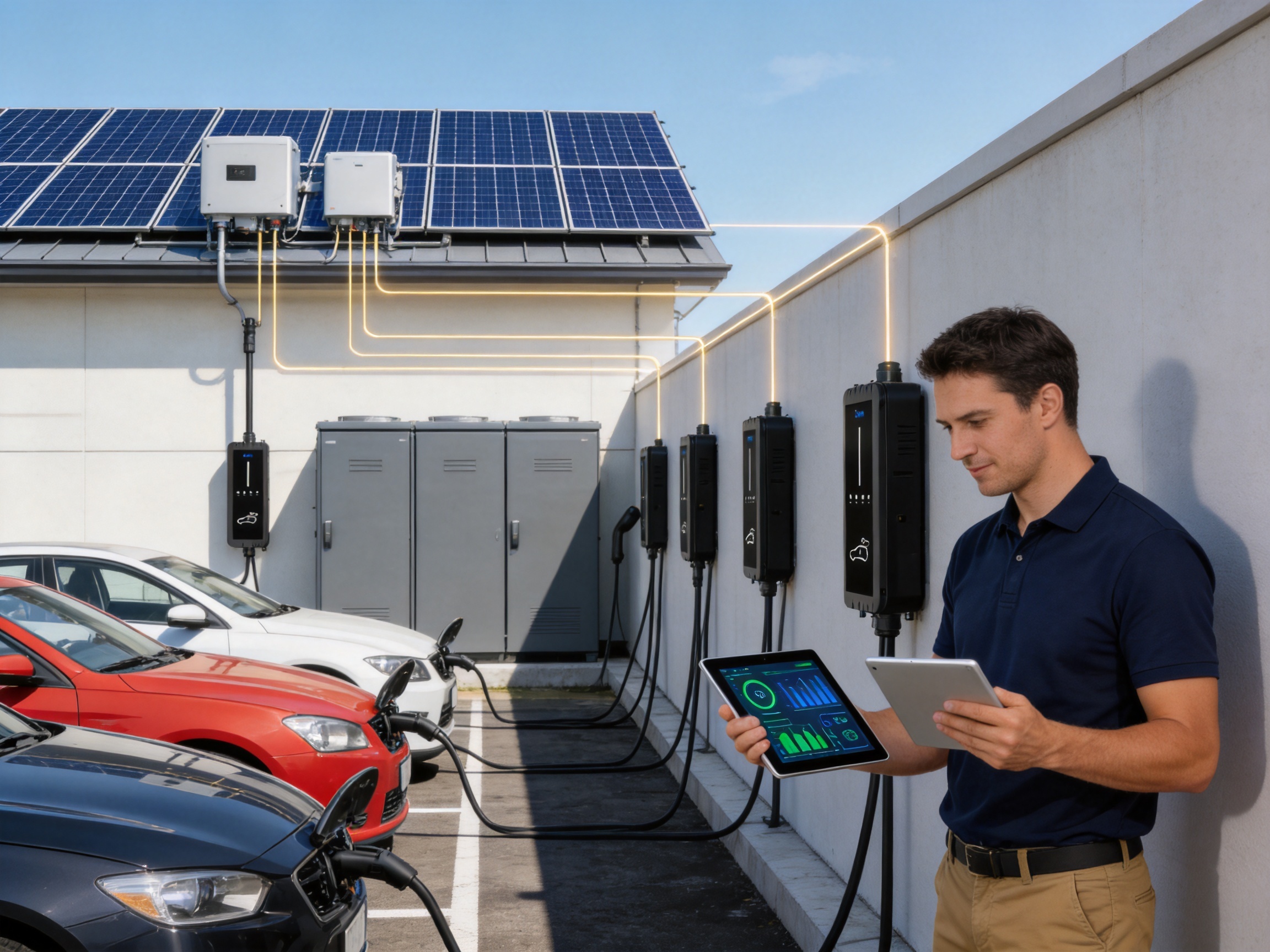
The Smart EV Charger can serve several common scenarios. In a residential solar home, it allows the homeowner to charge an EV using surplus PV generation whenever possible. In a home with a hybrid inverter and battery storage, it becomes part of a coordinated energy system that can balance solar power, battery capacity, household loads, and vehicle charging.
In a small business, the charger can support employees, customers, or company vehicles. Scheduled charging may help businesses use off-peak electricity, while solar integration can increase the value of rooftop PV. In a commercial facility with multiple energy assets, a solar-aware charger can reduce peak grid demand and improve the site’s sustainability profile.
In residential communities or private parking areas, scan-based charging can provide an added layer of control. This may be useful where charging access needs to be managed. The compact cabinet size and IP66 outdoor protection make the product easier to deploy in different parking layouts.
The 11 kW and 22 kW options also allow project designers to select suitable charging speed. A 7 kW single-phase configuration can be sufficient for overnight residential charging. An 11 kW three-phase configuration provides faster daily replenishment. A 22 kW three-phase configuration is valuable when higher charging speed is required and the vehicle and electrical supply can support it.
16. Economic Value for EV Owners
The economic value of an EV charger is not determined only by purchase price. It depends on energy cost, charging efficiency, installation compatibility, reliability, maintenance needs, and the ability to use low-cost or self-generated electricity. The Smart EV Charger supports economic value in several ways.
First, scheduled charging allows users to take advantage of low-cost electricity periods. In markets with time-of-use tariffs, this can significantly reduce charging costs over the life of the vehicle. Second, solar-energy-only operation helps users consume more of their own solar production. This is valuable where exported solar power is compensated at a lower rate than imported electricity. Third, integration with a compatible inverter can reduce the need for complex third-party control devices, potentially simplifying system design.
Reliability also has economic value. A charger that operates consistently with minimal service interruption saves time and avoids inconvenience. Outdoor durability reduces the need for protective accessories or premature replacement. Comprehensive protection features reduce risk to equipment and electrical systems.
For businesses, intelligent EV charging can support sustainability reporting, customer service, employee benefits, and fleet electrification. A company that already uses solar energy can extend that investment into transportation, strengthening its renewable energy strategy.
17. Environmental Benefits
The environmental promise of electric vehicles is strongest when charging energy comes from renewable sources. The Smart EV Charger supports this by helping users prioritize solar power. When an EV is charged during solar generation hours, the household or business can reduce reliance on grid electricity and lower the carbon intensity of transportation.
Solar-only charging also encourages better alignment between energy production and consumption. Instead of exporting solar power during the day and importing electricity later, users can shift EV charging into solar-rich periods. This reduces grid stress and improves the value of distributed renewable energy.
At a broader level, products like this support the transition from simple electrification to intelligent electrification. The future energy system will include PV arrays, batteries, heat pumps, EVs, smart appliances, and grid-interactive controls. A solar-integrated EV charger is an important building block in that future because it turns transportation charging into a managed, renewable-friendly load.
18. Why System Integration Matters
One of the most important trends in renewable energy is the shift from individual products to complete systems. A solar inverter alone can generate electricity, a battery alone can store electricity, and an EV charger alone can charge a vehicle. But the greatest value comes when these devices communicate and operate together.
The Smart EV Charger is designed for this system-based approach. It can be directly connected to an AC port of a compatible inverter and controlled by the inverter through LoRa communication. This relationship helps create an intelligent energy flow. The inverter can coordinate power generation and system status, while the charger can respond with appropriate charging behavior.
This is a clear advantage over fragmented systems. When products from unrelated suppliers are combined without deep integration, users may need multiple apps, additional meters, separate gateways, and manual configuration. Troubleshooting can also become more difficult because each supplier may only support its own device. A unified ecosystem improves compatibility, monitoring, and service efficiency.
19. Practical Design Details
The product’s compact size of 104 x 264 x 57.5 mm supports clean wall mounting. At approximately 3.7 kg, the charger is manageable for installation while still offering the durability required for outdoor use. The 4.2 m charging cable provides useful reach without excessive cable length. A single charging gun keeps operation simple and focused.
The low noise level of no more than 25 dB is also valuable in residential settings. EV chargers are often installed near homes, garages, or occupied spaces. Quiet operation contributes to user comfort. The permissible humidity range of 5 percent to 95 percent without condensation and operating altitude below 3000 m further define suitable installation environments.
The operating temperature range from -40 degrees Celsius to +55 degrees Celsius is particularly impressive for outdoor equipment. It means the charger can be considered for cold winter regions and hot summer environments. Combined with IP66 protection, this supports dependable performance in many climates.
20. Role in PV-BESS-EV Charging Solutions
The Smart EV Charger is especially meaningful in PV-BESS-EV charging solutions. PV generates renewable electricity, BESS stores excess energy and improves flexibility, and EV charging turns clean power into mobility. When these elements are coordinated, the site can reduce grid dependence, improve energy resilience, and use renewable energy more effectively.
In such a system, the charger should not simply draw maximum power whenever a vehicle is connected. It should respond to solar availability, storage battery status, household or site load, and user preferences. The Smart EV Charger’s support for solar-only charging, scheduled charging, cloud monitoring, and inverter communication makes it a strong fit for this application.
For residential users, this may mean driving on solar energy generated from their own roof. For businesses, it may mean using daytime solar power to charge company vehicles or visitor EVs. For installers, it means offering a more complete solution that addresses modern customer needs rather than selling separate pieces of equipment.
21. Frequently Asked Questions
Q1: What is the main purpose of the Smart EV Charger?
The main purpose is to provide safe, intelligent AC charging for electric vehicles while supporting integration with solar inverter systems. It helps users charge conveniently, schedule charging for lower electricity costs, and prioritize solar energy where possible.
Q2: Can the charger use solar energy only?
Yes. The charger supports solar-energy-only operation when configured within a compatible system. This helps users maximize the use of solar power and reduce electricity purchased from the grid.
Q3: What power levels are supported?
The product platform supports 7 kW, 11 kW, and 22 kW charging depending on the model and electrical phase configuration. The 22 kW model can provide 7 kW in single-phase operation or 22 kW in three-phase operation.
Q4: Is the charger suitable for outdoor installation?
Yes. The charger has an IP66 ingress protection rating, making it suitable for outdoor use in many residential and commercial environments. It also supports an operating temperature range from -40 degrees Celsius to +55 degrees Celsius.
Q5: What communication methods does the charger use?
The charger supports LoRa, Wi-Fi, and BLE communication. LoRa is valuable for long-range, low-latency communication between the inverter and charger, while Wi-Fi and BLE support connectivity and local interaction.
Q6: What safety protections are included?
The charger includes Type A leakage protection, DC 6 mA fault protection, over-temperature protection, low-temperature protection, over-voltage protection, under-voltage protection, short-circuit protection, overload protection, earth-fault protection, and Type II surge protection.
Q7: How does it compare with ordinary EV chargers?
Compared with ordinary AC chargers, it offers stronger solar integration, inverter communication, solar-only charging, multiple charging modes, cloud monitoring, outdoor durability, and comprehensive safety protection. These features make it more suitable for modern energy systems.
Q8: Can it operate without internet access?
Yes. The product information indicates support for offline operation. Cloud monitoring is useful, but essential charging functions can remain available even when network conditions are limited.
Q9: Who is the charger best suited for?
It is well suited for homeowners with solar PV systems, users with hybrid inverter and battery storage systems, small businesses, private parking spaces, and energy professionals designing integrated PV-BESS-EV charging solutions.
Q10: Why is manufacturing background important for an EV charger?
EV charging requires reliable power electronics, safety protection, communication, thermal design, and compliance testing. A manufacturer with strong inverter and energy storage experience can apply that expertise to create a more integrated and dependable charging product.
22. Conclusion
The Smart EV Charger represents a practical step forward in electric vehicle charging. It is not merely a wall-mounted power outlet for an EV; it is an intelligent energy device designed to work with solar generation, inverter control, cloud monitoring, and flexible charging strategies. Its support for solar-energy-only operation, scheduled charging, plug-and-charge convenience, multi-power capability, single-phase and three-phase configurations, LoRa communication, IP66 outdoor protection, and comprehensive safety features makes it a compelling solution for modern homes and businesses.
Its competitive advantage becomes most obvious in solar-integrated applications. While conventional chargers may be adequate for basic grid charging, they often fail to optimize renewable energy use. This charger is designed to help users maximize solar power, reduce electricity bills, and improve the value of PV and ESS investments. For installers and energy solution providers, it also supports a more unified and serviceable system architecture.
The manufacturing and engineering strengths behind the product further enhance its value. Backed by a company with extensive experience in inverters, ESS, energy IoT, and global renewable energy markets, the Smart EV Charger benefits from mature power electronics knowledge and system-level design thinking. As EV adoption and solar deployment continue to grow, such integrated charging solutions will become increasingly important.
For users seeking a charger that is safe, durable, intelligent, and ready for the solar energy future, the Smart EV Charger offers a strong and forward-looking choice.
References
1. International Electrotechnical Commission. IEC 61851-1: Electric Vehicle Conductive Charging System, General Requirements.
2. European Committee for Electrotechnical Standardization. EN IEC 61851-1:2019, Electric Vehicle Conductive Charging System.
3. International Electrotechnical Commission. IEC 61000 Series, Electromagnetic Compatibility Standards.
4. European Telecommunications Standards Institute. EN 300 220 and EN 300 328 Radio Equipment Standards.
5. International Energy Agency. Global EV Outlook, recent editions on electric vehicle adoption and charging infrastructure.
6. International Renewable Energy Agency. Renewable Energy and Smart Electrification Reports.
7. Product technical materials for SUN-EVSE11K01-EU-AC and SUN-EVSE22K01-EU-AC Smart EV Charger.
Product: Smart EV Charger
PREV:High-Capacity Three-Phase Low-Voltage Hybrid Inverter for Scalable Solar Storage
NEXT:No next article
Share
Product recommendations
news recommendations
-
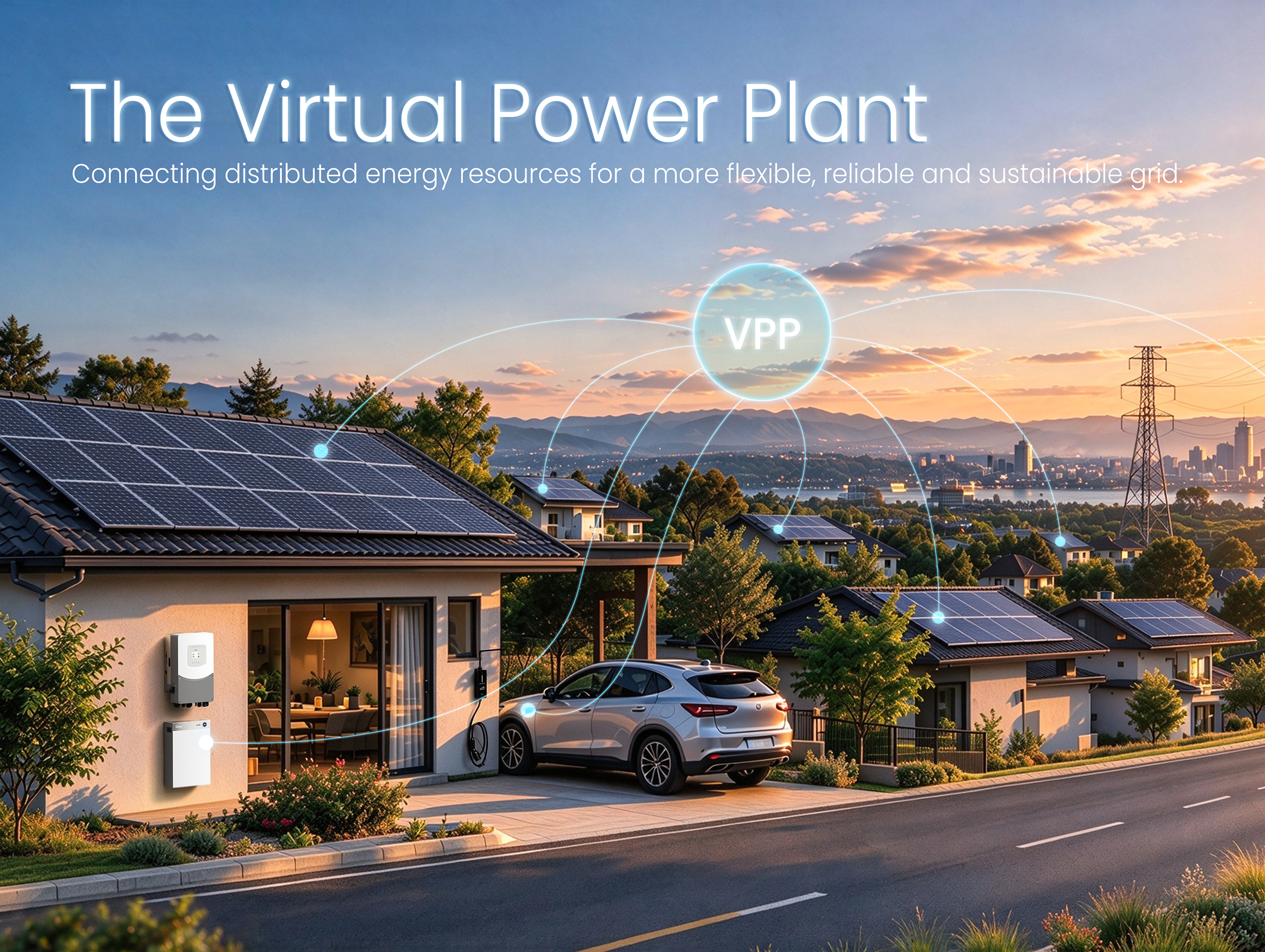 From Centralized Grids to Virtual Power Plants: The Next Evolution of the Power System
For more than a century, power systems around the world have relied on a centralized model. Large p...
-
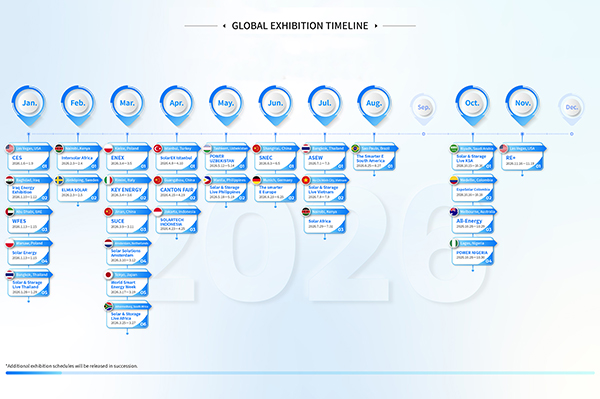 GLOBAL EXHIBITION TIMELINE
*Click to view larger image
-
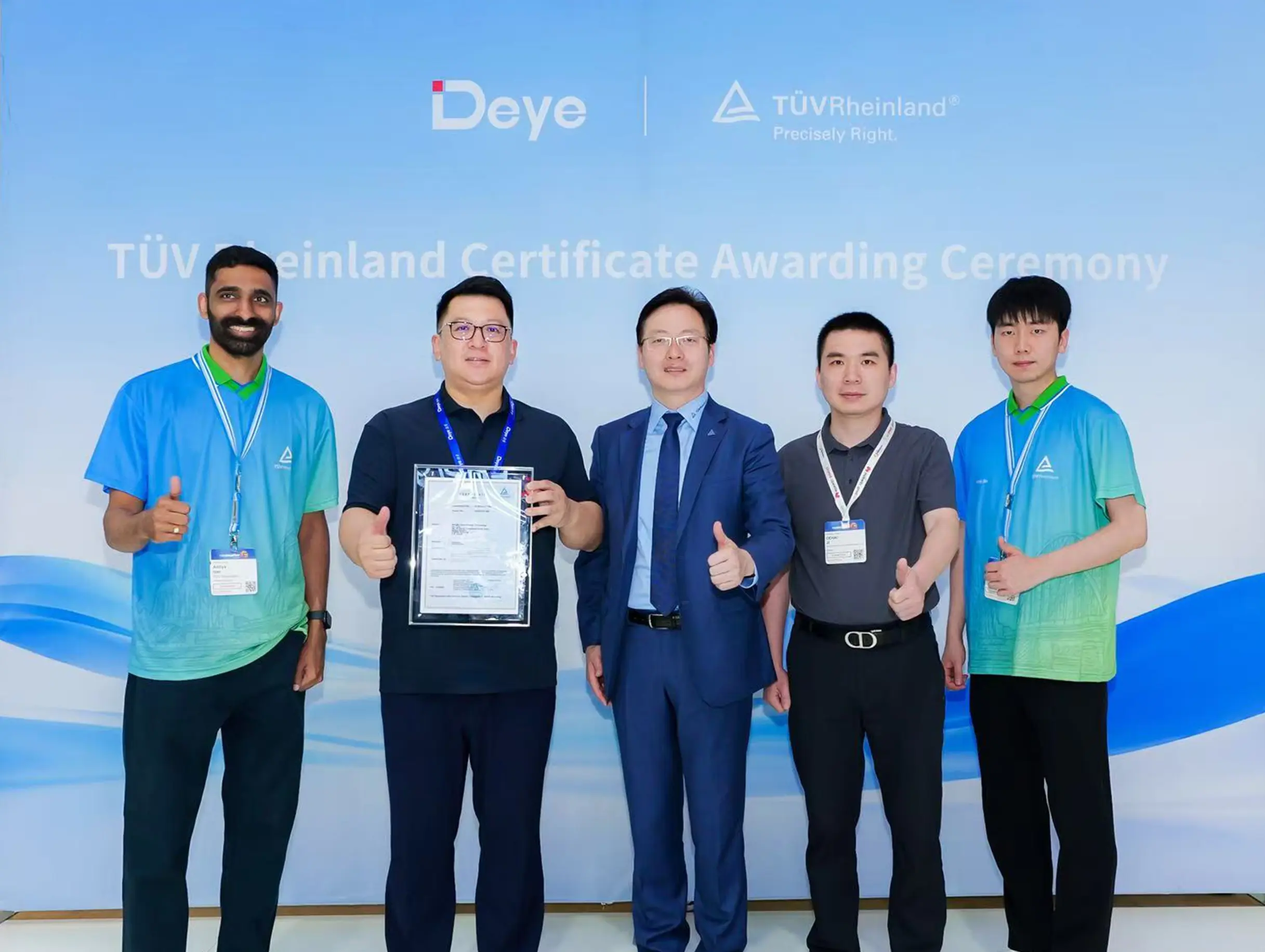 Deye Secures Multiple TÜV Rheinland Certifications at The smarter E Europe
On June 23, the opening day of The smarter E Europe 2026, Deye was officially awarded several presti...

Copyright@ 2024.Ningbo Deye Inverter Technology Co.,Ltd. All rights reserved. Solar Inverter Manufacturer
